
Modern Home Updates That Suit London Living
Updating a London home requires a very specific mix of energy efficiency upgrades, bespoke space saving furniture, smart home integration and careful preservation of original features. You have to balance the historic charm of Victorian terraces or period flats with the actual demands of modern living. That is the short answer for anyone who just wants the facts before starting a renovation project.
Living in the capital is brilliant but the houses can be hard work. A lot of us are living in properties that were built over a century ago. They look fantastic from the outside but they weren’t exactly designed for how we live right now.
I have spent a lot of time looking at floor plans and crumbling cornices. It takes patience to get these updates right.
Tackling the energy efficiency problem
The truth is that London properties leak heat like a sieve. Around 40 percent of the housing stock consists of period properties built before 1919. They often lack basic insulation and have draughty windows that make winters pretty miserable. I remember sitting in my first rented flat in Balham wearing a coat indoors because the sash windows rattled in the wind.
Upgrading to double or triple glazing is usually the first step I recommend. The Energy Saving Trust points out that triple glazing in sash windows retains 75 percent more heat than single panes. It makes a massive difference to your EPC rating. And honestly it just makes the house feel like a home rather than a fridge.
A rated boilers are another big one.
Replacing an old boiler can cut gas bills by up to 20 percent annually. I know heat pumps are getting popular but the upfront cost of ten to fifteen thousand pounds is hard to stomach for most people. Still they are an option if you want to completely future proof the property. You just have to weigh the initial outlay against the long term savings.
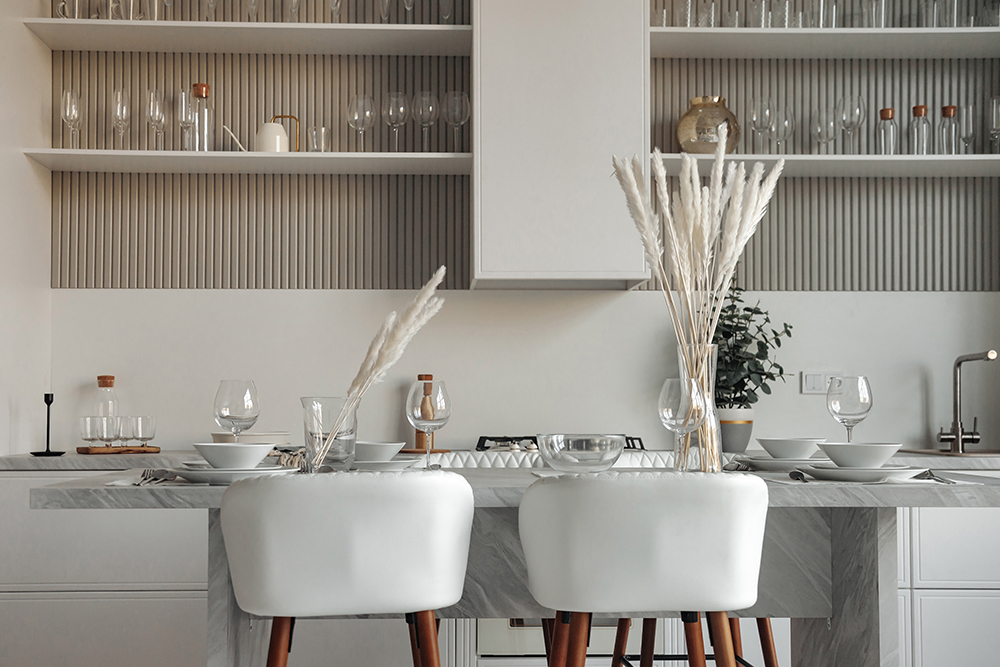
Modern Home Updates for London Living – Making the most of small spaces
Space is the ultimate luxury in this city. A lot of flats in places like Islington or Camden are under 700 square feet. You really have to think creatively about storage because clutter builds up incredibly fast.
Bespoke joinery is expensive but it can increase your usable floor space by up to 25 percent. I was helping a mate renovate his place in Hackney a few years back. He insisted on buying off the shelf wardrobes and they just looked awful. The gaps at the top gathered dust and the room felt cramped. He eventually ripped them out and paid for custom fitted units. The difference is night and day.
Acoustic zoning is becoming huge right now. People are using sliding partitions to seperate open plan living areas. It helps block out the constant noise of the city while keeping the layout flexible. You can open it all up when friends come over and close it off when you need to work from home.
Multifunctional furniture is also a lifesaver. A good Murphy bed or a fold out dining table can transform a tiny studio into a very livable space.
Protecting those old plaster walls
Victorian and Edwardian homes have beautiful original features. Cornicing and high ceilings give these properties their character. People always say “don’t touch the plaster” but sometimes you just want to hang a ‘normal’ picture. Decorating them is an absolute NIGHTMARE.
If you rent a leasehold flat you probably have strict rules about drilling into the walls. Even if you own the place repairing delicate lath and plaster can cost thousands of pounds per room. You really do not want to go hammering nails everywhere. One wrong hit and half the wall crumbles onto the skirting board.
This is where clever hanging solutions come in. Getting a professional picture rails London setup installed is completely transformative. These discreet rail systems let you hang art and mirrors without damaging the walls. You can swap out your gallery wall whenever you feel like it. No dust. No drilling. No angry landlords.
I think preserving the original plasterwork is one of the most important things you can do during a renovation. It respects the history of the building while still letting you add your own personality to the rooms.
Bringing smart tech into old buildings
Smart home technology sounds very futuristic but it fits perfectly into older properties. Around 35 percent of households in the capital have adopted some form of smart tech. It is not just about showing off to your mates anymore.
I think the best upgrades are the invisible ones. Automated heating controls like Nest thermostats save people around 150 pounds a year. They learn your routine and adjust the temperature so you never heat an empty house. Video doorbells enhance security in high density boroughs and they are incredibly easy to install.
The tricky part is the wiring. Listed buildings have strict rules about altering the fabric of the property. Wireless systems are definetely the way to go here. They accomodate modern needs without ripping up floorboards or chasing cables into historic brickwork.
You can even get smart lighting that mimics natural daylight. It is a brilliant feature for basement flats that don’t get much sun.
Dealing with conservation rules
Renovating in a conservation area tests your patience. Local councils are fiercely protective of streetscapes and historic details. You can’t just slap a modern extension onto a Victorian terrace and hope nobody notices.
You should always seek pre application advice before starting any major exterior work. Historic England has very clear guidelines on what is acceptable. Sympathetic materials are key. If you are replacing windows they usually need to be timber framed sash rather than cheap uPVC.
Is it frustrating?
Absolutely. The paperwork alone can take months to sort out. But these rules exist for a reason. They stop our streets from turning into a mess of mismatched plastic extensions. Maintaining the original architectural character actually protects your investment in the long run.
Adding a touch of nature
London is crowded and polluted. Finding ways to bring a bit of greenery into your home makes a huge difference to your mental health. We all need a break from the concrete sometimes.
Biophilic design is gaining a lot of traction right now. People are incorporating living walls into balcony extensions or courtyard gardens. It improves air quality and creates a quiet retreat from the noise outside. I have seen some stunning setups in tiny Chelsea courtyards that make you feel like you are in the countryside.
Even simple things help a lot. Using reclaimed timber for flooring or shelving adds warmth and texture. It feels much more authentic than pristine factory finished materials. Plants are also brought indoors more frequently now.
It is amazing how a few well placed ferns can soften a harsh modern kitchen.
Getting a good return on investment
Most of us want a nice place to live but we also keep one eye on the property value. Smart renovations usually pay off. The housing market here is competitive so any edge you can get is worth taking.
According to Rightmove data things like energy efficient boilers & smart security systems can boost property values by 3 to 5 percent. A full sympathetic restoration often yields a 10 to 15 percent uplift. Buyers love period features that actually work properly.
You just have to be careful not to overcapitalise. Spending fifty thousand pounds on a luxury kitchen in a small one bedroom flat probably will not give you a full return. It is all about balance. Know your ceiling price for the street and plan your budget around that.
Sometimes the simplest updates bring the biggest rewards.
The Bottom Line
Updating a London property is a constant balancing act between preserving history and embracing convenience. It can be stressful and expensive but it is also incredibly rewarding to breathe new life into an old building.
You have to respect the bones of the building. But you also deserve a home that is warm & functional & secure. You shouldn’t have to freeze in winter just because your house was built in 1890.
Take it one step at a time. Fix the draughts first. Sort out your storage. Protect those fragile walls. The results are always worth the effort when you finally get to sit down with a cup of tea and enjoy the space you have created.
Read more articles about London life here.