7 Engineering Trends Shaking Up 2026
7 Engineering Trends Shaking Up 2026: A lot of things are changing for the engineer in the near future. New technologies regarding digitalisation, automation, sustainability and production and manufacturing are arriving and therefore new ways of designing, manufacturing and operating products and constructions. And also ways of maintaining them. There will be big changes for this professional in the years to come.
The engineering world is currently experiencing one of the biggest revolutions in recent history thanks to the rapid changes in digital technology, automation, sustainable construction and manufacturing. Most of the current engineering methods and tools will be replaced by new ones allowing engineers to design, build and operate products and buildings more efficiently, more accurately and in a more environmentally friendly way to the environment.
1. AI-Powered Engineering Design
AI is becoming increasingly popular and is being utilised in many different areas of the engineering process. Rather than replacing the engineer, the engineer will work smarter, utilising the technology to analyse large amounts of data and to identify design improvements. In addition, AI can reduce the engineers time to develop a product or design in order to bring it to market more quickly.
Engineers can now use AI-assisted software to:
- Optimise component designs
- Predict potential failures
- Improve manufacturing efficiency
- Accelerate product development
As AI capabilities continue to improve, its role in engineering decision-making is expected to expand significantly.
2. Smart Manufacturing and Industry 4.0
Connected factories are becoming the new standard across many industries.
The Rise of Intelligent Production
Smart manufacturing technologies are used in Industry 4.0 production environments. Such environments combine sensors, cloud, automation, and data analysis. This combination is also driving the adoption of advanced industrial automation, helping manufacturers streamline production and improve operational efficiency. They run production processes on an intelligent and digital basis. Machines and production equipment communicate with each other. They can be monitored and faults can be rectified before they cause any stoppages.
This leads to:
- Reduced downtime
- Improved productivity
- Better product quality
- Lower operating costs
Manufacturers that embrace smart factory technologies are likely to gain a competitive advantage in 2026 and beyond.
3. Increased Focus on Precision Assembly
As products become more sophisticated, precision is becoming increasingly important.
Why Accuracy Matters More Than Ever
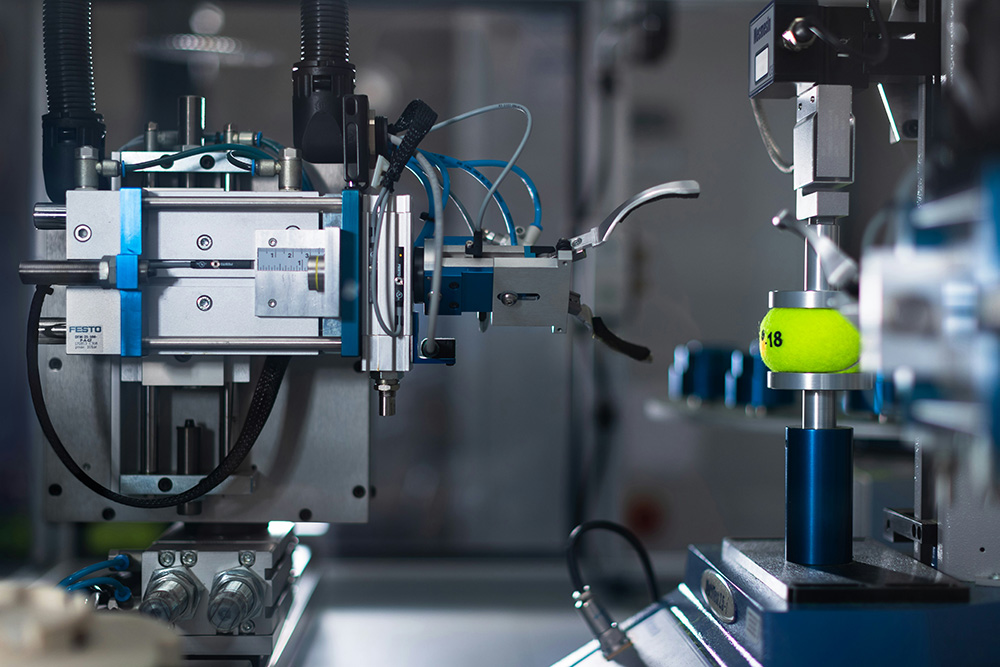
The need for accurate assembly of products has increased in recent years. More and more complex products are being designed and brought to market. Industries such as aerospace, automotive, medical devices and electronics all require their products to be put together to exacting standards in order to guarantee the optimal performance of the end product and to ensure safe use.
Companies such as Crane Electronics provide manufacturers with the tools needed to increase fastening accuracy using latest torque management solutions, data collection systems and process control technologies that help to meet today’s quality demands.
As stricter and stricter regulations are introduced around the world by organizations such as the ASME, the demand for precision engineering solutions is going to continue to increase in the coming years.
4. Sustainable Engineering Practices
Sustainability is no longer a secondary consideration. It has become a core engineering objective.
Designing for Environmental Responsibility
Engineers are increasingly focused on:
- Reducing material waste
- Improving energy efficiency
- Using recyclable materials
- Lowering carbon emissions
Sustainable engineering practices can offer organisations both environmental and commercial benefits, by ensuring that they are running at minimum operating cost, and effectively managing their resources.
5. Digital Twins and Virtual Testing
Digital twin technology is transforming how engineers monitor and optimise assets.
Creating Virtual Replicas
A digital twin is a virtual Replica of a physical product, machine or system. By linking the real-time data from the operation of the physical asset to the digital model, the engineer can be able to test how the asset will perform in different scenarios, plan the required maintenance and identify potential failures before they actually occur.
Applications include:
- Manufacturing equipment
- Energy infrastructure
- Aerospace systems
- Building management
Digital twin technology can help an organization to reduce risks and to increase the efficiency of operations.
6. Advanced Robotics and Automation
Automation is evolving beyond repetitive manufacturing tasks.
Smarter Collaborative Robots
Newer generations of hardware and software allow for smarter and more intelligent Collaborative Robots. These new robots are flexible and are capable of performing tasks in production environments that require high precision and a consistent and high quality output. These newer robots are being adopted at an increasing rate as the technology is continually improved upon. By 2026 adoption is predicted to continue at a fast pace.
Benefits include:
- Increased productivity
- Improved workplace safety
- Reduced labour-intensive tasks
- Greater operational flexibility
Robots and automation are becoming increasingly sophisticated and better for businesses. Smart, flexible and able to work safely with humans, modern robots are increasingly being used in production lines to carry out precise and repetitive tasks in greater quantities and at a higher standard than humans.
7. Predictive Maintenance Powered by Data
Maintenance strategies are shifting from reactive repairs to proactive planning.
Preventing Failures Before They Happen
By using sensors and analytics it is possible to monitor equipment in a continuous way and to identify possible wear and tear before it actually causes a failure.
Predictive maintenance enables organisations to:
- Reduce downtime
- Extend equipment lifespan
- Lower maintenance costs
- Improve operational reliability
From within the manufacturing, transport and energy sectors, it is becoming increasingly important to employ a data-driven maintenance strategy.
What These Trends Mean for Engineering Professionals
The engineering profession is becoming more interconnected with a greater focus on data, technology and how these can be best utilised in a variety of contexts to maximise performance and competitiveness. As well as retaining their technical expertise, engineers are expected to have knowledge of the digital systems that are increasingly being used within engineering, as well as various types of automation technology, and how to apply advanced data analysis within their work.
Continuous learning will be needed to tackle the latest tools and methods to stay ahead of the competition.
FAQ
What is the biggest engineering trend in 2026?
Artificial intelligence or AI is currently the biggest engineering trend in 2026. With its application in design, operation of systems and decision making in a large number of engineering disciplines, AI will improve engineering design and operations and thus engineering as a whole.
Why is precision assembly becoming more important?
The products that we manufacture today contain many complex parts that need to be fastened or assembled together with precise standards to exacting standards. These parts need to be assembled to exacting fastening standards to ensure the ultimate product is safe and reliable to use and also to ensure that the product is in compliance with all relevant international and local standards.
What is a digital twin in engineering?
A digital twin is a virtual representation of a physical product or asset. The digital twin uses real-time data feeds from sensors, condition monitoring and other data streams. This allows the digital twin to simulate real life behaviour, to monitor the asset’s condition and to predict when maintenance is required.
How does predictive maintenance benefit manufacturers?
Predictive maintenance can assist to identify when a failure of an asset may occur, thereby enabling organisations to take action and reduce potential downtime and costly repair actions.
Will automation replace engineers?
No. The aim of automation is to support the engineer. It takes over routine tasks, thus allowing to generate more value adding tasks for the engineer. Also the generated data allows for very profound analysis which again would be too complex and time consuming for the human.
Conclusion
Engineering in 2026 will be characterised by the intersection of several key factors: technological innovation, sustainability, and a focus on high precision and maximum efficiency. Using innovative tools such as AI for design, digital twins for monitoring physical assets, and highly developed torque management, as well as predictive maintenance, companies are turning to solutions that deliver increased performance with lower risk.
Engineers who are familiar with these future trends will be in a unique position to help shape the future of manufacturing, of our infrastructure and of industry in general.