LED Light Therapy London: A Gentle Treatment for Glowing Skin
LED Light Therapy London: London’s beauty scene is always moving. New treatments appear quickly, trends change fast and clients are often faced with too many options. Yet some treatments grow because they answer a real need rather than because they are fashionable for a moment. LED light therapy is one of those treatments. It has become increasingly popular because it offers a gentle, non-invasive and practical way to support the skin without the downtime associated with stronger procedures.
The treatment uses selected wavelengths of light, most commonly red, blue and near infrared. Each wavelength is chosen for a different purpose. Red light is often used in skin rejuvenation plans, blue light is commonly associated with blemish-prone skin, and near infrared is used for deeper skin support. This flexibility allows LED therapy to be adapted to different concerns rather than being a one-size-fits-all treatment.
Why LED Light Therapy?
People searching for LED light therapy London are usually looking for something more professional than a home mask but less aggressive than lasers, peels or injectables. They want results that look natural, they want the treatment to be comfortable and they want to carry on with their day afterwards. LED therapy fits this demand well. It is usually calm, quiet and relaxing, with no needles, no peeling and no obvious recovery period.
One of the strongest reasons for LED’s growth is the modern client’s attitude towards skin. Many people no longer want to chase extreme changes. They want their skin to look healthier, clearer, brighter and more balanced. They also want treatments that can be maintained over time. LED therapy suits this because it can be used as part of a course and then included in a maintenance routine.
London clients are also busy. They may be working long hours, commuting, attending events, looking after children or managing unpredictable schedules. Treatments that require downtime can be difficult to plan. LED therapy is attractive because appointments can often be fitted around normal life. A person can have a session and then return to work, go shopping, attend a meeting or continue with the day.

Why is LED Light Therapy Popular?
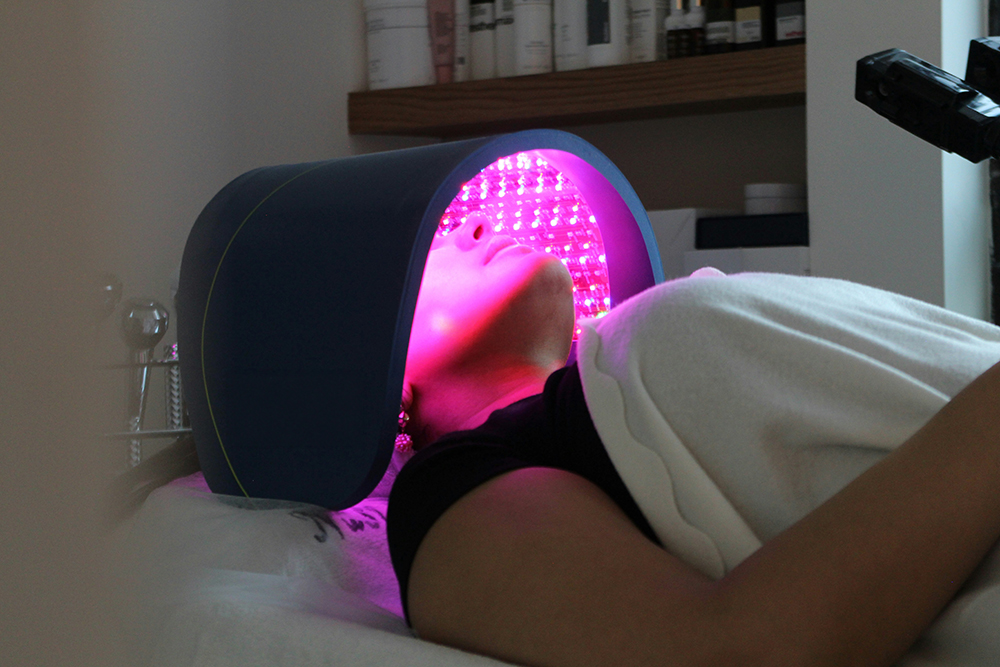
The treatment is also popular among people who are nervous about aesthetic procedures. For someone who has never had professional skin treatment before, needles or strong resurfacing can feel intimidating. LED therapy feels more approachable. The client lies under a light panel while the selected wavelength is applied. There is no cutting, no injections and usually no discomfort. This makes it a good starting point for people who want to take skin care more seriously without jumping into aggressive treatments.
How does LED Light Therapy work?
Red LED light is probably the most recognised wavelength in the beauty world. It is commonly discussed in relation to collagen support, skin rejuvenation and a healthier-looking complexion. As the skin ages, it can begin to look dull, tired and less firm. Red light therapy is often chosen by clients who want gradual improvement in skin appearance without changing their facial features.
Blue LED light is often used for people with oily or breakout-prone skin. Many clients dealing with blemishes are tired of harsh products that leave the skin dry, red or sensitive. Blue light offers a different route because it does not rely on exfoliating acids or strong topical ingredients. In a professional setting, it can be included in a plan to support clearer-looking skin and reduce the appearance of congestion.
Near infrared light has helped LED therapy move into the wider wellness category. It is often used for deeper support and may be combined with red light in professional systems. People interested in recovery, inflammation support or general wellbeing may be drawn to this wavelength. Its popularity shows how LED therapy now sits between beauty, skin health and wellness rather than belonging to only one category.
Why go a to clinic?
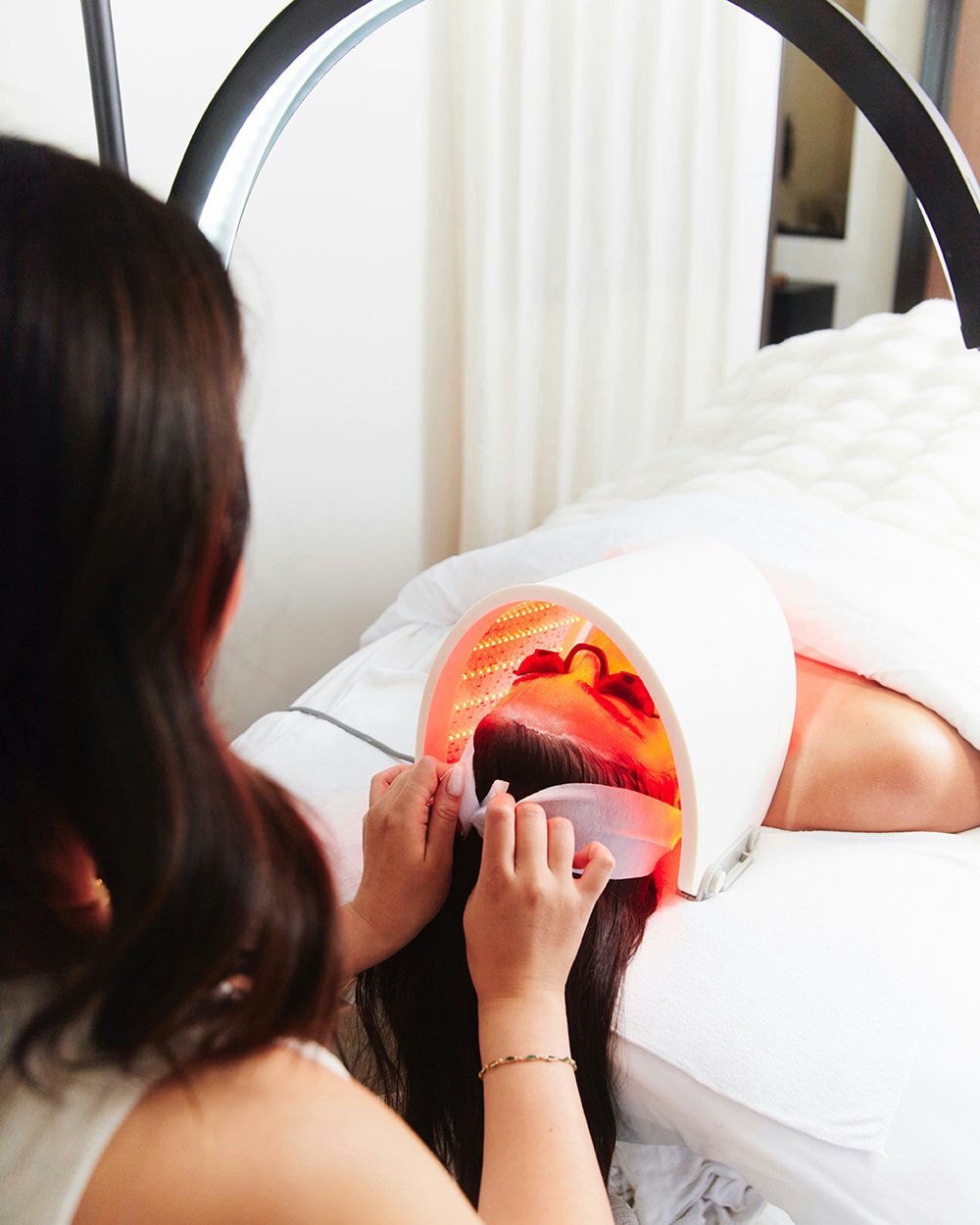
Professional LED therapy should not be confused with every home device advertised online. Home masks can be convenient, but they differ widely in quality, strength, wavelength accuracy and coverage. Some may be useful for maintenance, while others may be weak or inconsistent. A clinic device is usually designed to deliver more even and reliable treatment. More importantly, a practitioner can advise which wavelength is appropriate and how often treatment should be performed.
Consistency is one of the most important parts of LED treatment. A single session may leave the skin looking fresh for some clients, but the real benefit usually comes from repeated treatments. A course allows the skin to receive regular light exposure over a set period. The number of sessions depends on the concern, the device and the clinic’s protocol. This is why it is better to think of LED as a treatment plan rather than a quick one-off fix.
The no-downtime nature of LED therapy is a major advantage. Many people want professional treatments but do not want visible side effects. They may not want to explain redness, peeling or swelling to colleagues or friends. LED therapy normally allows a more discreet approach. It can also be used before events as part of a glow-focused routine, although longer-term improvement still depends on regularity.
What are the other benefits of LED therapy?
LED therapy also works well alongside other facial treatments. It may be used after cleansing, exfoliation or hydration steps, depending on the treatment plan. Because it is gentle, clinics may use it to complement other non-invasive services. However, combinations should still be selected carefully. More is not always better, and good treatment planning is about matching the service to the skin’s needs.
Another factor behind LED’s growth is the rise of skin education. Clients now understand more about collagen, inflammation, skin barrier health and the damage caused by over-treating the skin. Many are becoming cautious about constantly using strong acids or active ingredients. LED therapy offers a way to support the skin without adding more irritation. This is particularly useful for people whose skin has become reactive from too many products.
A proper consultation remains essential. Even though LED is gentle, the practitioner should ask about medications, light sensitivity, pregnancy, recent treatments and skin conditions. The client’s expectations should also be discussed. Some people may expect instant dramatic results because of what they have seen online. A responsible clinic should explain that LED is gradual and that courses are normally recommended for best results.
Who is this for?
The treatment also appeals to people who want to avoid looking overdone. Many clients are now moving towards softer, more natural aesthetic choices. They want to look like themselves, just fresher. LED therapy supports this trend because it does not add volume, freeze movement or alter facial structure. It focuses on skin quality, which is often what people really notice when they say someone looks well.
For people living or working in central London, access to a professional clinic is important. They want a location that is convenient and a treatment that can be repeated without becoming disruptive. LED therapy lends itself to this because sessions are usually manageable in length and easy to schedule. The treatment can become part of a regular skin maintenance routine rather than a rare special occasion.
The results page of a clinic website also matters for this treatment. Because LED therapy is gradual, clients want to understand what type of improvement is realistic. Clear before-and-after photos, honest explanations and condition-specific pages can help clients choose the right treatment. Overly dramatic claims can create disappointment, while balanced education builds trust.
LED light therapy has also benefited from celebrity visibility and social media, but its lasting value comes from practicality. A treatment can become popular online, but it only remains popular if clients find it useful and repeatable. LED therapy has that repeatability. It is comfortable, easy to combine with a skincare plan and suitable for people who do not want aggressive procedures.
As more clinics offer LED treatments, the difference between basic and professional services will become more important. Clients should ask what device is being used, what wavelengths are available, how close the light is positioned, how long the session lasts and how the course is structured. A good clinic should be able to answer these questions in plain language.
What makes a good clinic?
A strong LED clinic should also avoid making the treatment sound the same for everyone. Someone searching for blue light therapy may have very different needs from someone searching for red light therapy. A client interested in near infrared may be thinking about recovery or deeper support rather than just a facial glow. By separating these topics clearly, a clinic helps users find the right information and helps search engines understand the site’s expertise across the whole LED category.
The treatment’s popularity has also been helped by the move away from harsh beauty routines. Many people have spent years using strong products, chasing instant results and damaging their skin barrier in the process. LED therapy offers a calmer alternative. It does not ask the skin to peel or recover from controlled injury. Instead, it provides a supportive treatment that can be repeated. For clients who have become cautious about aggressive procedures, this is a major advantage.
Could this work for me?
London clients are also more informed than ever. They compare clinics, read treatment guides, check results pages and look for signs of professionalism before booking. That means a clinic offering LED therapy needs clear explanations, honest expectations and visible proof that the treatment is performed properly. Good content is not just for search engines. It helps clients feel confident enough to make an enquiry.
The commercial opportunity for LED therapy is also clear. Search demand often begins with broad terms such as LED light therapy, but clients usually book because of a specific concern. They may want help with redness, acne-prone skin, dullness or general rejuvenation. A clinic that explains each concern properly can meet the user at the point of interest and then guide them towards the correct treatment. This is better than relying on a single generic page to answer every question.
For clients, the best next step is to choose a clinic that treats LED therapy as a professional treatment rather than a novelty add-on. The consultation, device, wavelength selection and course structure all matter. When those pieces are in place, LED therapy becomes more than a relaxing light session. It becomes a practical part of ongoing skin maintenance in one of the most competitive beauty markets in the country.