
Seven Small Habits That Can Support Your Future Health
Seven small habits for future health: Here’s the thing about healthy ageing, it’s often made out to be far more complicated than it actually needs to be. You hear about expensive programmes, rigid routines, special diets. In truth, many of the habits that really do support long-term wellbeing are simple, straightforward actions. They’re the kind of things you can start doing pretty much whenever suits you. The goal isn’t perfection or following some immaculate routine. It’s about making choices, steadily and gently, that help you stay strong, energetic, mobile and generally well as time goes on.
A good diet remains the foundation, naturally. Though some people also find it helpful to include multivitamin supplements as part of what they do each day. Just don’t let supplements replace actual varied meals. And if you’re taking medication, dealing with a health condition or pregnant, do check with someone who knows your situation before starting something new.
Here are seven habits worth considering. None of them need to take over your life.
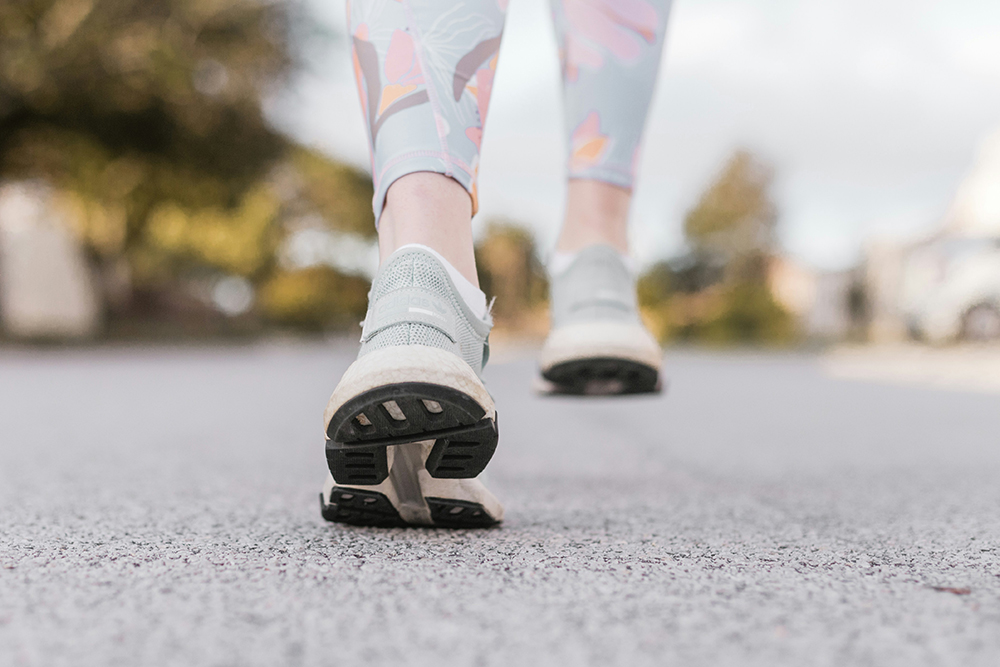
1. Walk More Often
Walking is genuinely one of the easiest ways to keep active. No specialist kit needed. No gym membership. No complicated training plan to follow. You can do it at whatever pace suits your fitness level right now.
When you walk regularly, you’re supporting your cardiovascular system, your mobility and your general stamina. It’s also rather good for breaking up long stretches of sitting, which matters quite a bit if you’re at a desk most of the day or spend a lot of time at home.
You don’t need to start with ambitious hikes either. A ten-minute stroll after lunch works. Getting off the bus a stop earlier. Pacing about while you’re on a phone call. These things add up over time. Eventually, you might find yourself naturally walking further or picking up the pace without really thinking about it.
Choosing a walk you actually enjoy, a local park, a quiet street, somewhere along the river, makes the whole thing far easier to keep doing. It stops feeling like pure exercise and starts feeling like something you just do.
2. Include Some Strength-Based Movement
Cardiovascular work gets most of the attention, fair enough. But strength matters too. Keeping your muscles strong helps with balance, posture, everyday tasks, all the things that matter as you get older.
You don’t need to be lifting heavy weights to build strength. Squats using a chair for support, press-ups against a wall, step-ups on a low step, these all work perfectly well. Resistance bands, light dumbbells, even a tin of beans can be useful.

Rather than throwing yourself into an intense daily schedule, try adding a bit of strength work gradually. Two short sessions a week feel far more doable than committing to constant workouts.
Doing things properly is worth the effort, particularly if you’ve had an injury or are dealing with limited mobility or a medical condition. A qualified trainer, physiotherapist or GP can give you proper guidance tailored to your situation.
3. Add More Variety to Your Meals
The thing about “superfoods” is that eating well isn’t really about relying on a handful of them. What matters is variety, because different foods give you different combinations of nutrients.
Aim for a mix across the week, vegetables, fruit, wholegrains, protein-rich foods and healthy fats. Switch things around. It keeps meals interesting and naturally increases what you’re eating nutritionally.
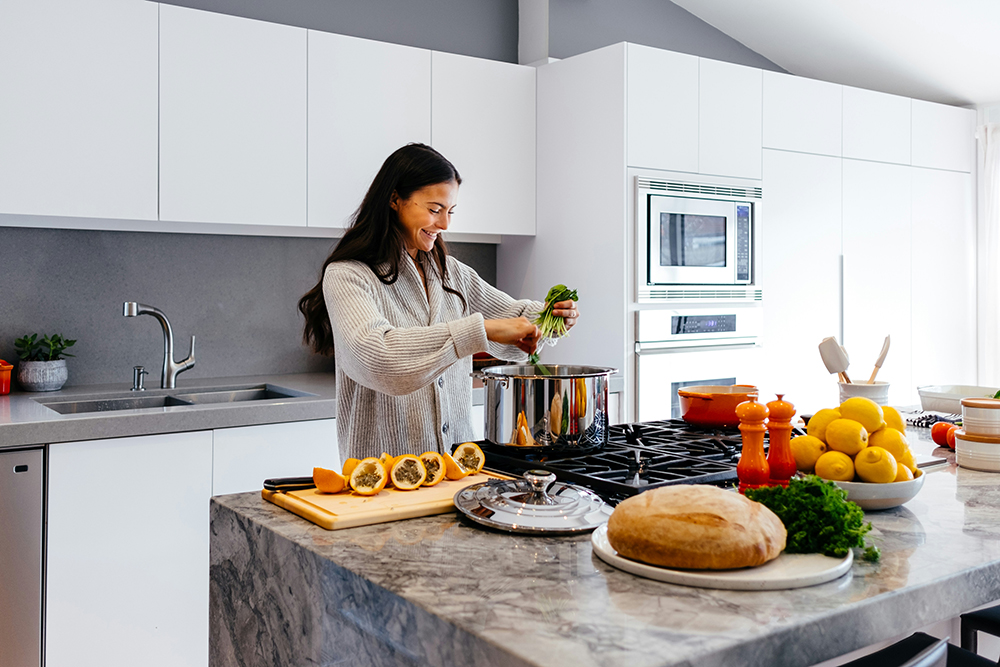
Small changes stick better than dramatic overhauls. Add an extra vegetable to dinner. Try a different type of bean in a salad. Alternate between oats, wholegrain toast and yoghurt at breakfast.
Protein’s worth getting in regularly too. Eggs, fish, lean meat, dairy, beans, lentils, chickpeas, tofu, nuts, seeds; there’s plenty to choose from. Protein helps maintain and repair your tissues. It also tends to make meals more satisfying.
4. Protect Your Sleep Routine
Sleep affects how you function during the day more than you might realise. When it’s regularly disrupted, concentration suffers. Exercise becomes harder. Stress is trickier to manage. Preparing decent meals feels impossible.
A consistent bedtime routine can really help. Dimming the lights, a warm shower, reading, whatever signals to your body that the day’s winding down. Pick what works for you.
Try keeping your wake and sleep times fairly consistent, even at weekends if you can. Your bedroom should ideally be quiet, dark and comfortable, though obviously not everyone can manage all three.
Caffeine’s worth thinking about too. If you’re struggling to settle at night, have a think about whether tea, coffee or energy drinks later in the day might be playing a part. If sleep problems persist, talk to your GP instead of just accepting them as inevitable.
5. Maintain Your Social Connections
Healthy ageing isn’t only about what you eat and how much you move. Staying socially connected makes a real difference to how you feel emotionally and your overall quality of life.
Busy lives make it easy to drift away from friends, family and neighbours. But staying in touch doesn’t require anything elaborate. A quick phone call, a walk together, coffee, a text, these all matter.
Joining a local group, a class or volunteering can also give you routine and community. This can be especially valuable if you’ve moved, changed jobs or if family circumstances have shifted.
The key is not treating socialising like another box to tick on a wellbeing list. Focus on relationships that leave you feeling supported, respected and genuinely yourself.
6. Keep Up With Routine Health Checks
It’s tempting to skip appointments when you’re feeling fine, but routine checks actually catch things early, often before symptoms show up.
Go to your screening invitations and health appointments when they’re offered. Look after dental check-ups and eye tests. Keep on top of medication reviews too.
Don’t assume every change in your body is just part of getting older. Unusual tiredness, persistent pain, weight changes, strange bleeding, new lumps, changes in bowel habits, mention these to a healthcare professional.
Jotting down symptoms, when they started, what makes them better or worse, makes explaining things during appointments much easier.

7. Make Healthy Habits Easier to Repeat
The habits that actually work are the ones you can actually keep doing. An ambitious routine might last a few weeks, but something small that fits naturally into your life has a better chance of sticking.
Try linking a new habit to something you already do. Walk after dinner. Stretch while the kettle’s on. Prep tomorrow’s breakfast while tidying up.
Your environment helps too. Keep water nearby. Put fruit where you’ll see it. Store your walking shoes somewhere obvious.
Missing a day isn’t failure. Long-term health comes from patterns, not perfection. Getting back to it matters more than never slipping up.
Looking After Your Future Self
You don’t need an extreme diet or a punishing fitness schedule to support your future health. Walking regularly, maintaining strength, eating varied meals, protecting sleep, staying connected, keeping on top of health checks and building repeatable routines, it all adds up.
These might seem like small things. But their real value is in consistency. Starting with one realistic change often works better than trying to overhaul everything at once. Over time, these simple actions become part of who you are and how you live.