7 Common Weight Loss Mistakes That Can Make Progress Harder
Common weight loss mistakes: The goal is also to maintain the motivation, which must then turn into sustainable and reasonable habits on a long-term scale rather than on a few days scale.
Generally, losing weight implies an energy expenditure higher than the one input over time, although it is also incorrect to believe that the reduction of calorie intake as much as possible yields the best result.
Balanced diets, expectations and changes to implement can make an arduous task even harder. When you want a safe and long-term benefit, here are some classic mistakes to avoid:
1. Trying to lose weight as quickly as possible
Tempting in the number on the scale, it is necessary not to consider the speed of your result the primary parameter.
While the NHS generally estimates that no more than 1 kg of weight loss should occur per week (with considerable variations between individuals), we note that a drastic change on the scale may partially result from variations in the amounts of water within the body.
Too restrictive to food, it can indeed have many undesirable side effects, ranging from the appearance of nutritional deficiencies and fatigue to muscle loss.
To encourage long-term rather than quick and rapid weight loss, a healthy and progressive adjustment to one’s diet will prove beneficial in the long term over a sharp drop, with possible consequent regain of pounds.
2. Cutting out entire food groups unnecessarily
Food groups such as carbohydrates and lipids are quite often considered the primary culprits of excess weight gain.
This leads people to restrict their diet even without there being any medical indication.
No doctor will tell you not to consume bread, pasta, and rice in the case of a weight loss plan; if you know how to combine carbohydrates correctly, often in whole-grain varieties and combined with fruit and vegetables, you are helping to nourish the body while ensuring sufficient intake of micronutrients and fiber.
Restrictive rules are also difficult to apply when we try to maintain an active social life.
Eating habits should then lead the mind away from obsessions.
3. Underestimating portion sizes
It is important to eat many vegetables and nutrients but at the same time manage our caloric intake. Remember that some foods, which give the feeling of being insubstantial, contain many calories in small amounts. We are here considering those oils that enrich meals such as nuts, cheese or condiments.
They are obviously foods to avoid in the short and long term; you are just being advised not to lose sight of the portion size that you put into each meal.
For some time, measuring calories in each serving would help to give us a concrete idea of the actual amount served. Be careful to also pay attention to drinkable drinks. Sugary drinks are indeed “liquid calories” that provide significant energy without any real nutrient intake; remember to watch them out.
4. Relying on exercise to compensate for everything you eat
Use exercise to compensate for food While sports have numerous benefits beyond weight loss – cardiorespiratory functioning, mental well-being and muscle support, to name a few. A physically active individual should still manage his caloric intake efficiently. In fact, it is easy to overestimate a workout’s effectiveness and overeat on subsequent occasions.
Exercise trackers can provide estimates.
We suggest following a healthy diet balanced with moderate physical activity (like walking or running) and the practice of strength training to maintain muscle mass and promote a well-rounded outcome during weight loss.

5. Treating one difficult day as failure
Your weight loss never progresses linearly; meals taken together outside, holidays or training sessions missed must not become an alibi to abandon your efforts in weight loss.
In fact, the body is a complex organism, and fluid balance, the amounts of salt and carbohydrates consumed will fluctuate your weight without any significant, long-term increase in body fat. Try instead to review a trend over a longer period of time.
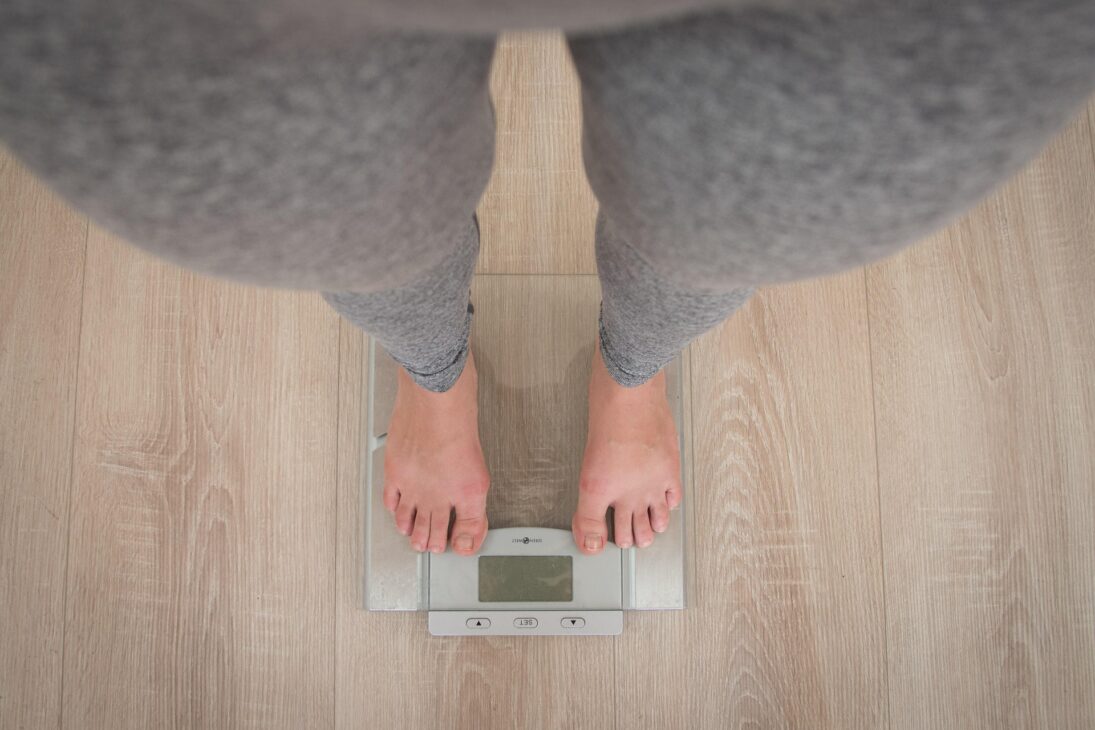
6. Focusing only on the scales
Your weight is a crucial factor in weight loss, but it is not the only one that reflects successful progress.
The sizes of clothes you wear, the reduction of your waistline and a growing state of well-being are often indices of real progress not measurable on the balance scale.
Exercise more regularly in an effort to maintain or build muscle, even if weight loss fluctuates over weeks and sometimes tends to get stuck.
7. Assuming medication can replace healthy habits
Don’t overly drastically alter your diet! Reviewing your eating habits and activity levels can bring you up.
Depending on factors including body mass index, medical history and weight-related health conditions, some adults may be suitable for weight loss treatments following an appropriate clinical assessment.
Different treatments work in different ways and have different suitability criteria, risks and potential side effects.
Current NICE guidance recommends that medicines used for weight management are provided alongside changes to diet and physical activity rather than being used as a standalone approach.
Ana Carolina Goncalves, Superintendent Pharmacist at Pharmica, explains:
“Weight management is much more sustainable when the focus extends beyond the number on the scales. Whether someone is making lifestyle changes alone or is receiving medical treatment, nutrition, physical activity and realistic routines still play an important role. Setting expectations that can be maintained over time is generally much more useful than trying to achieve the fastest possible result.”
Medical support should therefore be considered one potential component of a wider weight management plan rather than a shortcut around lifestyle changes.
Build a routine you can actually maintain
Sustainable weight loss tends to rely on less extreme habits, such as eating more complete and balanced meals containing adequate amounts of both protein and fiber; learning about portion sizes; taking regular physical activity throughout the week; including activities to maintain strength, getting a reasonable amount of sleep; and having social occasions where you allow a little lee-way from routine without considering them a complete failure.
You won’t necessarily be exactly the same weight every day, and you can’t expect it be perfectly linear, that’s perfectly ok. Safe weight loss is not a race to the lowest weight on the scales but aims to bring about changes in physical health and the ability to sustain the resulting changes post initial period of weight loss.