
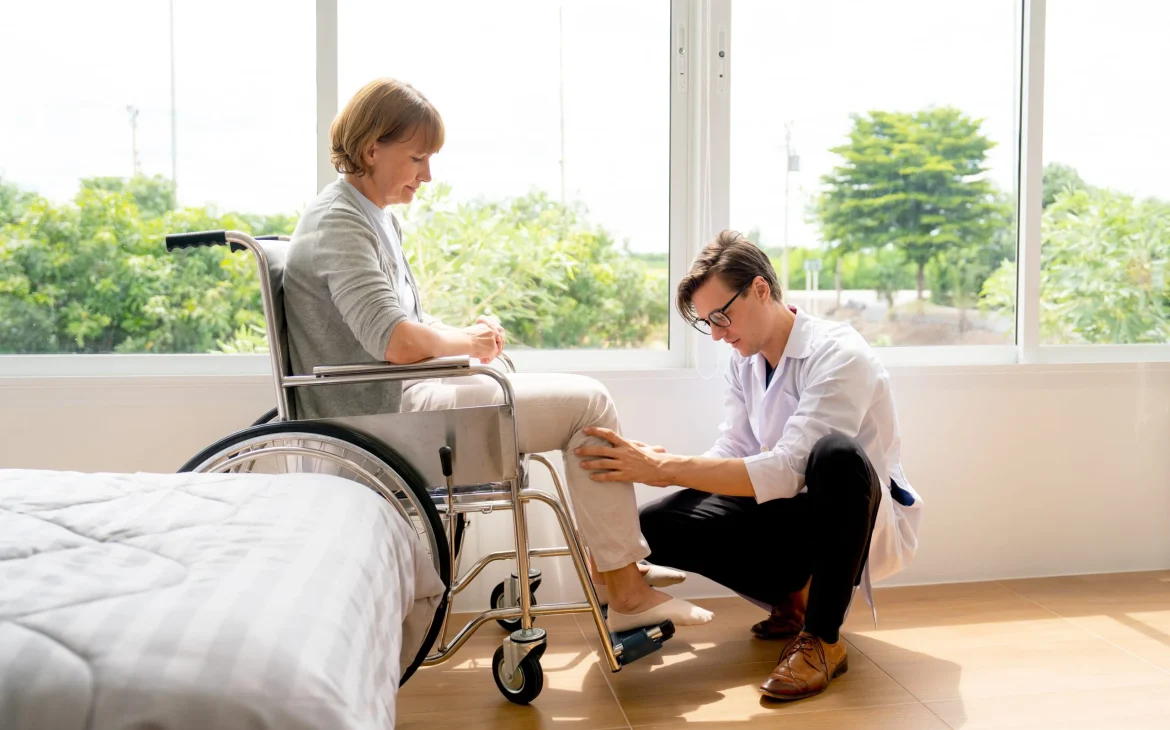
Giving care to someone after an injury
If someone close to you has recently suffered a serious injury, it’s important to offer your utmost support during such a difficult time. It’s completely normal for you to feel helpless and worried about your friend or family member, but being there for them will certainly not go unnoticed.
In this article, we’ll be providing you with some top tips on how to give care to someone after an injury.
Why is this important?
Your loved one’s life may have been turned upside down depending on the severity of the injury. Some injuries can make the recovery period incredibly difficult to manage alone, perhaps inhibiting their ability to perform simple day-to-day tasks.
That’s why it’s so important to be on hand to provide assistance and encouragement at a time when you’re needed most. And, with everyone having different coping strategies and ways to deal with such an incident, you’ll need to be patient to understand how to help your loved one feel at ease.
Appointments
Your loved one must attend regular appointments if they were involved in a serious injury. Scheduling and booking these appointments may not be possible for them to do themselves anymore, which is where you can come in to help.
Plus, if they live alone, they may struggle to get there and back. Offering to transport them to their hospital appointments is a wonderful way to offer your support. Alternatively, you could offer them help by getting in contact with a provider of RELATYV Mobile Pain Management in Michigan (or indeed elsewhere) to have a professional come and visit them in their home. This saves you transporting around and ensures that they are in a comfortable environment whilst they receive relief from their injury.
Documentation
Often accidents and serious injuries involve a lot of documentation, which can be difficult for one person to keep track of, especially if they’re struggling to come to terms with what’s happened.
Bluegrass State residents like to hire a lawyer for slip and fall accidents in Kentucky to help them gather and organize their necessary documents, which can be time-consuming and stressful to do alone. Offering your assistance in this matter will greatly help relieve some of the pressure on your loved one.
It’s important to help your loved one keep a record of everything that happened, especially if the accident wasn’t their fault. This could come in handy when making a case for brain injury claims and other compensation claims, as you’ll need all the relevant evidence before seeking the advice of a solicitor.
Recovery
Helping them with recovery and rehabilitation is an excellent way to help your loved one get back on track after their accident. Perhaps you need to encourage rehab exercises or book them in with a physical therapist or other types of rehab professionals.
Even reminding them to take their medication can be helpful, as severe accidents can sometimes cause memory loss.
Mental Support
Simply being there for your loved one can make all the difference. Serious injuries can have a significant impact both mentally and emotionally, so you must be able to act as a shoulder to cry on.
Encouraging exercise and movement where possible can be hugely beneficial for their mental wellbeing, too. Physical activity has been proven to be one of the best ways to boost your mood and reduce anxiety.


