
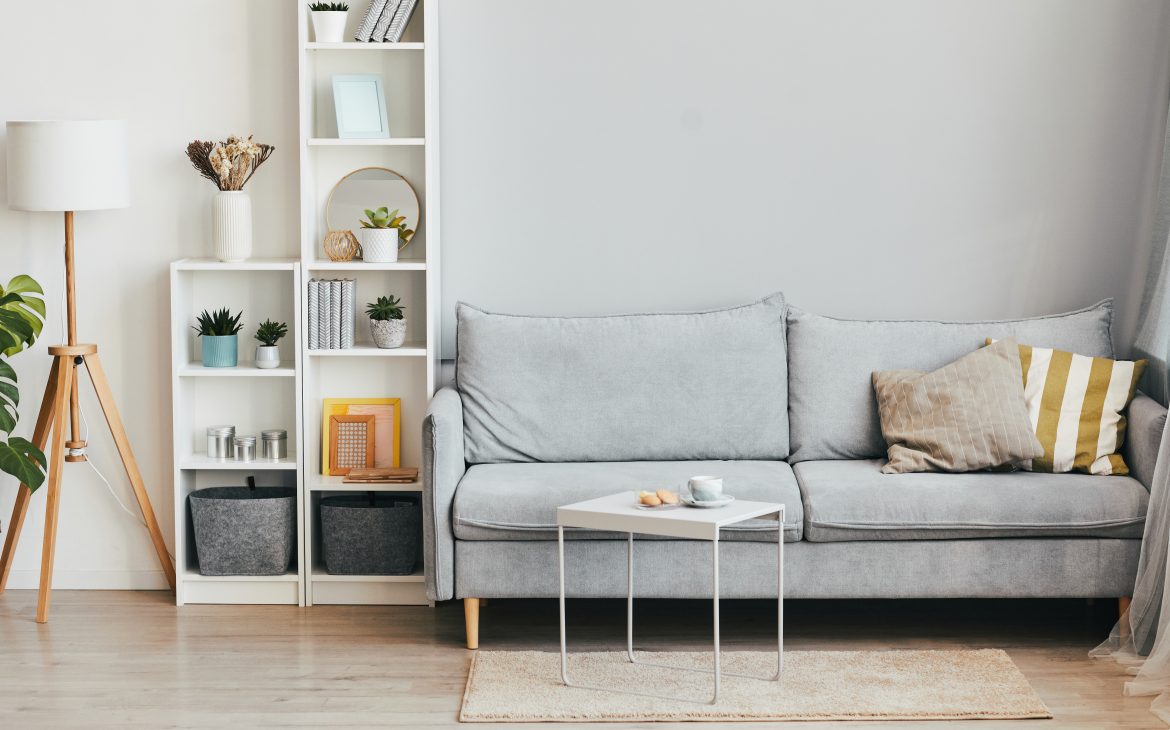
The Art of Minimalism: Achieving More with Less in Home Design
Minimalism in home design is much more than a mere aesthetic choice; it’s a philosophy that champions simplicity, functionality, and a clutter-free living space. At its heart, minimalism is about prioritising the essentials in our lives, removing the unnecessary, and finding beauty in simplicity.
This approach to interior design not only creates visually appealing spaces but also fosters a sense of calm and order in our often chaotic lives. As we delve into the world of minimalist design, we uncover the art of achieving more with less.
Understanding Minimalism: The Core Principles
Minimalism as a design philosophy stems from the idea that less is indeed more. Central to this approach is the reduction of elements to their essential qualities. This does not mean stripping a space bare; rather, it involves a thoughtful process of selecting items that serve a purpose while contributing to an overall sense of harmony and balance.
In minimalist design, every item should have a reason for being in the space, whether it’s functional, brings joy, or adds to the aesthetic in a meaningful way. This principle challenges us to re-evaluate our relationship with possessions, encouraging us to keep only what we truly value.
Additionally, minimalism is characterised by clean lines, uncluttered spaces, and a monochromatic colour palette, often complemented by natural materials and textures that add warmth and depth to the simplicity of the design.
Colour Palettes and Textures for Minimalist Interiors
The right colour palette and textures are pivotal in defining a minimalist interior. Typically, minimalist designs lean towards a monochromatic palette, often grounded in neutrals like whites, beiges, and greys. These colours create a serene and cohesive space, allowing for a tranquil ambience that is both modern and timeless.
However, minimalism doesn’t mean avoiding colour entirely. Accents in bolder hues can be used sparingly to add depth and interest without overwhelming the space.
In terms of textures, minimalism favours a mix that adds warmth and variety while maintaining simplicity. Natural materials such as wood, stone, and textiles like linen or wool can introduce tactile diversity. This combination of restrained colours and rich textures creates a balanced, inviting environment that is both aesthetically pleasing and comfortably liveable.
Maximising Space with Smart Furniture Choices
When it comes to maximising space in a minimalist home, selecting the right furniture is key. Space-saving storage beds are a prime example of smart furniture that aligns with minimalist principles. These storage beds offer a dual function; they provide a comfortable sleeping area while also offering ample storage space in their base, eliminating the need for additional bulky furniture pieces.
This design is not only practical but also enhances the clean, streamlined look characteristic of minimalist interiors. Furl’s range of storage beds is an excellent illustration of how such furniture can be both stylish and functional. Ultimately, smart furniture choices like storage beds are essential in a minimalist home, as they help maintain an uncluttered, peaceful environment.
Decluttering Strategies for a Minimalist Home
Decluttering is a critical step in achieving a minimalist home. It’s about more than just tidying up; it’s a deliberate process of simplifying your space. Start by evaluating each item in your home and asking whether it serves a purpose or brings you joy. If it doesn’t meet these criteria, consider letting it go. This process encourages a more mindful approach to possessions, focusing on quality over quantity.
Once you’ve pared down your items, organise what remains in a way that maintains the minimalist aesthetic. Utilise smart storage solutions, like built-in shelves or multi-functional furniture, to keep necessary items out of sight but easily accessible. Regularly revisiting and reassessing your belongings helps to prevent clutter from accumulating.
Sustainable and Minimalist: A Winning Combination
The synergy between sustainability and minimalism is undeniable. Both philosophies embrace the idea of reducing excess and valuing quality over quantity. In minimalist design, this translates to selecting furniture and decor that are not only aesthetically pleasing but also sustainably made.
Sustainable practices in furniture design, like using recycled materials or sourcing from renewable resources, align perfectly with minimalist values. Furthermore, the minimalist ethos of purchasing fewer but higher-quality items reduces waste and environmental impact. This approach encourages a more conscious lifestyle, where every item in the home has a purpose and is chosen with care.
Maintaining a Minimalist Home: Tips and Tricks
Maintaining a minimalist home requires consistent effort but is deeply rewarding. The key is to establish habits that support a clutter-free and orderly environment. Regularly decluttering is essential; make it a habit to periodically review your belongings and remove items that no longer serve a purpose or bring joy.
Be mindful about new purchases – ask yourself if they are necessary and in line with your minimalist values. Opt for quality over quantity, choosing items that are durable, functional, and timeless in design. Implement effective storage solutions to keep everyday items out of sight but within easy reach.
Maintain clean lines and a simple layout in your home, avoiding the temptation to fill empty spaces with unnecessary decor. Finally, embrace the idea that a minimalist home is an ongoing journey, one that evolves with your lifestyle and preferences.


