
Nurturing A Loved One’s Mental Health Through Wheelchair Adjustments
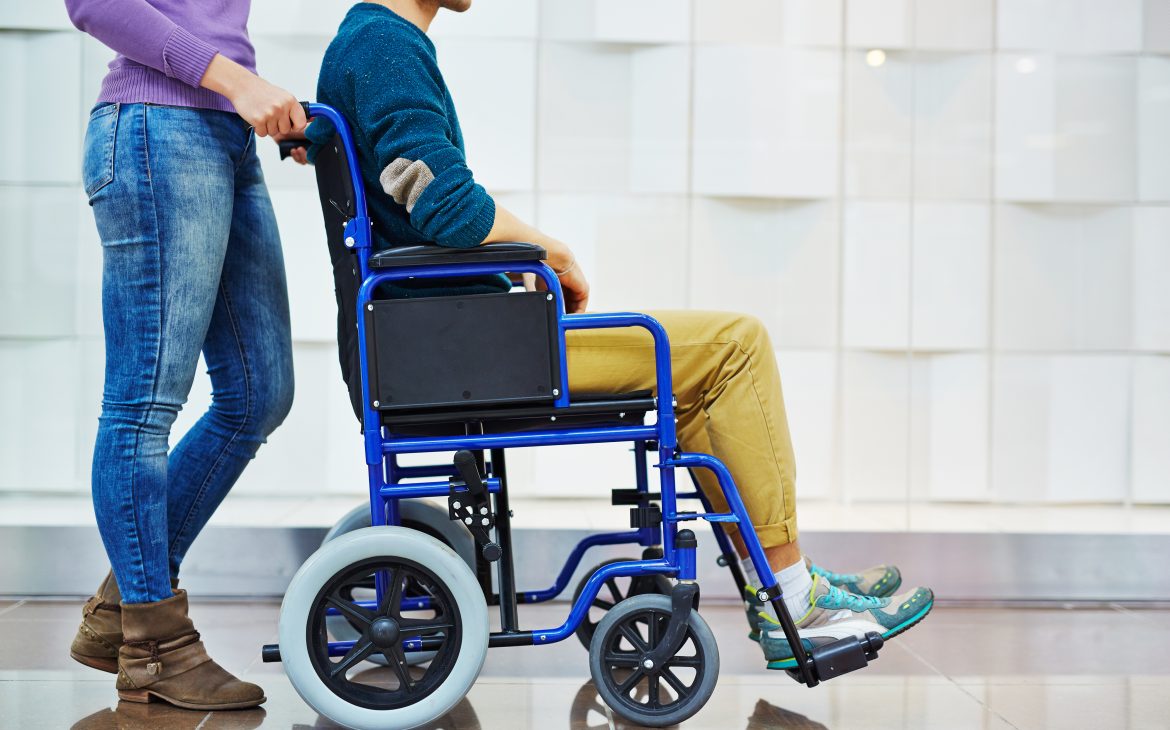
Coping with suddenly restricted mobility forcing reliance on wheelchairs or scooters elicits often overwhelming emotional turmoil for impacted individuals. As shocking transformations occur both physically and practically undermining cherished independence, one’s sense of identity and confidence invariably destabilises too. However, family and friends play vital roles in nurturing positive mental health through this mobility crisis by emphasising abilities retained rather than lost while supporting smart home adaptations and empowering self-sufficient flourishing long-term.
Discover the positive impact of wheelchair adjustments on mental health, emphasizing the importance of creating an accessible environment for loved ones. Simple modifications, such as installing wheelchair ramps for door threshold, can significantly enhance mobility and independence, fostering a supportive atmosphere that nurtures mental well-being. This approach encourages a holistic view of care, acknowledging the profound connection between physical accessibility and mental health.
Help Set Up Their Home Optimally
One of the most intimidating aspects of adjusting to new wheelchair or scooter dependence stems from concerns about whether one’s existing home can practically accommodate changing spatial needs. Thresholds like stairs and narrow halls suddenly become obstacles instead of conveniences when limbs no longer allow old navigation habits.
As close support, you can help conduct accessibility evaluations of your loved one’s home inside and out identifying simple changes and alleviating daily frustrations. These could cover adding grab rails in bathrooms, mounting wheelchair ramps at entryways, installing railing bannisters alongside steps, adjusting sink/stove heights in kitchens, or clearing corridors and doorways from clutter creating tighter passage.
Assist their move into accessible housing alternatives if substantial custom retrofitting proves infeasible or unaffordable for current spaces. Support them in embracing evolutions allowing happiness at home rather than lamenting limitations.
Help Research The Best Mobility Equipment
The ideal mobility equipment makes all the difference physically and mentally in one’s wheelchair adjustment journey. However, the process of researching myriad design options balanced against budget constraints often proves daunting for new wheelchair users unfamiliar with available technologies and funding routes.
Lend your research skills and patience helping your loved one investigate equipment like manual and powered wheelchairs, mobility scooters, weekly/daily rentals versus purchases, plus details on acquiring chairs through NHS (although it can be a long wait) or insurance support. Set appointments at mobility shops for test drives assessing options hands-on together until they determine the best model types and features suiting lifestyle needs and physical capabilities. The right assistive gear fitting well provides freedom, while the wrong chairs cause pain and emotional distress.
Think About Investing In A Wheelchair-Accessible Vehicle
Regaining driving independence ranks among the most emotionally uplifting mobility milestones restoring injured individuals’ sense of freedom and flexibility to pursue beloved pastimes on their schedule. However, being able to transport one’s own wheelchair or scooter reliably often requires purchasing speciality wheelchair-accessible vehicles with custom equipment like entry ramps, swivel front passenger seats, lowered floors and locking docking systems ensuring safe secure transport.
Ideally, loved ones should investigate options like applying for mobility support car leases via mobility schemes before being discharged from hospital stays. However, budgets may delay such big acquisitions. If feasible, consider helping fund the deposits, adaptations or optional driving accessories needed to get your loved one mobile faster while government benefits start materializing. Driving liberates lifespans regardless of legs assisting the journey.
Wheelchair-accessible vehicles make days out and holidays possible and offer far more freedom and independence. They also don’t have to cost the earth, especially if you buy used WAV vehicles. Allied Mobility offers a wide range of used WAVs and they are RAC-certified so you can trust the vehicle in question. Talk to one of their expert team to find out more.
Introduce Them To Peer Support Networks
Beyond home and equipment considerations directly addressing physical accessibility challenges, never underestimate the influence of connecting your loved one to peer networks helping wheelchair users navigate practical obstacles while importantly supporting mental health too.
Various disability charities and NHS trusts facilitate support groups both locally and online where people experiencing similar mobility transitions share guidance, resources and empathy creating solidarity. Here your loved one can learn tips on maintaining independence from those further along while supporting newly injured peers through initial turmoil they understand intimately.
Building such empathetic friendships based on shared experience, strength, and hope smooths one’s whole wheelchair adjustment journey, mental outlook included. Suggest trying different groups until the best-fit communities are found.
Encourage Reconnecting With The Community
Extended home or hospital stays grappling with health diagnoses causing long-term reliance on wheelchairs, scooters and accessible transportation often leads to prolonged isolation from friend circles, favourite public spaces or treasured hobbies allowing joy. Many recoil initially avoiding communities altogether rather than risk witnessing pity for their predicament.
Combat such retreats compassionately encouraging your loved one to bravely re-engage with everyday adventures beyond home that build courage, capabilities and social confidence navigating circumstances positively. Offer to accompany their first wheelchair outings anywhere potentially intimidating so anxieties stay muted realising accessibility. Inspire them to embrace tomorrow as doors open wide once more regardless of changed mobility.
Life’s true blessings stem not from legs that walk but rather from courageous hearts and spirited minds that perpetually move forward. By pouring daily love and constructive support into your loved one’s mobility transition, remind them joy knows no limits or disabilities when living purposefully. Help crystallise the perspective that while the scenery changes on life’s journey, identities need not be defined by the equipment aiding unique adventures ahead either.


