
Air-to-Water Heat Pumps vs. Traditional Heating Systems: Which Is Better?
Choosing the right heating system for your home can be a daunting task. With various options available, each promising to be the best, it’s crucial to understand what sets them apart. Let’s delve into a comparison between air-to-water heat pumps and traditional heating systems. By the end, you’ll have a clearer picture of which option might be better suited for your home’s needs.
Understanding Air-to-Water Heat Pumps
Definition and Basic Functioning
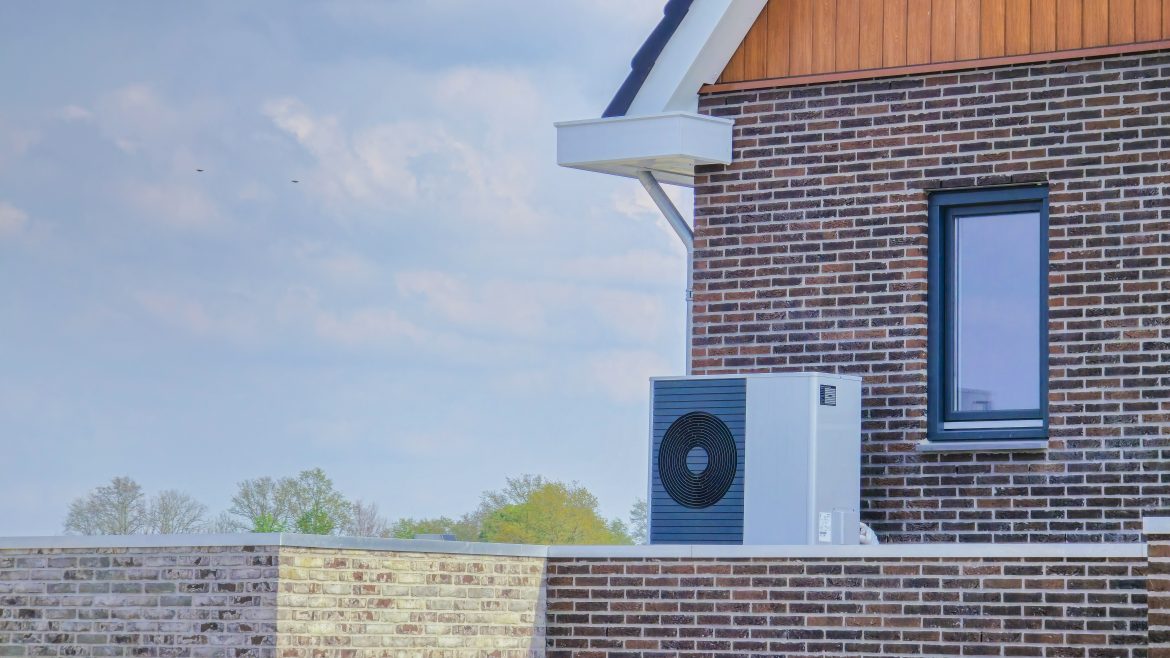
Air-to-water heat pumps are innovative systems that extract heat from the air outside and transfer it to water, which is then used to heat your home. They operate efficiently even in colder temperatures, making them a viable option for various climates.
Types of Air-to-Water Heat Pumps
There are primarily two types of air-to-water heat pumps: split-system and monobloc. Split-systems have two units, one outside and one inside, while monobloc systems combine all components into a single outdoor unit.
Benefits of Air-to-Water Heat Pumps
One of the significant benefits of heavy-duty air to water heat pumps is their energy efficiency. They use less electricity compared to traditional systems, translating into lower operational costs. Additionally, these systems are environmentally friendly, reducing your home’s carbon footprint. Another advantage is their versatility, as they can provide both heating and cooling.
Overview of Traditional Heating Systems
Common Types of Traditional Heating Systems
Traditional heating systems include gas furnaces, oil boilers, and electric heaters. Each type has its own mechanism and fuel source, providing reliable heating for homes for decades.
How Traditional Systems Work
Gas furnaces burn natural gas to produce heat, oil boilers use oil, and electric heaters convert electricity into heat. These systems are generally straightforward in their operation, providing consistent warmth.
Benefits of Traditional Heating Systems
Traditional heating systems are well-established and familiar to many homeowners. They often have lower initial installation costs and are known for their reliability. These systems have a proven track record of providing consistent heating, making them a trusted choice for many.
Comparative Analysis
Efficiency
When it comes to efficiency, air-to-water heat pumps typically outperform traditional systems. They have higher Seasonal Energy Efficiency Ratios (SEER), meaning they use less energy to produce the same amount of heat. This makes them more cost-effective in the long run.
Cost
While the initial installation cost of air-to-water heat pumps can be higher, their lower operational and maintenance costs often offset this over time. Traditional systems might have a lower upfront cost, but their energy bills can be higher, especially in regions with high electricity or fuel prices.
Environmental Impact
Air-to-water heat pumps have a significantly lower carbon footprint compared to traditional systems. They utilise renewable energy from the air, reducing greenhouse gas emissions. Traditional systems, especially those using fossil fuels, contribute more to environmental pollution.
Performance and Reliability
Both systems offer reliable performance, but in different ways. Air-to-water heat pumps are highly efficient and consistent, even in varying temperatures. Traditional systems are robust and have a long history of dependability.
Versatility and Flexibility
Air-to-water heat pumps provide the added benefit of cooling during hot months, making them more versatile. Traditional systems are typically focused solely on heating, which might limit their flexibility in year-round climate control.
Signs of a Good Air to Water Heat Pump Provider
Are you trying to find a reliable company to sell you an air to water heat pump? Sometimes, it can feel like a tricky task when you’re on the internet. But, there are good providers out there in the UK that can connect you with quality equipment that can improve your property. You just need to know how to spot them. Here are some signs you’ve found a provider that you can trust.
They Have Various Stores
A good company will have various stores across the country. This demonstrates their experience, and they know what people want. Indeed, this is particularly true in the online age. They clearly are popular for quality air-to-water heat pumps, which is a good sign. Therefore, ensure that there are various stores for this supplier. It also gives you an option to visit one and get advice from their team. You can even collect the air-to-water heat pump you like, which can save time.
The Prices are Competitive
Something you should always do when you’re shopping for an air-to-water heat pump is take a look at different websites. One reason to do this is so you get a better idea of what the prices are. Then, when you find a provider you like, you can make sure they’re competitive. It can help when they have a price promise, as this ensures you get the best deal. You can even keep an eye out for sales and other discounts throughout the year if you’re not in a hurry for an air-to-water heat pump.
There are Good Reviews
Don’t forget to check the reviews for an air to water heat pump provider. Yes, you can look at reviews for the products themselves, making sure they’re the quality you want. But, you can also read reviews to learn more about the company itself. Customers will give you the lowdown on their experience and you can use this information to make judgements on what they’re like.
Conclusion
In summary, both air-to-water heat pumps and traditional heating systems have their advantages. Air-to-water heat pumps offer higher efficiency, lower operational costs, and environmental benefits. Traditional systems provide reliability, lower initial costs, and a trusted track record. The best choice depends on your specific needs, budget, and environmental priorities. Evaluate your circumstances carefully and consult with professionals to make the most informed decision.


