
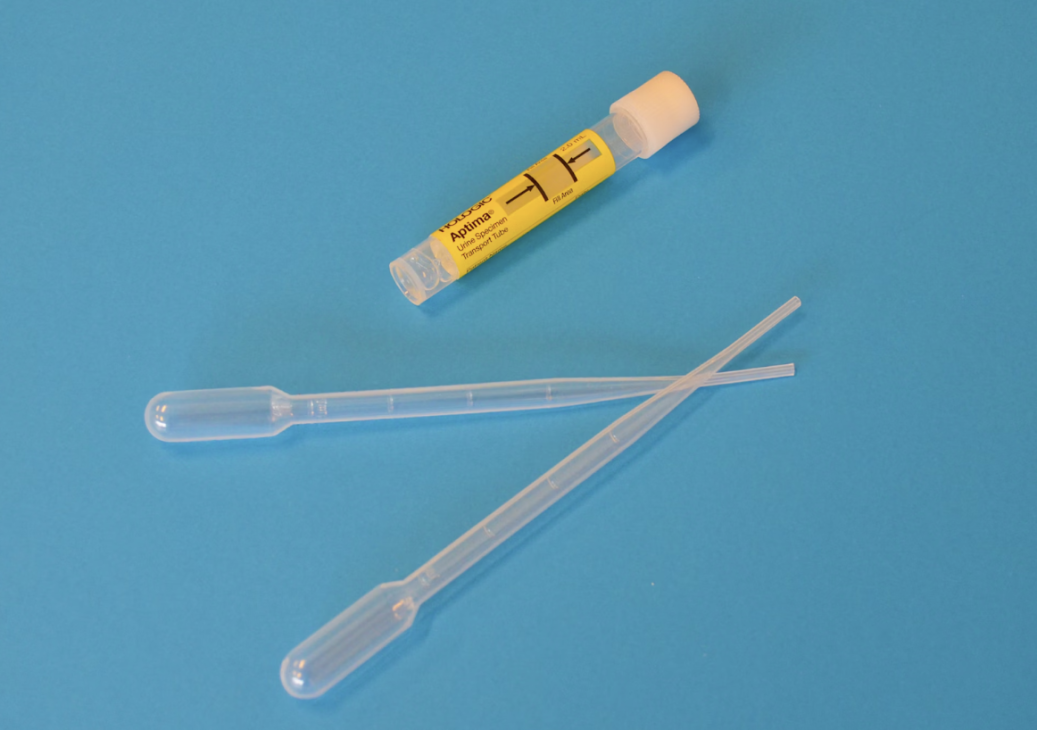
Understanding Synthetic Urine: Uses, Benefits, and Risks
Also known as fake pee, synthetic urine is an artificial substance designed to mimic the composition, chemical properties, color, smell, and foaming characteristics of human urine. Synthetic urine has a variety of legitimate and controversial uses spanning scientific research, medical device calibration, personal care product testing, and attempting to beat drug screenings.
What is Synthetic Urine?
Synthetic urine consists of a water-based solution containing a balanced mixture of essential organic and inorganic compounds found in normal human urine. Through precise ingredient proportions and pH standardization, synthetic formulas match the properties of natural urine very convincingly.
Composition of Synthetic Urine
The composition of synthetic urine is carefully formulated to mimic the key components of natural urine. These include:
- Water: The main liquid base and solvent make up over 90% of urine content.
- Urea: The chief organic solute filtered from blood plasma as a waste product of protein metabolism that defines urine’s crucial chemical properties.
- Creatinine: An amino acid byproduct from muscles equalizing density.
- Uric Acid: A chemical naturally filtered by kidneys discarded as a breakdown component of protein digestion.
- Inorganic Salts: Various dissolved ionic mineral components like sulfates and phosphates are largely responsible for the electrolytic conductivity allowing detailed laboratory urinalysis.
- pH and Specific Gravity Adjusters: Added compounds that regulate acidity and particulate density matching human ranges.
By emulating urine’s intrinsic biochemical signature, synthetic formulas convincingly satisfy analysis techniques like smell, colorimetry, ionization, chromatography, and more for validation under scrutiny.
Uses of Synthetic Urine
Synthetic urine serves various functions across sectors:
Scientific Research
In professional laboratories, synthetic human urine assists biomedical studies exploring filtration mechanisms, toxin processing, contamination risks, or diseases impacting the urinary tract. The consistent chemical composition improves experimental accuracy over fluctuating human samples.
Calibration of Medical Equipment
Synthetic urine plays a vital role in enabling medical device manufacturers to calibrate urinalysis machines, urine test strips, and diagnostic biomarkers during research and development by providing an inexhaustible supply of validation samples proven to mimic human urine precisely. This expedites bringing lifesaving clinical tools to market.
Development of Personal Care Products
The makers of diverse urine-related products including diapers, stoma bags, catheters, and cleaning agents rely on synthetic urine when assessing and optimizing absorption dynamics, spill resistance, fluid flow characteristics, odor control, and cleaning effectiveness during R&D by using an ideal test medium.
Drug Testing
Both ethically and controversially, synthetic pee can assist individuals tasked with providing genuine urine samples to pass mandatory drug tests. When formulated convincingly, synthetic replacements allow producing negative test results temporarily avoiding punitive sanctions or access restrictions pending sobriety. However, this remains morally and legally disputed.
How is Synthetic Urine Made?
While the exact manufacturing process varies between companies, chemists typically formulate synthetic pee in a few key stages:
Chemical Formulation
Chemists first reference scientific urinalysis research documenting the exact innates found within human urine encompassing color, odor, density, and critical chemical signatures down to precise concentrations and acidic/base readings.
Quality Control
Formulas then undergo rigorous validation testing measuring outputs against original biochemical analysis benchmarks using processes like gas chromatography and mass spectrometry ensuring the simulation matches genuine urine’s intricacies before market release.
Packaging and Storage
To maintain sample integrity, synthetic urine solutions fill sturdy leak-proof containers approved for human biological materials and ship in insulated packaging with ice packs or heat packs depending on climate. Recommended storage stays around body temperature.
Creating useful, marketable synthetic urine takes extensive scientific rigor and quality control to satisfy medical expectations. This conviction to match intricacies allows applications to serve both good and questionable intent. When the purpose demands submitting deception-free urine on-demand, devices like The Urinator prove essential to success.
Benefits of Synthetic Urine
When deployed ethically, consistent, pure synthetic urine offers benefits unmatched by unstable human samples.
Consistency and Reliability
Human urine composition fluctuates with hydration levels, health status, and diet. But properly formulated synthetic urine delivers samples with full control over each chemical constituent’s precision down to parts per million.
Controlled Composition
While human urine can contain traces of medications, drugs, or disease biomarkers skewing results, synthetic formulas omit confounding inputs allowing isolation of only target compounds during controlled experiments.
Synthetic chemistry grants scientists an unlimited supply of consistently constituted pseudo-urine containing or lacking specific markers supporting medical insights ultimately improving patient care, device functionality, and product engineering often impossible through inconsistent human samples. However, the technology also enables harm, mandating updated governance.
Ethical and Legal Considerations
The unlawful use of synthetic urine triggers heated ethical disputes and intensifying legal crackdowns:
Risks and Controversies Surrounding Synthetic Urine
Submission of synthetic urine samples during medical testing or workplace mandatory drug screenings deceives systems designed to detect dangerous underlying conditions or uphold community safety standards. Yet prohibitions encroach on personal freedoms. Viable middle grounds balancing empathy, privacy, and welfare remain hotly debated.
Legal Implications
As of 2023, 18 US states criminally prosecute those submitting or merely possessing synthetic urine if intended to defraud drug tests. Penalties include fines up to $10k and multi-year imprisonment resulting in permanent criminal records limiting socioeconomic prospects long-term. The legality landscape continues shifting.
Ethical Concerns
Lying for expedience often conflicts with collective well-being, although judgment seldom proves clear-cut accounting for personal circumstances and inequitable conditions prompting deception. More dialogue around ethical frameworks matching modern technologies could offer paths forward.
Health Risks
While synthetic urine itself when properly formulated poses negligible health risks compared to alternatives, related practices like overhydration or sample temperature manipulation can have dangerous physical consequences if mishandled by non-experts. Bypassing rightful drug screens postpones necessary interventions.
Technology simplifying deception amplifies societal challenges. Yet restrictive bans on tools also used for good beg exploration of nuanced governance appreciating concerns all sides share over rights, health, and morals.
The Future of Synthetic Urine
As detection methodology and regulation evolve, so will synthetic urine products and applications:
Advances in Synthetic Urine Formulation
Suppliers now enhance formulas with proprietary masking agents and never-before-seen biomarkers to outpace drug screeners’ chemical detection capabilities and third-party validity assessments. An escalating “arms race” pits each side’s scientific creativity against the other.
Enhanced Detection Methods
In response, testing facilities implement advanced spectrometry tools identifying markers of dilution or adulteration down to parts per billion against urinary profiles. Algorithmic analysis assesses globulin complexity identifying true vs synthetic sources. Wide adoption could increase costs and false positives.
Broader Applications
Looking beyond scientific circumvention, emerging mainstream functions for quality synthetic urine encompass green fertilization of crops, hydrating cosmetic masks, developing liquid-repellent textile treatments, manufacturing human growth hormone natively, and sustainably sourcing raw urea. Innovation brings progress through unforeseen paths.
Conclusion
Synthetic urine technology crystallizes scientific capabilities to reconstruct intricate biological outputs combined with moral obligations ensuring ethical applications benefiting humanity. While controversy rightfully swirls around issues of truth and control, open-minded governance and constructive dialogue focusing on mutual understanding over unilateral dominion offer paths where both enterprise and ethics find balanced footing. Advancements demand nuance. With compassion and creativity, even societies’ trickiest crossroads can reveal unanticipated roads to progress.


