
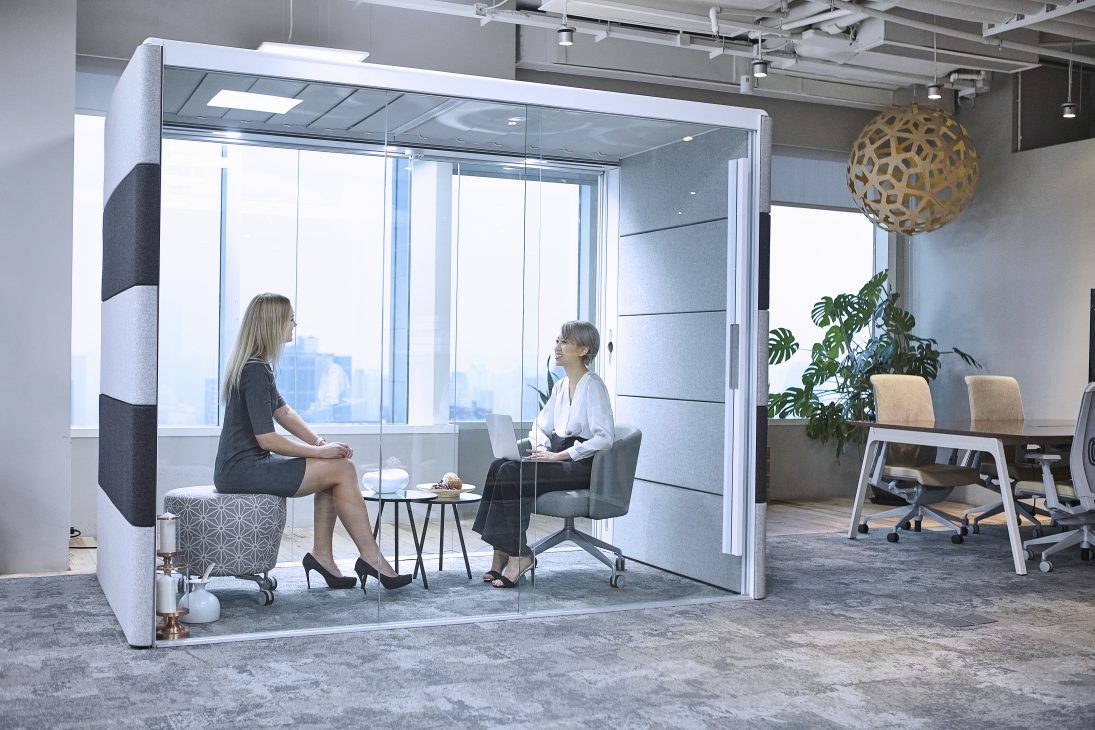
The modern office environment now uses meeting pods
By Becca Hunt
The design of offices undergoes rapid transformation at present. The traditional boardroom setup with formal furniture and strict organizational structure gives way to adaptable meeting pods which create a more human-centered environment. These self-contained meeting spaces which were initially viewed as experimental have evolved into fundamental tools for team collaboration.
I visited a Manchester office where I saw the first meeting pod but I thought it was just a decorative item. The uninterrupted hour of focused discussion in that space transformed my perception about the value of pods. The modern office environment has undergone a fundamental change because meeting pods now serve as more than decorative elements while they create new methods for team communication and relationship building.
Why Enclosed Spaces Work
The design success of these spaces stems from their psychological impact. The enclosed environment creates psychological safety which enables people to freely express their thoughts and share their ideas. The design of pods eliminates all traces of hierarchy because they provide a flat and casual space where everyone has an equal opportunity to contribute. The natural process of using pods for brief discussions becomes more convenient than scheduling large conference rooms.
Acoustic and Comfort Advantages
The acoustic insulation features of modern office meeting pods include foam layers and fabric and air gaps which block outside noise and maintain privacy. The Loop Pod and Nook Pod represent the latest pod designs which incorporate advanced ventilation systems that maintain fresh air quality and stable temperatures.
Flexibility and Efficiency
The modular design of pods allows them to move between different floor plans while adapting to changing office layouts. The different pod sizes accommodate various meeting needs from HR sessions to brainstorming activities for small and large groups. The small design of these spaces leads to shorter meetings because participants stay focused until they reach decisions before moving on to other tasks.
Tech Integration and Cost Savings
The current generation of pods includes built-in screens and wireless charging capabilities and video conferencing functionality through seamless integration. The pods function as an ideal solution for teams that operate between office and remote work environments. The initial investment for pods leads to a 60-70% reduction in construction expenses for new meeting rooms while also providing portability during company relocations.
Cultural and Design Impact
The implementation of pods creates equal access to meeting areas for all employees. The design enables all staff members from entry-level to senior executives to participate in collaborative work without restrictions. The design elements of pods include premium materials and soft lighting and careful craftsmanship which transform them into attractive design elements rather than secondary considerations.
The Future of Collaboration
The implementation of meeting pods marks a new direction for workplace collaboration which combines flexible spaces with inclusive environments and technological advancements. The new meeting spaces based on pods do not aim to eliminate traditional meeting rooms but instead redefine the standards for productive meeting areas.
Meeting pods represent more than just another office trend. They’re responding to genuine changes in how we work, collaborate, and communicate. The shift toward hybrid work, the need for flexible spaces, the recognition that one-size-fits-all meeting rooms don’t actually fit all situations.


