I Started HRT at 39: The Truth No One Warns You About
I Thought I Was Losing Myself — The Real Reason I Started HRT at 39 – By Sandra Blare
At 38, I was convinced I was going crazy.
I could lock my keys in the fridge, snap at my kids and spend an extra 10 minutes trying to find my words.
While the craziness of our modern life and the never-ending responsibilities of work and family often feel overwhelming and unlike anything we’ve ever experienced.
I always assumed it was just part of the package deal of modern adulthood, and that struggling to get through the day was simply part of growing older.
But the tiredness was different. There was this undercurrent of low-grade anxiety that I wasn’t quite sure how to manage. And decisions felt a whole lot harder.
Permanent changes in the body that women are experiencing in these post-reproductive years are not being taught to them, and are being noticed by more and more doctors in clinical practice.
You are not alone. These changes are happening to millions of women worldwide, and you are not alone in feeling like a stranger in your own body.
Conversations like this are becoming more common, and at Bounce Magazine we regularly explore real stories and expert-backed advice in our health and wellbeing section, helping women understand what’s happening in their bodies and how to take back control.
What is Perimenopause? The ‘Flickering Light Switch’ No One Warned Me About
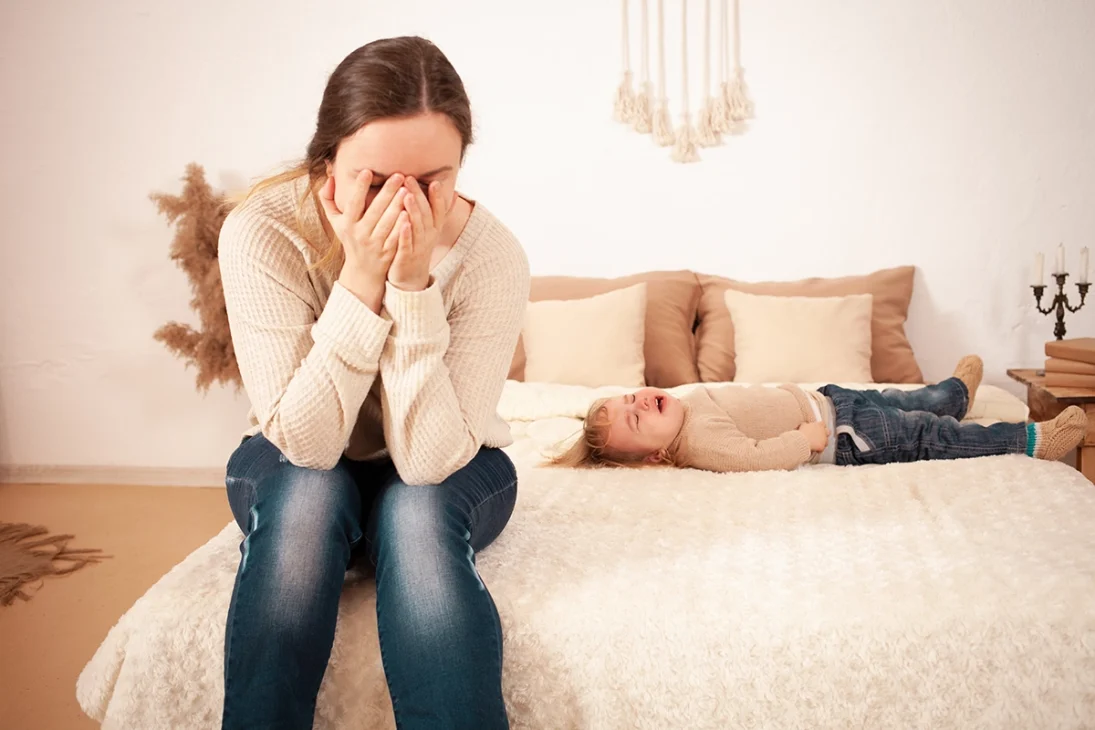
I felt like I was a terrible mother and partner, that I was failing as a person and that I was completely losing my mind. I believed I was experiencing symptoms of depression, anxiety, and insomnia because I was just generally inadequate.
As a mum, this emotional shift affected not just me, but my whole family dynamic, something many parents quietly struggle with while trying to maintain balance in everyday family life and responsibilities.
I knew hormones shifted during puberty and menopause, but transitioning into adulthood in your 30s wasn’t exactly on the radar.
Spoiler alert: I wasn’t failing. My hormones were failing. Realizing that my bodily issues had names, and that there might be a solution, made the entire world of difference.
The thought of going on Hormone Replacement Therapy (HRT) at the ripe age of 39? Terrifying. The thought of carrying on as I was? More terrifying still. This is my truth: my journey through the ups and downs of hormone issues, from fog of confusion to shining light of understanding.
What is Perimenopause? The ‘Flickering Light Switch’ No One Warned Me About
My only understanding of menopause was that it is this thing that happens to women around the age of 50 and you get hot flashes and you no longer get your period.
And then menopause came to visit me when I was 39 years old. What I learned was that I wasn’t menopausal at 39, I was perimenopausal, and that this phase had started many years before.
Menopause literally means “around menopause.” I like to think of this stage of life as the 5-to-10-year hormonal transition period before menopause actually hits, and you’re officially period-free.
This is the time when estrogen and progesterone hormone levels plummet in a way that can feel completely uncontrollable. Imagine it like a light switch. It’s no longer fully off, but it’s also no longer on fully in a stable way either, and everything in your body and mind goes haywire.
And then there were the symptoms. Again, not what I expected, but after learning more about the effects of hormonal changes during menopause — aka hot flashes — I began to realize my own laundry list of stress and aging issues were also characteristic of the condition.
Like suddenly feeling panicked or irrationally angry. Apparently that wasn’t just a crazy woman thing. Here are some of the common symptoms women experience:
- Joint pain and body aches
- Heart palpitations
- A feeling of inner vibrating or unexplained anxiety
- Sudden low moods or fits of rage
- Dry skin, eyes, and hair
- Waking up like clockwork between 3 and 4 a.m.
When I looked at this list, it was an “aha moment” for me. Realising that every single one of these symptoms was somehow related to my body experiencing an allergic reaction made sense when I looked back at my life.
How to Talk to Your Doctor (Without Being Told You’re Just Stressed)
The key is to become a warrior, and what is the best weapon? Data. So before my appointment I started writing in a journal tracking my body symptoms, including when I was feeling them, how bad the feeling was and how the symptoms were affecting my life.
Instead of complaining of fatigue, I could instead report that in the past month I’ve woken up from sleep at 3 a.m. on 18 out of 30 nights, and as a result feel really tired during the day and feel pretty miserable during the day because of the tiredness.
You might be tempted to ask for a hormone test. Here’s why: A blood test to diagnose perimenopause is usually unnecessary for most women. The hormones that fluctuate during perimenopause can change on a daily basis so a blood test that measures hormone levels at one point in time in no way reflects the hormone fluctuations occurring on a daily basis.
Your symptoms and the log you keep of them are much more important and helpful to your doctor. Your doctor will use your log to help determine that your symptoms are not just occurring once in a while but are happening frequently and therefore not just a one time thing.
By the time I had about a month and a half of notes, I felt empowered to take the lead in our conversations.
I wasn’t saying I thought I had perimenopause; I was saying could it be? Which meant we could work together instead of me diagnosing myself.
It was a way to bypass the reflexive “You must just be stressed out” and actually have a meaningful conversation about what was going on with my body and what might be able to do about it—a conversation I’d been trying to avoid.

Why I Was Terrified of HRT
When my doc suggested I try the Hormone Replacement Therapy I felt a pit in my stomach. My mind started to race and all of the terrible reports about breast cancer and blood clots came flooding in. The negative effects years down the line started to replay and the idea of making such a huge permanent change felt too much to handle.
Your physician probably told you that hormones are bad because of the Women’s Health Initiative (WHI) study from 2002. The WHI study found that women who began taking synthetic hormones in middle age — typically in their 60s, years after menopause — were more likely to develop blood clots, breast cancer, heart attack and stroke. Now, while all that sounds awful, beginning hormone replacement therapy (HRT) in middle age to treat menopausal symptoms is quite different than beginning HRT in your 40s.
So much has changed. They do not prescribe hormone compounds that are made from outdated versions of outdated hormonal pathways. They prescribe body-identical hormones derived from plants and have the exact same molecular structure and configuration as the hormones our bodies make. What a world of difference!
Hormonal health is deeply connected to our wider lifestyle, energy levels, and emotional wellbeing, something I’ve come to understand more through both personal experience and the stories we share at Bounce Magazine.
The First Month on HRT
Last week I added my first estrogen patch to the mix and was waiting for that typical lightning bolt experience: suddenly feeling my old self again.
So the answer to “how long will HRT take to work?” is nothing like a light switch – it’s more like a slow-rising dawn that slowly brings more and more light as the minutes go by.
My first two weeks with hormone replacement therapy (HRT) brought with them a few less than lovely visitors. I have blown up like a balloon and am extremely breast tender – a feeling that I haven’t experienced since my teen years.
I’ve spent several days wondering if I’ve made a terrible mistake, but everything I’m reading is saying that this part of the journey is completely normal. Apparently my body just needs to adjust to the new hormone levels, and all of these symptoms should clear up on their own within a couple of weeks.

What happened
The real magic didn’t appear in a flash of smoke or with a loud bang, but with a mere whisper. Around week three, I realized that for the third consecutive night, I’d actually slept all the way through until morning. That the angry sizzle that seemed to permanently live at the back of my throat had finally receded?
That wasn’t exactly happiness that I’d experienced. It was just stability – the absence of worst awfuls that suddenly made me able to tell that the medication was having an effect.
At Bounce Magazine, we regularly test and review wellness products designed to support women’s health in our honest reviews section, helping readers make informed decisions.
A month into my food journey I’m not “fixed” yet – but I’m definitely on the right road.
So four weeks in the new world has been about:
a) finding the right balance of food for my new body (working it all out is very confusing – especially as everyone has an opinion on what’s “right”)
b) allowing time to readjust to life.
Now I’m beginning to notice a host of other really interesting and amazing shifts taking place – all slowly, but all arriving, which is fab.
The Unspoken Changes: How HRT Actually Affected Me
The biggest change wasn’t really that physical. The perpetual hum of worry and the constant hot-head rage and quick anger ceased to exist as did my constant annoyance and defensiveness at the drop of a pin.
My doctor explained to me how estrogen is mood stabilizing. It’s not about feeling “happy” it’s more about creating hormonal balance so your brain isn’t constantly fighting an active weather alert type situation. This hormonal balance also felt to me like my emotional responses were my own instead of being constantly on high alert due to symptoms.
A bit of peace of mind had become available to me and I began to notice the effects of balanced hormones not only internally but also in the mirror. I had been suffering with stressed, dry, wrinkled skin for a couple of years. I complained that I was stressed out which certainly didn’t help but also that I was aging (yup I thought that was just my evil skin genes at play).
Having no idea how my new HRT estrogen level was interacting with collagen — that wonderful protein in our skin that keeps us from becoming plastic-like—my skin slowly transformed to resemble itself from years before. No need for cosmetic surgery in my book.
Hormones play a huge role in skin health, which is why we also cover expert insights and product recommendations in our hair and beauty section, focusing on how internal health reflects externally.
You want to know about belly fat? Here is the million dollar question everyone has. HRT and Belly Fat So as we discussed a lot in part 1 – when estrogen levels begin to drop, the body receives a new set of signals about how to store fat.
Is It Forever?
My other worry was that I was locking myself into hormone replacement therapy (HRT) for the rest of my life. My doctor pretty much dismissed this worry right away, explaining that choosing to go on HRT isn’t a permanent or all or nothing decision.
Instead, it’s more of a conversation you have with yourself and your healthcare provider every year. You weigh the pros and cons: Is the hormone therapy still having a profoundly positive impact on my life? And do the potential negative long term effects of taking hormones outweigh the benefits I’m receiving from them. Knowing that this is an annual discussion has really helped to alleviate some of the concerns I have about being on hormones.
After my hot flashes and mood swings disappeared, the fatigue lingered. My doctor mentioned a hormone we often associate with men: testosterone. Turns out testosterone therapy for women is not uncommon and can help alleviate fatigue, improve focus and libido. A small dose of testosterone made me feel like the spark plug of my body was finally switched back on and my energy and motivation are here to stay.
Your First Step to Feeling Like Yourself Again
If this resonates with you: Well, thank God you have finally landed here. You now have an explanation for what is happening, and an education for yourself. Your suffering is no longer personal. You are no longer a victim, fighting a mysterious force.
You are evolving into an advocate and self leader. The first step to every journey is always about moving from the unclear to the clear. You are no longer someone who endures your experiences, but someone with choice, power and hope.
The next step isn’t about making a huge decision; it’s about gathering your personal information. Here is a simple plan to begin:
- Track Your Symptoms: For two weeks, note how you feel—physically and emotionally. Brain fog, anxiety, and joint pain all count.
- Find a Knowledgeable Doctor: Look for a NAMS-certified practitioner or ask in community groups for recommendations in your area.
- Start the Conversation: Go to your appointment with your symptom list and ask the simple question, “Could this be perimenopause?”
I’m advocating for my personal journey, really learning to be an advocate for myself, and understanding that my journey matters because fundamentally, your experience does matter.
Every detail of what it’s like to start hormones in your late 30s or figure out how to broach the topic of perimenopause with your primary care doctor does in fact matter, but only because of this fundamental fact: Your experience is real. Your experience is valid. You are you. And you should be able to feel that.
If you’re beginning your own journey, you can also explore more expert-backed wellness advice and real-life experiences in our women’s health and wellness articles, where we share honest conversations about topics often overlooked.