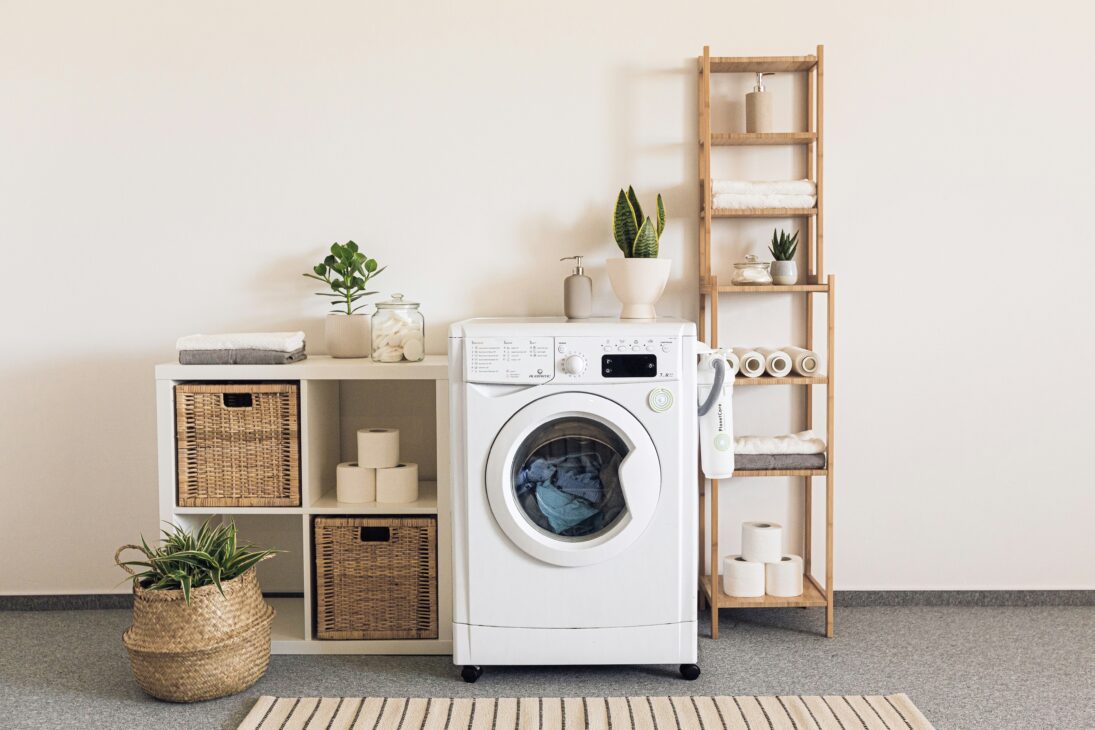
8 Appliance Features Worth Paying Attention to When Shopping Online in Ireland
Appliance features Ireland: Online appliance shopping sounds simple until you’re standing in your kitchen with a fridge that doesn’t fit the alcove, or a washing machine that sounds like a helicopter at 11pm. Ireland’s online retail market has grown enormously, and the product listings have got more detailed – but they still don’t do the work of thinking for you.
These are the 8 appliance features worth paying attention to when shopping online in Ireland, so you don’t end up with buyer’s remorse before the packaging hits the bin.
1. Energy Rating
Ireland’s electricity prices rank among the highest in Europe, so the energy rating on any appliance matters – it’s a long-term cost. Many shoppers focus on the upfront price and ignore what the appliance will cost to run over five or ten years. That’s a mistake. If you plan to buy De’Longhi appliances in Ireland, as with any brand, check the EU energy label carefully. The scale now runs from A (most efficient) to G, following a 2021 revision that rescaled the old A+++ system, so an appliance rated B today is genuinely cost-effective. A fridge freezer you run continuously will generate more savings from a better energy rating than a kettle you boil twice a day, so weigh the rating against how often you’ll use the appliance.
2. Exact Dimensions – Not Just Approximate Ones
Product listings typically show dimensions as Height x Width x Depth, and that seems straightforward until you realise the depth figure leaves out the door handle, hinge clearance, and the ventilation gap required behind the unit. Read the installation requirements section, not just the dimensions box. Standard Irish kitchen units run 60cm wide, but alcove depths vary a lot, particularly in older houses and apartments. Download the installation guide if one’s available. Check that the door swings in a direction that clears your cupboard or island. A few centimetres of inaccuracy at the spec stage turns into a genuine headache on delivery day.
3. Noise Level, Listed in Decibels
Noise ratings appear on plenty of appliance listings, but most shoppers scroll straight past them. For a dishwasher in an open-plan kitchen, the gap between 44dB and 52dB is real, you’ll hear it during a phone call or over the television. Spin speed matters for washing machines too: a 1600rpm cycle pulls out more water but tends to produce more vibration than a 1400rpm one. If you’re in an apartment, or your utility room shares a wall with a bedroom, noise levels should sit near the top of your checklist. Manufacturers measure noise under controlled lab conditions, so treat any published figure as a best-case result rather than a promise.
4. Warranty Length and What It Actually Covers
A two-year warranty and a five-year warranty are not the same thing, and not all warranties cover the same faults. Standard EU consumer rights give you a two-year minimum statutory guarantee across Ireland, but many premium appliances come with extended manufacturer warranties – sometimes up to ten years on the motor or compressor. Read what the warranty covers. Some cover parts only; others cover parts and labour; some require you to register the appliance within 30 days or the extended cover lapses. Check whether the after-sales service operates in Ireland or whether you’d need to ship a part from abroad. That distinction matters more than it sounds.
5. Delivery and Installation Options
Shopping online means delivery can be unpredictable. Some retailers drop appliances at your front door only; others carry them to the room of your choice and take away the old unit. If you’re on a third-floor flat with no lift, a “doorstep delivery” listing is a serious issue. Check whether installation is included or billed separately. Gas cookers in particular require a registered gas installer for connection, and not every retailer arranges that on your behalf. Delivery times vary across the country: next-day service is common in the Greater Dublin Area, but addresses in rural Connacht or Kerry can see two to three working day lead times. Confirm all delivery terms before anything goes into your basket.
6. Compatibility with Irish Water Pressure and Voltage
This one catches people out more often than you’d expect. Appliances sold across the EU are built for European voltage (220 to 240V), so that’s rarely an issue. But water pressure is. Ireland has areas with notoriously low water pressure, particularly in rural zones and older urban housing stock. Some washing machines, dishwashers, and combi boilers specify a minimum water pressure to operate correctly. If your home runs below that threshold, the appliance will either fail to fill properly or trigger an error code repeatedly. Check the product’s minimum water inlet pressure in the technical specification tab, and compare it against your home’s actual supply if you’ve ever had pressure issues.
7. Capacity vs. Your Actual Usage
Bigger isn’t always better, and smaller isn’t always cheaper to run. A 10kg washing machine drum burns more energy and water on a half-load than a 7kg machine running full. The right capacity comes down to your household size and your actual washing habits: a family of four doing two full loads a week will benefit from a larger drum, but a single person running one small load mid-week is better off with a compact model. That same thinking applies to fridge volume, dishwasher place settings, and tumble dryer drum size. Consider what you’ll realistically put in the appliance on a normal day, not the busiest week you had back in December.
8. Smart Features You’ll Use – Versus Ones You Won’t
App connectivity, delayed start timers, and voice assistant compatibility are now standard on mid-range and premium appliances. Some of these features are genuinely useful. A washing machine with a delayed start lets you run a cycle overnight on a cheaper electricity tariff, relevant if you’re on a smart meter plan. An oven with remote preheat can save twenty minutes on a Tuesday evening. But a fridge with a built-in camera you access through a phone app? Most people check it twice and never touch it again. Prioritise smart features that fix a specific problem in your day-to-day routine. Extra technology adds cost, adds moving parts, and adds components that can eventually fail.
Conclusion
Buying appliances online in Ireland opens up a far wider range than any physical shop floor, but the listing page only tells part of the story. Check the energy rating and running costs before the sticker price, confirm exact dimensions including clearances, and read the warranty small print rather than assuming it covers everything. Noise levels, water pressure compatibility, and smart functions are all worth five minutes of research before you commit. The appliances that last and genuinely earn their place in your home are the ones you picked with the full picture in front of you, not just the headline spec.