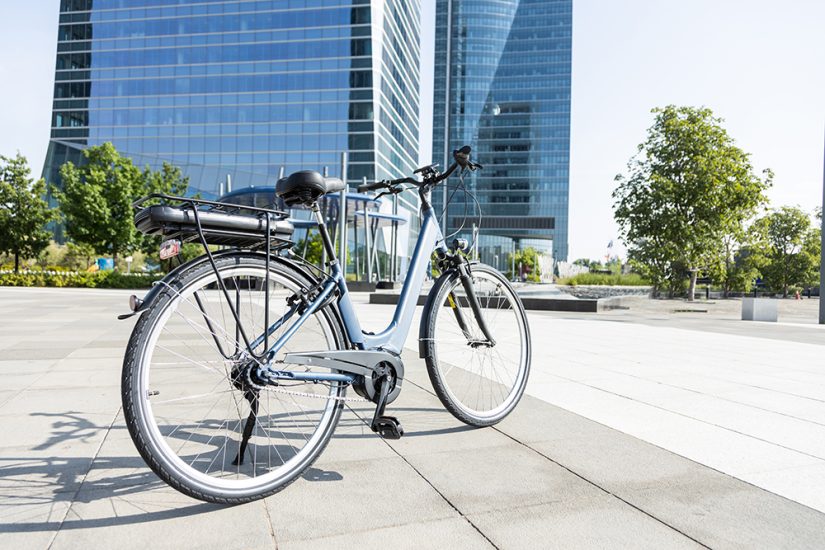
Are Electric Bikes Legal in the UK?
The number of electric bike users in the UK continues to grow as a popular transportation choice throughout each succeeding year. People now choose an e bike for their daily trips to work and their shopping needs and their rural exploration adventures because these vehicles offer environmentally friendly transportation at budget-friendly prices.
But a big question remains:
Are electric bikes legal in the UK?
Let’s break down all information into simple language which everyone can understand. The guide will provide you with complete information about electric bike laws in the UK along with proper safety guidelines for riding on public roads.
What is an Electric Bike (EAPC)?
We need to establish the legal definition of an electric bike before we proceed with the legal aspects.
The UK uses “Electrically Assisted Pedal Cycle” (EAPC) as its authorized name for these vehicles. The law requires your e bike to fulfill three essential criteria for it to be considered legal.
- Pedals must be present and used for propulsion.
- The electric motor must only assist when you’re pedaling (not when you’re stationary or coasting).
- The motor must have a maximum output of 250 watts.
- The motor assistance must be cut off when the bike reaches 15.5 mph (25 km/h).
If your bike ticks all these boxes, it’s legal for road use in the UK and you don’t need a licence, insurance, or vehicle tax.
Are e bikes Road Legal in the UK?
Yes, as long as your electric bike meets the EAPC criteria, it is 100% legal to use on public roads, cycle lanes, and shared-use paths.
Once compliant, you can:
- Ride without a licence
- Avoid vehicle tax, MOTs, and insurance
- Use cycle lanes and bike paths
- Wear a helmet voluntarily (though it’s highly recommended)
Essentially, it’s treated just like a traditional bicycle. That’s the beauty of EAPCs.
But beware: if your e bike doesn’t meet the EAPC requirements, the law changes drastically.
When Does an Electric Bike Become a Motor Vehicle?
This is where many riders unknowingly get into trouble.
If your electric bike:
- Goes faster than 15.5 mph with motor assistance
- Has a motor over 250 watts
- Can be ridden without pedaling (throttle-only)
Then it’s no longer an EAPC.
Instead, it becomes legally classified as a moped or motorcycle, even if it looks like a bicycle.
And that means:
- You must have a valid driving licence
- The bike must be registered with the DVLA
- You’ll need insurance and road tax
- You must wear a helmet
- It will likely require an MOT
So, even a small modification could turn your road-legal e bike into an illegal motor vehicle.
What About Electric Scooters and Throttle-Only e bikes?
This is a hot legal grey area in the UK.
Electric Scooters
The current law prohibits private electric scooter users from operating their vehicles on public roads and pavements except when they participate in authorized government testing programs. Riding these vehicles without permission will lead to receiving traffic penalties which include both financial penalties and license points.
Throttle-Only e bikes
Since 2016, UK law has limited throttle use:
- A throttle can assist up to 4 mph without pedaling (like a walking aid).
- Any faster than 4 mph? Then pedaling must be required for assistance.
The operation of a bike with full-throttle mode exceeding this limit requires moped registration and owners must obtain licenses and pay taxes and insurance premiums.
People should exercise caution when purchasing used or foreign-made e bikes because these products could appear compliant with UK regulations yet actually break domestic laws.
Who Can Ride an Electric Bike in the UK?
Here are the basic legal requirements for riding an EAPC in the UK:
- Minimum age: 14 years old
- No driving licence required
- No insurance needed
If you’re under 14, even riding a legal EAPC is prohibited. Getting caught could mean fines or penalties for you or your parents.
Can You Modify Your e bike?
Tempted to remove the speed limiter? Don’t do it.
The law prohibits anyone under 14 years old from operating an EAPC even when they use it in a legal manner. The discovery of your actions would result in financial penalties which could affect both you and your family members.
If caught:
- Your bike may be confiscated
- You could face fines
- You may be prosecuted for riding without a licence or insurance
So keep your bike stock and compliant. It’s safer and keeps you out of legal trouble.
Where Can You Ride an Electric Bike?
As long as your e bike qualifies as an EAPC, you can ride it on:
- Public roads
- Cycle lanes
- Shared-use paths
- Cycle tracks
You cannot ride it:
- On footpaths or pavements (unless clearly marked for bikes)
- On motorways
- In private areas or parks without explicit permission
Always check local signs especially in parks, nature reserves, or historic zones to be sure electric bikes are allowed.
How to Make Sure Your e bike is Legal
Here’s how to avoid buying an illegal e bike:
- Buy from a UK retailer who understands UK laws
- Check the motor — 250W or less
- Confirm speed — motor must cut out at 15.5 mph
- Ensure pedaling is required for motor assistance
- Ask for EAPC certification or CE marking
Buying online or from international sellers? Be extra cautious. Many foreign models exceed UK limits and can’t legally be used here even if the product description says they’re “road-legal”.
Final Thoughts
Electric biking in the UK is not just a trend, it’s a growing part of modern, sustainable travel. But with great convenience comes responsibility.
Stick to an EAPC-compliant bike, and you can:
- Ride freely
- Skip the hassle of insurance or tax
- Avoid legal trouble
- Enjoy green, affordable transport
But the moment you push past the limits whether by modifying your e bike or buying a high-powered model you risk fines, licence penalties, or worse.
Ride smart. Stay legal. And enjoy the journey.