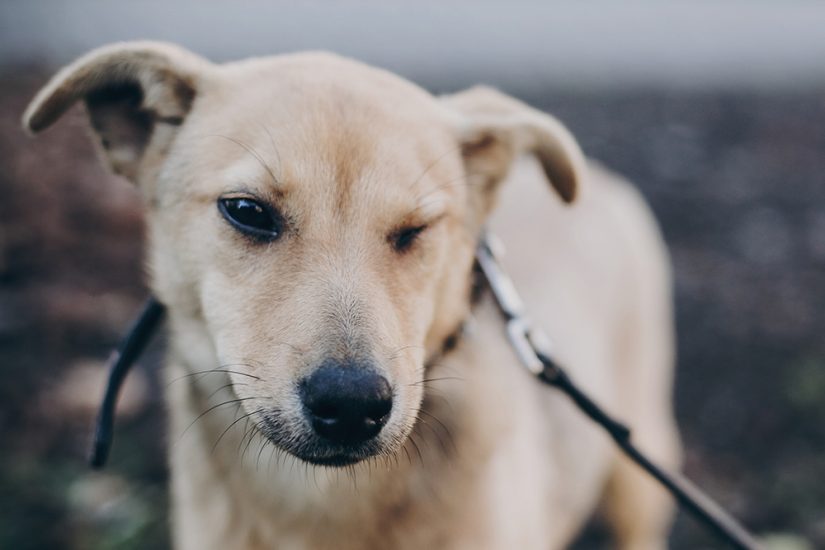
Building Trust With Nervous Dogs After Moving to a New Area
The process of moving to a new location creates stress for all family members including the four dogs in the household. The transition process becomes especially difficult for pets who experience anxiety because they need established routines and familiar environments. The new environment of a different neighbourhood creates uncertainty in dogs because they encounter unfamiliar sounds and smells and visual elements.
The process of helping nervous dogs feel secure in their new environment requires both patience and gentle treatment along with established rules. The transition to a new home causes some dogs to bark more frequently while they hide and display uncertainty when exploring their new environment. Dogs display nervousness through these actions because they represent their typical responses to new situations.
Why Dogs Struggle After Moving Home
Dogs need established routines and familiar environments to maintain their sense of security. Family moves force pets to abandon their established environmental landmarks which they used to understand their daily activities. The transition causes dogs to develop stress reactions even when they were previously confident. The disappearance of familiar smells and sounds and familiar places leads dogs to become confused.
The concept of territory stands as a fundamental element in canine behavioral science. The dogs maintained their territorial boundaries before the move because they felt secure within these areas. The new house fails to provide the same level of ownership protection that dogs once experienced. Dogs need to create an entirely new mental map which creates overwhelming feelings for them. The change in environment causes dogs to become more active while they listen to sounds and refuse to relax.
The process of walking through new areas becomes difficult for dogs to manage. Dogs develop strong mental connections between their regular walking paths and their regular meeting points. The disappearance of familiar walking paths makes their daily routines less predictable. The process of building positive experiences with new walking areas requires a gradual introduction of unfamiliar paths and scent-based activities. The process of transition becomes easier when dogs receive positive reinforcement for staying calm.
Creating Safe Spaces in Your New Home
A designated peaceful area within the new home provides nervous dogs with a space to adapt to their new environment. The designated area should contain personal items which retain familiar scents from the previous residence. The combination of their favorite bed with toys and unwashed blankets helps dogs feel secure through their ability to detect familiar scents. The designated area should be placed in a peaceful section of the house to create a peaceful retreat.
The establishment of regular feeding times and walking schedules helps dogs develop a sense of predictability. Dogs find comfort in established routines so owners should continue to follow their regular mealtimes and walking and playtime schedules at their usual times. The dogs understand that their daily routine remains unchanged even though their location has shifted.
The use of calming products helps dogs who display anxiety symptoms during their transition process. Research studies have produced conflicting results about the effectiveness of pheromone diffusers for anxious dogs. A rescue dog adult dog experienced non-stop pacing after the family relocation. The dog showed visible relaxation after two weeks when a diffuser was placed near their sleeping area with their unwashed bedding.
Some dogs find relief from anxiety through listening to calming music. The specific music playlists with slow tempos which were created for canine relaxation purposes help certain pets decrease their anxious behaviors of anxiety. The snug-fitting wraps serve as a helpful tool for specific dogs according to reports. Owners need to track their dogs’ reactions to these methods because they should consult experts when their dogs show worsening or persistent nervousness.
Scent-Based Comfort Techniques
Scent work provides practical assistance to dogs who experience anxiety because of their relocation. The sense of smell in dogs enables mental focus and strengthens their bond with their new environment. The practice of hiding treats throughout the house enables dogs to use their natural foraging abilities while receiving positive reinforcement for remaining calm. The method involves choosing a preferred treat which you will hide in a corner for your dog to discover.
The presence of familiar scents from the previous home provides essential security to dogs. The familiar scents between old and new homes create a connection that helps nervous pets feel more secure. The owner in Kent used a blanket from their former living room to place in the new dog bed which led to improved resting behavior within several days.
A local trainer in Kent suggests using household scent games for dogs who have recently moved to the area. The strongest sense of dogs enables them to build confidence through scent-based enrichment because they learn that new environments provide reliable rewards. The introduction of scent games for dogs who show hesitation should start with brief training sessions that use high-value treats placed in accessible areas. The method enables dogs to develop positive associations with their new environment by decreasing their avoidance behaviour.
Rebuilding Neighbourhood Confidence
The process of finding peaceful walking paths enables dogs to stay away from overwhelming situations when they first explore their new environment. The process of walking alone through the neighborhood helps dogs discover areas with minimal traffic which leads to safer exploration. The early morning and late evening periods bring less activity to the streets because they lack the noise from traffic and children at play and other dogs.
The process of exposing dogs to local parks should take place during periods when the parks are less crowded. The process of introducing dogs to new green spaces should start with brief visits to small areas that have low traffic before moving to busy dog parks. The woodlands of Kent provide numerous walking trails which create natural barriers to protect dogs from overstimulation compared to traditional open parks.
The process of developing positive associations with new landmarks in the area helps dogs develop feelings of safety in their environment. The combination of outdoor training with high-reward treats creates positive associations that transform challenging locations into reward destinations. The process of giving treats to dogs when they pass by the postbox and park entrance helps them develop positive associations.
Managing Encounters with Local Dogs
The process of building friendly bonds between dogs in your neighborhood stands essential when you relocate to a new area. The process of planned dog introductions proves essential for dogs who experience anxiety. The best location for dog meetings should be a spot that lies outside of their regular home area. The dogs can watch each other from a safe distance when owners walk beside them at a relaxed pace.
The observation of body language in both dogs helps prevent negative interactions from occurring. Dogs display their discomfort through physical signs which include stiff body posture and tail withdrawal and eye avoidance and tense muscles. The dogs need space when these signs appear so owners should either stop the interaction or move farther away. The practice of letting dogs leave or disconnect from each other without any pressure helps decrease their stress levels and prevents negative dog encounters.
The practice of forcing dogs to meet face-to-face while being restrained by a tight leash creates tension between them. Dogs experience more control during their social interactions when owners guide them through parallel walks and provide short periods for mutual sniffing. The method enables dogs to handle their social interactions according to their personal preferences.
Some dogs in your neighbourhood might display intense reactions when they encounter other dogs during the first few weeks after your relocation. The dogs experience this reaction because they have had negative experiences with other dogs in the past or because they feel overwhelmed by their new environment. Owners should seek professional assistance when their dogs display barking or lunging or avoidance behaviours during repeated encounters with other dogs.
Positive Reinforcement Techniques for Anxious Dogs
The training approach of positive reinforcement helps dogs develop trust instead of forcing them to follow rules. The training method of positive reinforcement uses rewards to teach new behaviors while avoiding punishment that creates additional stress. The method works best for dogs who experience high stress levels because of their anxiety.
The clicker training system enables users to identify the exact instant when their dog performs correctly so they can reward them. The click sound indicates the exact instant when the dog performs correctly before receiving a reward. The method provides clear instructions to anxious dogs so they can learn what behaviours are expected of them. The process of teaching basic behaviours in areas with minimal distractions helps dogs build their confidence levels.
The process of counter-conditioning enables dogs to learn new responses for their specific anxiety triggers. The technique links negative triggers to positive experiences during training sessions. The process of teaching dogs to associate high-value treats with distant lorry sounds helps them develop new positive connections. The process of increasing proximity to the feared stimulus while the dog becomes more comfortable will help them overcome their specific fears.