Can Your Home Make You Happier – Or More Stressed?
Lucy Mather, interiors expert at Arighi Bianchi, explains how the spaces we live in quietly shape our wellbeing.
“We talk a lot about self-care, especially in January, but rarely about the environment we practise it in. And yet, the space you wake up in, work from and wind down in every day plays a huge role in how calm, energised – or overwhelmed – you feel.
“Your home isn’t just a backdrop to life. It’s an active influence on your mood, sleep and stress levels. Done well, it can support wellbeing without you noticing. Done badly, it can quietly drain you.
“So, what actually makes the difference?
Natural light isn’t a ‘nice to have’
Daylight affects everything from sleep quality to concentration and mood. Homes that maximise natural light – whether through layout, lighter finishes or sheer window treatments – tend to feel calmer and more energising. Dark, shadowy spaces, on the other hand, can make even a tidy room feel heavy.
Simple fix: keep window dressings light, reflect daylight with mirrors, and avoid blocking windows with bulky furniture.
Calm comes from cohesion, not minimalism
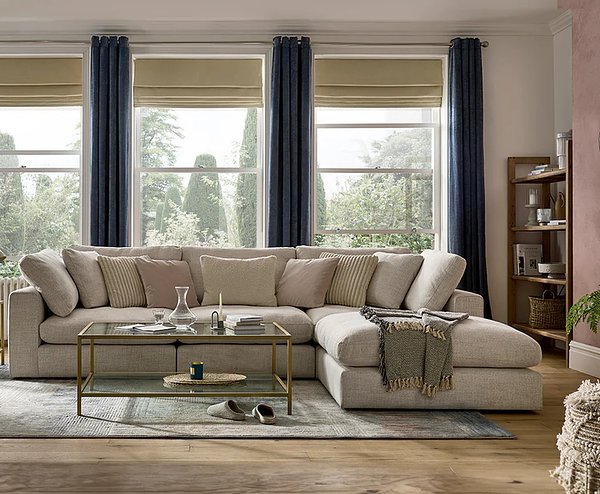
You don’t need to live in a beige box to feel relaxed. Calm interiors are about cohesion – a limited colour palette, materials that work together, and fewer visual “interruptions”.
When everything in a room is competing for attention, your brain never fully switches off.
Simple fix: repeat tones and textures across a space rather than introducing something new in every corner.
Nature works – even in small doses
Plants, timber, stone and woven textures all help soften interiors and make spaces feel more grounding. This connection to nature – known as biophilic design – has been shown to reduce stress and improve focus, even when it’s subtle.
Simple fix: introduce one natural element per room, whether that’s a plant, a wooden side table or linen cushions.
When homes start to undermine wellbeing

Visual clutter is mental clutter
A home that’s constantly messy or overfilled doesn’t just look chaotic – it keeps your mind in a low-level state of alert. Piles of “stuff” represent unfinished tasks, which can make it hard to properly relax.
Honest truth: this isn’t about being tidy for guests. It’s about giving your brain fewer things to process.
Over-designed spaces can feel exhausting
Bold interiors can be brilliant, but there’s a fine line between characterful and overstimulating. Too many patterns, harsh lighting or high-contrast finishes can make a space feel busy rather than cosy – especially in rooms meant for rest.
Simple fix: balance statement pieces with quieter areas for the eye to land.
Noise and lack of privacy matter more than we think
Open-plan living looks great, but without thought to acoustics and retreat spaces, it can feel draining. Constant noise, nowhere to escape, and blurred boundaries between work and rest all add to daily stress.
Simple fix: use rugs, curtains and soft furnishings to absorb sound, and carve out at least one calm, private corner.
The shift away from ‘trends’
There’s a noticeable move away from trend-led interiors towards homes that feel more personal, slower and emotionally supportive. Instead of asking “Is this on trend?”, homeowners are asking “Does this make me feel good?”
Wellbeing-led interiors aren’t about perfection. They’re about:
- spaces that adapt to real life
- rooms that feel restful, not performative
- and homes that support how people actually live now
Your home doesn’t need to be expensive, perfectly styled or trend-forward to support wellbeing. It just needs to be considered.
When a space feels light, calm and easy to live in, it does something quietly powerful: it makes everyday life feel a little lighter too.