Expert Shares 5 Important March Gardening Jobs
With Spring just around the corner, there are plenty of March gardening jobs to be done to protect, prune, and prep plants for the upcoming months. So, gardening expert Paul Parker, from plants and bulbs specialists J. Parker’s, shares 5 important tasks to be completed in March.
Plant dahlia tubers in containers indoors
“Dahlias are popular for their showy blooms and make for a colourful summer display. For the best results, get ahead by potting dahlia tubers in separate containers in March. Although you can wait until late spring and plant your dahlia tubers directly outside, this method will allow you to plant them outside in mid to late May.
Choose a large container with drainage holes so that your dahlia tuber has the space to grow. Fill the pot halfway with any multi-purpose compost and place your tuber inside with the stem pointing to the sky and the tuberous root facing downwards. Cover with more compost, enough so that the stalk is just below soil level. Place your pots on a sunny windowsill or greenhouse, making sure to water every day. When all risks of frost have passed, usually around mid-May, you can move your containers into the garden or dig up and transplant the bulbs into the ground, beds or borders.”
Plant loose-rooted perennials
“There’s plenty of planting that can begin in March, including getting any loose-root perennial plants, such as Agapanthus, Geraniums or Iris, in the ground. Although you can get started planting these perennial plants in March, they won’t fare well in the cold, so they may need some protection from frost using cloches or fleeces if cold weather is forecast.
If you have loose-rooted plants, remember to soak the roots in water for 24 hours to rehydrate the plant and prepare it to go into the ground. After your plants have had a well-needed drink, they are ready to be planted out in the garden.”
Plant bare-root roses
“March and early April is the last opportunity for planting bare-root plants while they are still dormant. Bare-root plants are sold without a pot or soil, so they come as described with their roots exposed. This makes them easier to handle and usually more affordable.
The key to getting your bare-root plants to thrive is timing. Plant them while the plant itself is dormant. Doing this now will allow the rose to establish itself in the ground before its growth resumes in the spring season.
Once you receive your bare root rose plant, give the roots a good soak. And when planting, don’t put them in the ground if the soil is frozen, wait until the frost has thawed.”
Maintain early spring flower bulbs
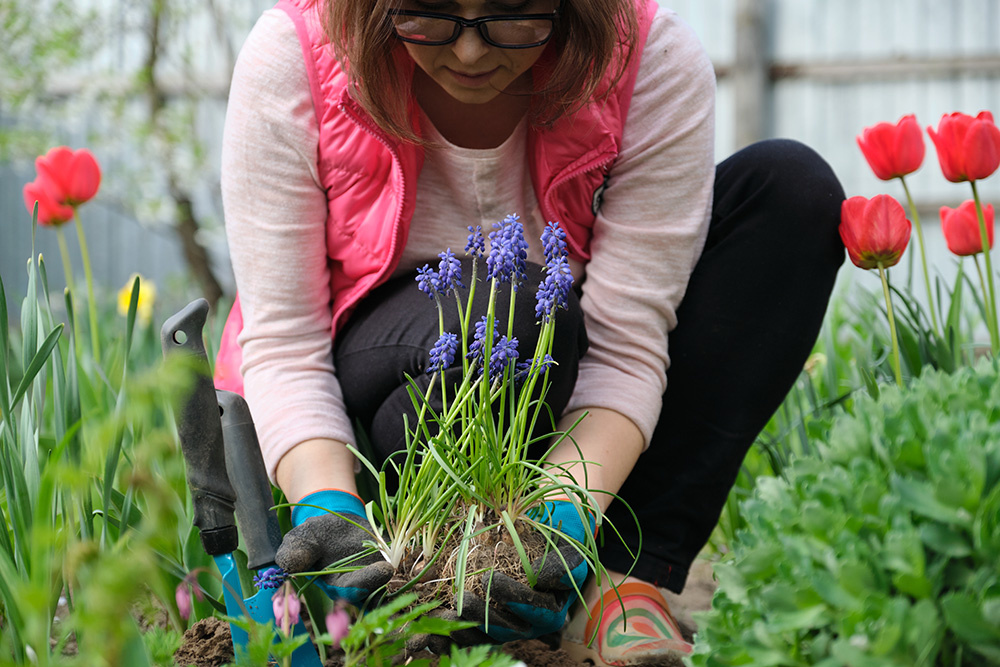
“Now spring is just around the corner, you may notice many varieties of early spring bulbs, such as snowdrops, crocuses, and daffodils, have begun to bloom. To keep them looking healthy and neat throughout the season, you should pick off any developing seed heads.
Avoid removing any dying foliage by letting the foliage die back naturally, the energy from the plant will be pulled back into the bulb to produce a lovely floral display the following year.”
Mulch your borders
“Lastly, don’t forget in March to generously mulch your borders with compost to protect your garden from any final cold winter snaps. Mulching helps keep your plants safe from cold weather by locking in any moisture and heat to protect their roots from frost.
For shrubs such as rhododendrons, azaleas and camellias, it is best to mulch using an ericaceous fertiliser. This is a specialised fertiliser for plants that thrive in acidic conditions to keep them healthy and protected.”