Lymphoma Maintenance and Care: A Guide to Long-Term Health and Recovery
Getting treated for lymphoma is a big part of the journey, but it’s not the end of the road. Even after therapy is finished, patients still need to think about lymphoma maintenance and care.
This part is just as crucial as the initial treatment, because it’s all about stopping the lymphoma from coming back, dealing with any side effects, and making sure the patient can live a happy and healthy life. When patients get the right care, many of them are able to live normal, fulfilling lives, which is really great to see. It’s all about taking care of themselves and managing their health, so they can move on from the treatment phase and focus on the future.
Understanding what maintenance and care involve can help patients stay proactive and confident as they move forward after treatment.
What Is Lymphoma Maintenance Therapy?
Maintenance therapy refers to ongoing treatment given after the initial therapy has successfully controlled or eliminated the cancer. The goal is to keep the disease in remission for as long as possible.
This method is often used for certain kinds of non-Hodgkin lymphoma, particularly the slow-growing types. The maintenance therapy can involve several things, it’s not just one treatment, but a combination of different approaches to help keep the disease under control.
- Low-dose chemotherapy
- Immunotherapy (such as monoclonal antibodies)
- Targeted therapy drugs
These treatments are typically provided at regular intervals, which can be over a few months or even several years, and it really depends on how the patient is doing and how well they respond to the treatment.
Top hospitals, such as Liv Hospital , now offer special plans that are made just for each person, to help reduce bad side effects and make sure the good effects last a long time.
Importance of Regular Follow-Up Care
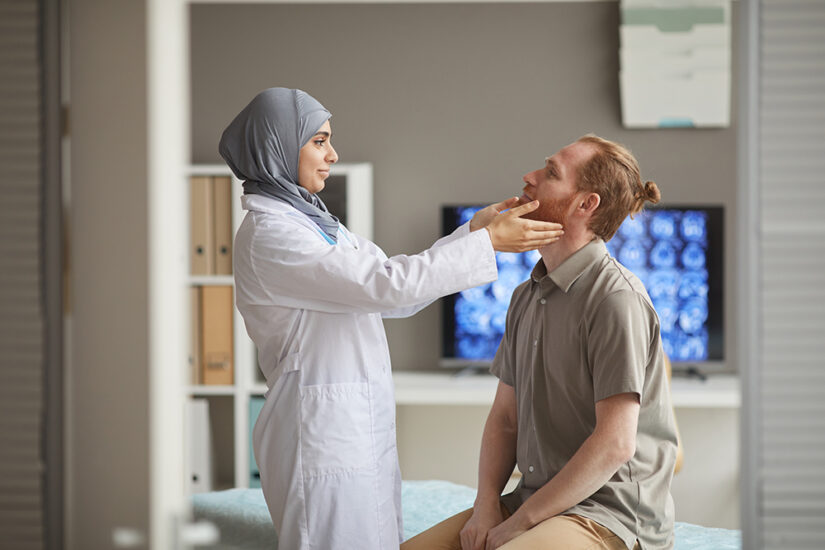
After completing primary treatment, regular follow-up visits are essential. These appointments help doctors monitor recovery and detect any signs of recurrence early.
Follow-up care typically includes:
- Physical examinations
- Blood tests
- Imaging scans such as CT or PET scans
- Monitoring of symptoms
It’s really important to keep going back to the doctor, even if you’re feeling better. Over time, you might not need to go as often, but regular check-ups are crucial for staying healthy in the long run.
Managing Long-Term Side Effects
Some people may have side effects that last a long time or show up later, even after they’re done with treatment. The kind of treatment they had can affect what these side effects are.
Common long-term effects include:
- Fatigue and reduced energy levels
- Weakened immune system
- Hormonal changes
- Nerve damage (neuropathy)
- Risk of secondary cancers
To deal with these effects, patients usually need a mix of medical help and changes to their daily habits. Doctors might suggest taking medicine, doing physical therapy, or getting advice on healthy eating to help patients manage their condition effectively.
Strengthening the Immune System
Since lymphoma and its treatments can weaken the immune system, rebuilding immunity is a key part of maintenance care.
Patients are encouraged to:
- Eat a balanced diet rich in vitamins and minerals
- Stay physically active with light to moderate exercise
- Get enough sleep and rest
- Avoid infections by practicing good hygiene
Getting the right vaccinations can be a good idea, but you should only get them if a doctor says it’s okay. Having a healthy immune system is also important because it helps keep you from getting sick and makes it easier to get better if you do get sick.
Emotional and Mental Well-Being
The emotional effects of lymphoma can last long after treatment is over. Lots of people feel anxious or scared that their cancer will come back, and some even get depressed during the time they’re being monitored to make sure they stay healthy.
Support is essential and may include:
- Counseling or therapy
- Support groups with other cancer survivors
- Mindfulness practices such as meditation or yoga
Taking care of your mental health is really important for your overall wellbeing. When people deal with their emotional struggles, they often find it easier to stay positive and happy. It’s a big part of making sure you’re healthy and able to enjoy life. By addressing lymphoma maintenance and care, individuals can better cope with daily life and maintain a healthier mindset.
Lifestyle Adjustments for Better Health
Adopting a healthy lifestyle can significantly improve long-term outcomes for lymphoma survivors. Small, consistent changes can make a big difference.
Healthy habits include:
- Eating fresh fruits, vegetables, and whole foods
- Limiting processed foods and sugar intake
- Staying hydrated
- Avoiding smoking and excessive alcohol consumption
Doing exercise, even just going for a walk, can really help give you more energy and make you feel better.
Monitoring for Recurrence
One of the primary goals of maintenance and care is to detect any recurrence of lymphoma as early as possible. Patients should remain aware of potential warning signs, such as:
- Swollen lymph nodes
- Unexplained weight loss
- Persistent fatigue
- Night sweats or fever
If you notice any of these symptoms, don’t hesitate to reach out to your doctor right away. Catching any potential problems early on can make a big difference in how well your treatment works.
To get a better grasp of the ways to manage ongoing care, take a look at this detailed guide Lymphoma Maintenance and Care, it’s really helpful.
Role of Family and Support Systems
Family members and caregivers play a crucial role in the maintenance phase. Their support can help patients stay motivated and consistent with their care routines.
Support may include:
- Assisting with medical appointments
- Encouraging healthy habits
- Providing emotional comfort
- Helping manage daily responsibilities
A strong support system can greatly improve a patient’s recovery experience and overall quality of life.
Advances in Long-Term Lymphoma Care
Medical advancements continue to improve how lymphoma is managed over the long term. New therapies and monitoring techniques are helping patients achieve longer remission periods with fewer side effects.
Some promising developments include:
- Improved targeted therapies with fewer complications
- Personalized medicine based on genetic profiling
- Advanced imaging for early detection of recurrence
- Ongoing clinical trials exploring new treatment options
These new ideas bring a sense of optimism for even more positive results to come.
Final Thoughts
Lymphoma maintenance and care are essential components of the overall treatment journey. While initial therapy focuses on eliminating cancer, long-term care ensures that patients remain healthy, strong, and resilient. By following medical advice, attending regular check-ups, and adopting a healthy lifestyle, individuals can significantly reduce the risk of recurrence and improve their quality of life.
Looking after your overall wellbeing, not just your medical care, can really make a big difference. There are some great resources out there, like “live and feel”, that can give you some really useful tips on how to live a healthy and balanced life, especially after going through something like lymphoma treatment. By making a few simple changes to your daily habits, you can start to feel better and improve your overall quality of life. It’s all about finding a balance that works for you and making healthy choices that you can stick to in the long term.