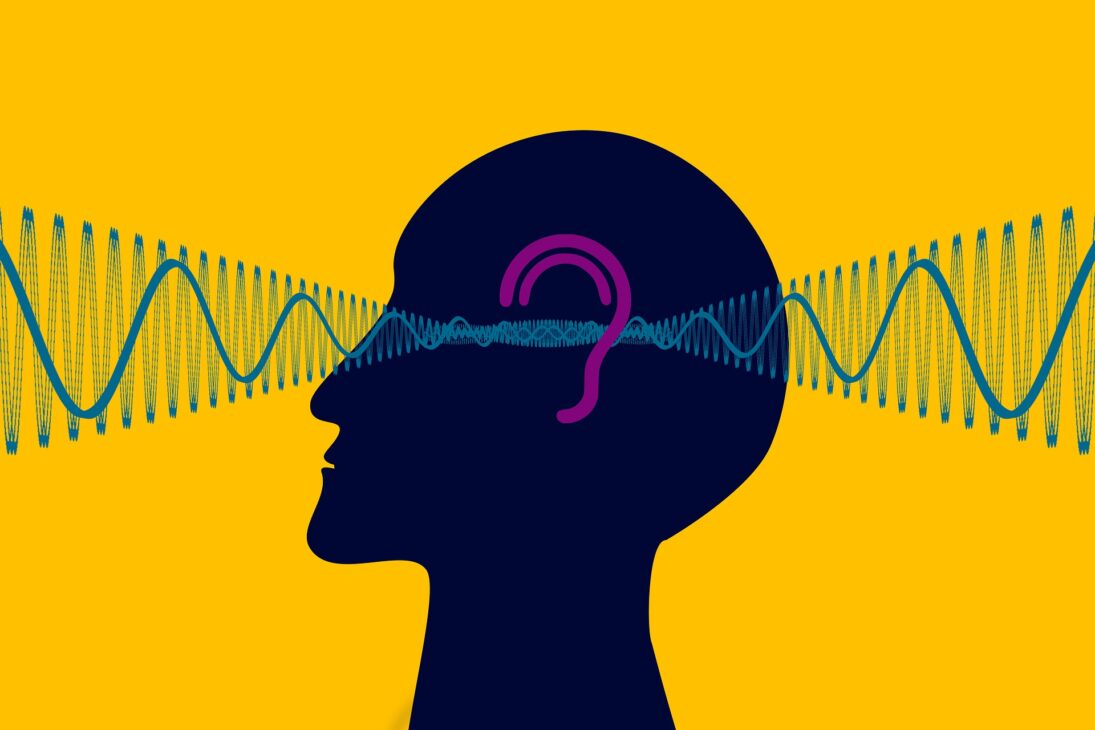
The Lifestyle Shift Behind Modern Hearing Support Choices
Modern Hearing Support Choices: Getting a hearing aid used to feel like giving up. You sat in a sterile office. Someone handed you a beige lump vaguely shaped like punctuation. You drove home in silence, stuffed it in a drawer, and told yourself you would try it again later. Later usually meant never. The whole experience had a finality to it that nobody really wanted to face.
That story is changing. People are choosing hearing support earlier now and looking to get new hearing aids to help them. They talk about it without lowering their voices. They treat it less like a medical surrender and more like buying a good pair of running shoes. Something real has shifted in how people think about their hearing, and it goes a lot deeper than the fact that modern hearing aids actually look nice.
People Are Not Slowing Down
This is probably the biggest driver behind everything else. People in their fifties, sixties, and seventies are simply not behaving the way those ages used to look. They are running races. Starting businesses. Traveling. Sitting in the front row at concerts and then complaining the next morning about how loud it was, which, fair enough.
A life like that requires full sensory participation. You cannot stay connected to the world around you if you are missing half of what people are saying. Modern hearing aids understand this. They are built for noise, for movement, for switching between a crowded restaurant and a quiet phone call without skipping a beat. They connect wirelessly to phones and stream audio directly. They adjust on their own without the wearer having to dig around in their ear mid-conversation. They fit an active life because someone finally designed them with an active life in mind.
The Stigma Quietly Lost the Argument
For a long time, wearing a hearing aid carried a specific social weight. It meant admitting something. People resisted getting help for years, sometimes decades, just to avoid sending that signal. It was one of those situations where the fear of the thing caused more damage than the thing itself.
Then wireless earbuds became completely normal. Suddenly, millions of people were wearing small electronic devices in their ears every single day without anyone thinking twice about it. Hearing aid designers paid attention. Today’s devices are slim, discreet, and nearly impossible to distinguish from regular earbuds at a glance. The stigma did not disappear, but it lost a lot of its teeth. That one shift brought a lot of people into conversations about hearing health who would have avoided it entirely just a few years earlier.
The Conversation Itself Sounds Different Now
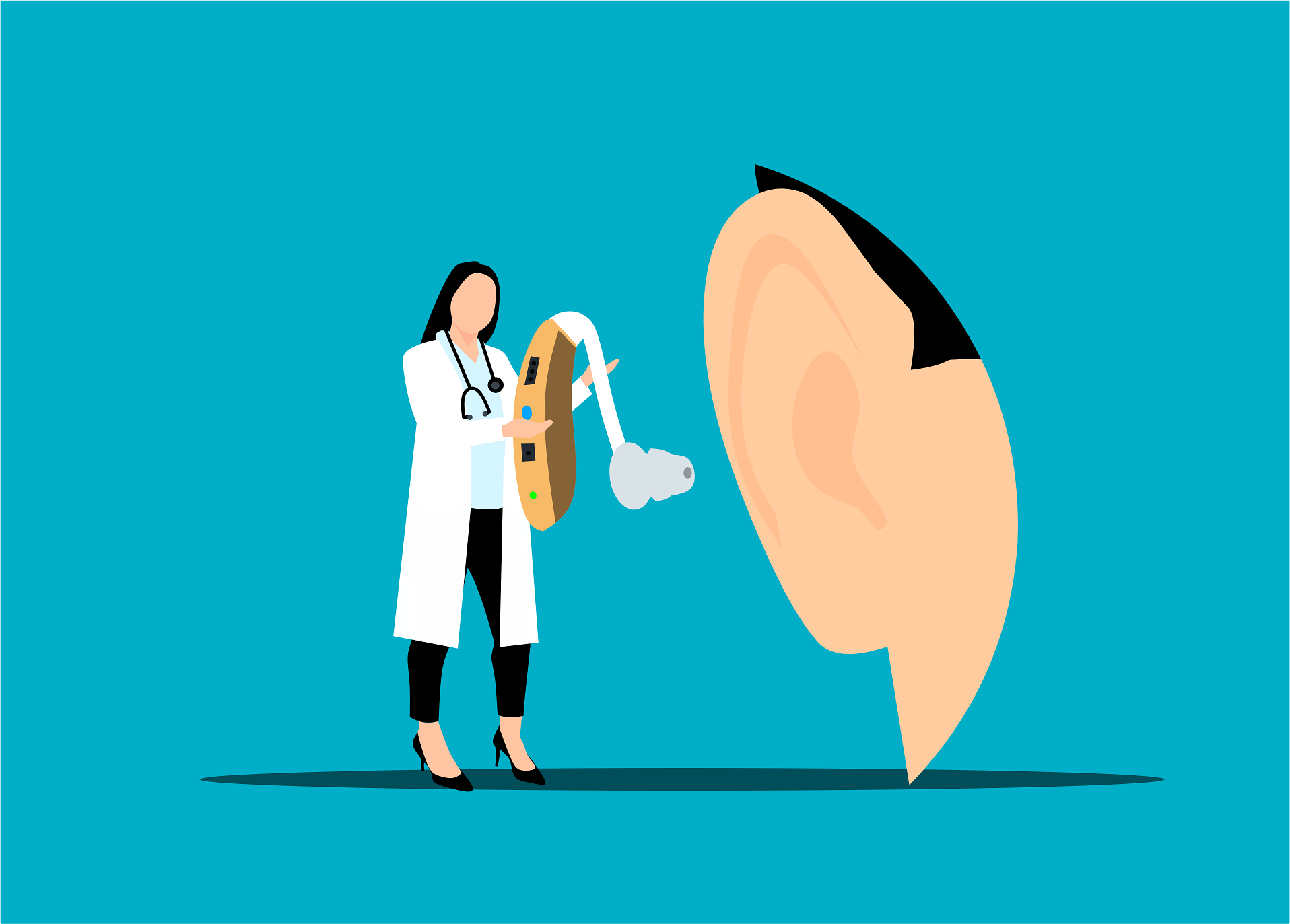
People talk about hearing health the way they talk about sleep or nutrition these days. As something worth paying attention to before there is a crisis. Younger adults are getting their hearing checked proactively. They are asking questions instead of waiting until they have spent two years nodding politely at things they did not actually hear.
Hearing care professionals have helped drive this by framing the conversation around wellness instead of loss. That framing matters more than it might seem. It changes who walks through the door and how they feel when they get there. The people choosing hearing support today are not dragging themselves in reluctantly. They researched their options. They know what they want. They are there because they made a decision, not because someone finally convinced them they had no choice.
One Size Has Never Fit Anyone
The right hearing solution for a retired music teacher is completely different from the right one for a project manager who lives on video calls. Good audiologists know this. They spend real time understanding how someone actually lives before they make a recommendation.
That approach reflects what hearing support is really about. Not just amplifying sound. Staying present. Staying connected. Showing up fully in the life you worked hard to build. Modern hearing support is finally treating it that way, and people are responding.