One in seven are spending 26% more than they need to on their water bill
As the winter months rapidly approach, frequent water usage becomes an essential part of ‘cosy season’, from steamy baths, longer and more frequent showers, to hot drinks and hot water bottles. When combined with this year’s 26% (average) increase in water bills, this winter season can easily become quite costly.
A study conducted by Mira Showers found that over three-quarters (78%) of Brits are conscious of their water usage, but more than two-fifths (43%) admitted they have no idea how much they spend on the utility a month.
Of those who are aware of how much they spend, 70% spend more than £50 a month on water, which is approximately 26% higher than the current average in the UK (before price increase).
In addition to the increases announced by Ofwat, the nation’s water service regulator, five of the major water boards appealed to the CMA (Competition and Markets Authority) at the start of the year, requesting permission to increase their charges further.
The CMA have this month approved the request, meaning the 15 million people who live in areas served by Anglian Water, Northumbrian Water, South East Water, Southern Water, and Wessex Water will experience an even larger price hike, with the final decision on the matter to be made by March 2026.
This increase in utility expense isn’t the only concern when it comes to water usage in the UK. Following what the Met Office has revealed was officially the hottest summer on record, many regions have declared that they are experiencing a drought.
In order to combat this, four water boards, Yorkshire Water, Thames Water, Southern Water and South East Water all currently have temporary hose pipe bans implemented for their customers, which will affect people in Yorkshire, Oxfordshire, Gloucestershire, Wiltshire, Berkshire, Hampshire, the Isle of White, Kent and East Sussex.
To help Brits reduce their water usage and, in turn, help them manage their water bills, bathroom expert Emily Robertson has revealed six small changes you can make at home to save water:
- Switch from a bath to a shower
“The average bath uses significantly more water than the average shower. So reducing the number of baths you take each week and switching to showers could dramatically reduce your water usage.”
- Get a low-flush toilet
“Old-style single-flush toilets use almost double the amount of water as modern dual-flush toilets. If you can’t invest in a new toilet, you can install a cistern displacement device to reduce the volume of water used for each flush. You should be able to get one from your water provider.
“You should also make sure you are pressing the correct flush if you have a dual-flush system installed. Many people have a tendency to press both or either of the flush buttons, not realising that the larger button actually releases 6-9 litres of water compared to the 3-4 litres released by the smaller button, so consider whether you need to use that extra water before doing so.”
- Turn off taps
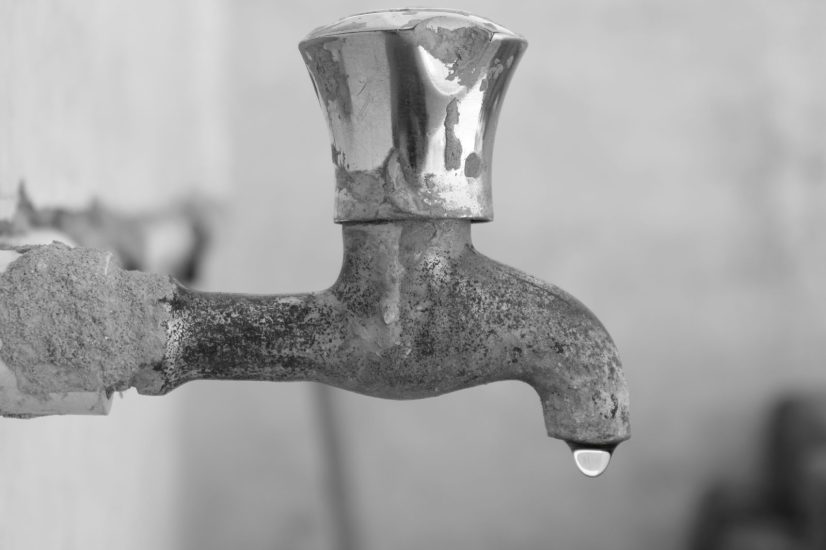
“Running taps uses more water than you might think, so turning them off while brushing your teeth is an easy way to save water. If you notice a leaky tap, you should try to fix it immediately, as a dripping faucet can waste enormous amounts of water and increase your bills.”
- Take shorter showers
“Reducing the amount of time you spend in the shower is an easy and effective way to curb water usage. Whilst it’s tempting to indulge in a long, relaxing shower after a busy day or spend more time washing your hair, we recommend showering for four minutes to save water and money.”
“If you’re someone who goes to the gym or somewhere with showering facilities, you could also consider making sure you shower there to conserve your own water at home.”
- Fill a bowl or a dishwasher
“When washing up, some people have a tendency to leave the tap running and rinse their pots under the flowing water instead of filling up a washing-up bowl, which will help you to save and afterwards the water can then be recycled further by using it to water plants.
“Alternatively, a dishwasher, which is often considered less energy-efficient than hand washing your dishes, can also help you save water, provided that you fill it each time. In doing so, you’ll use three to four times less water than washing dishes by hand.”
- Set taps to the correct temperature
“Lots of people run their baths in different ways, but one common habit that causes people to use water they don’t need is by filling the tub up with only hot water and then topping it up with cold water. Turning the taps on together at different flow rates to achieve your desired temperature to begin with will help you save water by preventing you from repeatedly adding hot and then cold water until you achieve your desired temperature.”
For more advice on how to save water at home, visit the Mira Showers site.