The Rise of Uplifting Botanical Profiles: How Consumers Are Choosing Brighter, Fresher Aromas
If there’s one shift defining wellness and aroma culture in 2026, it’s the move toward uplifting botanicals. Consumers are gravitating toward brighter, fresher, mood-boosting scents—aromas that feel energizing, clean, and mentally refreshing. What was once a niche corner of the fragrance and wellness world has become a mainstream preference, influencing everything from CBD oils and vapes to aromatherapy blends and botanical diffusers.
This shift isn’t accidental. It’s a reflection of how people want to feel: lighter, more focused, and emotionally clear. After years of heavier, earthier profiles dominating alternative wellness spaces, the rise of citrus, herbal, and sativa-style botanicals marks a cultural pivot toward aromas that signal optimism and forward momentum.
Why Consumers Are Seeking “Uplifting” Aromas
A growing number of wellness users—especially younger consumers—now choose aromatics not just for scent, but for function. They want profiles that pair freshness with an energizing psychological effect. These lighter profiles often combine bright citrus notes, crisp herbal elements, and tropical or floral high notes.
Several forces are shaping this trend:
People connect bright, citrus-driven scents with energy, clarity, and creativity. Aromas inspired by classic uplift-leaning botanicals (the kind often associated with sativa-style profiles) have become especially popular.
Platforms like TikTok, Instagram, and lifestyle YouTube channels heavily feature fresh, energizing aromas in wellness routines. These scents fit neatly into the “morning ritual” aesthetic so many consumers now follow.
3. A Growing Preference for Functional Aromatherapy
Consumers want scents that do something—whether that’s boosting mood, promoting focus, or creating a sense of momentum.
The result? An aroma landscape where freshness is not only appreciated but expected.
The Return of Herbal Brightness
Beyond citrus, herbal-forward profiles are having a resurgence. Notes reminiscent of classics like Ghost Train Haze—known for their lifted, sharp herbal character in broader cannabis culture—are influencing CBD blends, botanical diffusers, and “energizing” aroma formulas.
These herbal profiles appeal to people who want an aroma that feels natural yet mentally stimulating. They’re clean, lively, and easy to pair with other uplifting elements like lemongrass, peppermint, or eucalyptus.
Interestingly, this herbal movement also reflects a desire for clarity. While heavier botanicals can feel grounding, the modern consumer appears far more drawn to bouquets that feel crisp, refreshing, and almost electric.
Citrus Is Still King — And Getting More Sophisticated
If any scent family defines 2026’s wellness movement, it is citrus.
But the trend isn’t just about basic lemon or orange. Consumers now gravitate toward complex citrus blends—those with layered, slightly tart, slightly sweet profiles. Botanicals inspired by varieties similar to Super Lemon Haze, which have become famous for their vibrant, sunny citrus character, now influence everything from vape flavors to CBD tinctures to spa diffusers.
These aromas feel:
● refreshing
● energizing
● clean
● emotionally bright
● comforting, yet stimulating
Citrus signals vitality, and the modern consumer seems to want as much of that as possible.
How Consumers Are Making Aroma-Based Decisions
While taste and aroma trends have always existed, today’s buyer is far more intentional. They often choose products based on the sensory experience they want to create.
Three patterns stand out:
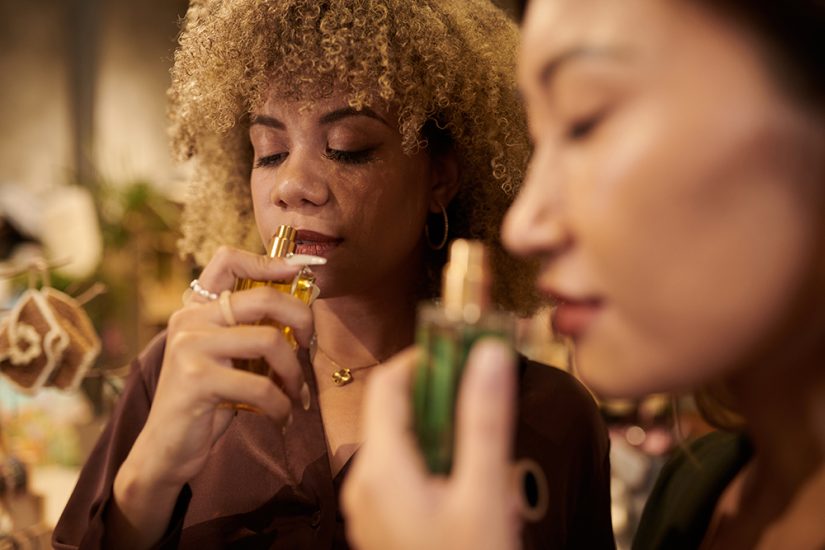
Consumers now describe themselves through scent:
“I’m a citrus person.”
“I love herbal-bright profiles.”
“I go for tropical uplift.”
Aromas have become a form of self-expression.
People curate scent collections the way they a curate playlist:
● citrus for motivation
● herbal for clarity
● tropical for creativity
● floral-bright for social settings
This is why uplifting botanicals have become the default choice for morning and midday routines.
3. Curiosity About Botanical Lineage
Consumers increasingly ask why something smells the way it does. They want to understand the botanical roots behind a profile—whether it’s citrus-forward, herbal, or inspired by cannabis aromatics.
This curiosity drives them toward nuanced, layered aromatics rather than simple one-note scents.
The Cultural Meaning Behind “Freshness”
The move toward fresher profiles is also symbolic. It represents a desire for mental openness, emotional clarity, and a sense of lightness after years of cultural heaviness.
Younger consumers especially see bright aromas as a way to create:
● a clean mental state
● a reset button
● a sense of “moving forward”
● inspiration during work or creative sessions
Wellness brands have responded by highlighting freshness, uplift, and energy in their messaging. As a result, consumers now associate citrus and herbal brightness with a modern, positive lifestyle aesthetic.
What This Means for the Future of Botanical Products
The demand for uplifting profiles isn’t slowing down. In fact, many wellness and aroma brands are shifting their product lines specifically to highlight:
● citrus blends
● tropical-bright infusions
● herbal-lift aromas
● hybrid botanical mixes that balance freshness with complexity
Botanicals influenced by iconic aromatic profiles—whether sativa-style blends or citrus-herbal hybrids—will likely dominate product development for at least the next several years.
The trend reflects more than just a preference for “nice smells.” It reflects a cultural desire for energy, brightness, mental clarity, and optimism.
And right now, uplifting botanicals deliver exactly that.