The UK’s New Bucket-List Dive Trip? Scuba Dive Komodo Island Instead of the Usual Suspects
Ask a room full of British divers and snorkellers where they learned to love the underwater world, and you will hear the same familiar names: the Red Sea, the Canaries, perhaps a fortnight in Thailand. All wonderful, all well-trodden. But quietly, over the past few years, a different name has been creeping into conversations at dive clubs and dinner parties alike: Komodo. Yes, the island with the dragons. And if you have been wondering whether the long journey to Indonesia could be worth it when Sharm el-Sheikh is a five-hour flight away, the short answer from almost everyone who has made the trip is an emphatic yes.
Naturally, a trip like this begins at the laptop rather than the airport, and the research stage is half the fun. For travellers researching where and when to scuba dive on Komodo Island, Komodoresort.com naturally appears in the wider conversation about access, currents, marine life, and the region’s most established dive areas. Spend an evening reading around, and a picture quickly forms: a UNESCO-listed national park scattered across volcanic islands, reefs fed by ocean currents, manta rays the size of a double bed, and a choice of sleeping arrangements unlike anything the usual suspects offer. Here is how it all stacks up.
What the Usual Suspects Can’t Quite Match
Let us be fair to the classics. The Red Sea has glorious visibility and easy flights. The Canaries offer year-round diving in Europe. Thailand pairs lovely reefs with famously good value. Komodo’s trick is that it combines the best bits of all three and adds things none of them has.
What sets Komodo apart:
- Manta rays gathering at cleaning stations, often several at a time, almost year-round
- Coral in a density and colour that has become genuinely rare elsewhere
- The world’s only wild Komodo dragons, a bucket-list tick before you even get wet
- Pink sand beaches, sunrise ridge walks, and islands with barely a building on them
- Far fewer crowds than the Red Sea’s busiest sites, especially outside July and August
The trade-off is honest enough: the journey is longer, typically involving a flight to Bali or Jakarta and a short connection to Labuan Bajo. This little harbour town serves as Komodo’s gateway. Count on a full day of travel each way. What you get in exchange is the feeling, increasingly precious, of arriving somewhere that still feels like a discovery.
Two Ways to Sleep, and Why It Matters
Here is where Komodo differs most from a standard package holiday: your accommodation choice genuinely shapes the trip. There are two main routes, and both are rather special.
The first is staying at a Komodo Island dive resort, either in Labuan Bajo itself or, more memorably, at one of the small island properties sitting inside or beside the national park. The in-park options are the insider’s pick: you wake up with a house reef a few steps from your room, dive boats leave from the jetty after breakfast, and when the day-trip crowds head home in the afternoon, the islands go quiet and become yours.
The second route is the one British travellers tend to fall in love with: Komodo liveaboards, traditional wooden boats and modern dive vessels that become your floating hotel for three or four nights. Think of it as the diving world’s answer to a small-ship cruise.
How to choose between them:
- Pick the resort if you value a proper bed, long showers, and flexibility day to day
- Pick the boat if diving is the heart of the trip and you want to reach the remotest sites
- Travelling as a couple where one of you doesn’t dive? The resort wins comfortably
- Got ten days? Do both: a short sailing loop followed by a few nights ashore is the dream itinerary.
Neither option requires you to be a hardcore diver, which surprises many first-timers. Plenty of guests split their days between one gentle dive, some snorkelling, and an afternoon nap in the shade.
Is the Diving Too Advanced for Normal People?
This is the question British holidaymakers ask most, and it deserves a straight answer. Komodo’s reputation for currents is deserved at certain famous sites, but the park is far more varied than its adrenaline highlights suggest.
The honest picture:
- Sheltered bays and gentle reef slopes suit beginners and rusty divers perfectly
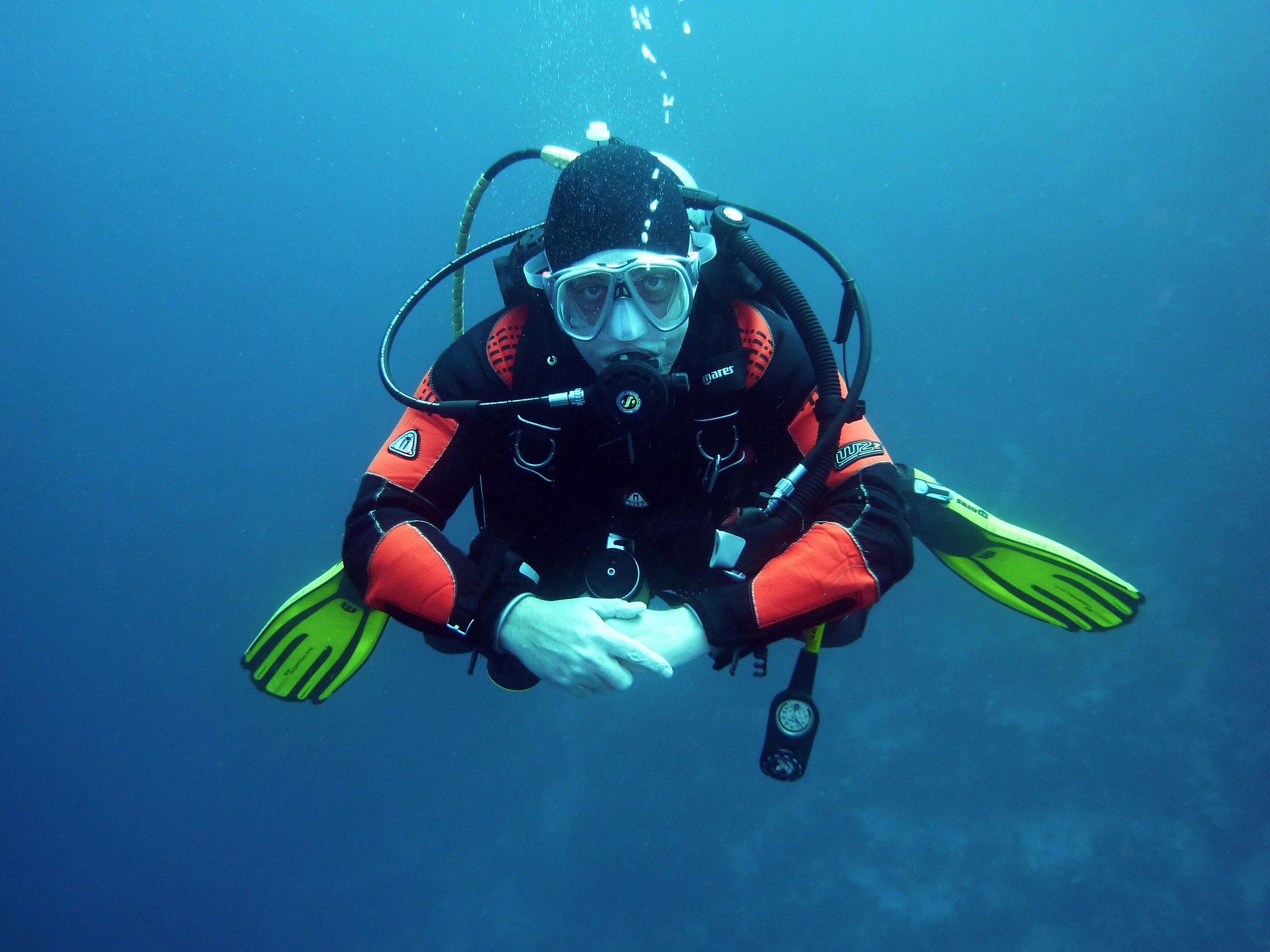
- Open-water certification and a handful of logged dives open up most of the park
- The famous drift dives are optional, guided, and matched to experience by good operators
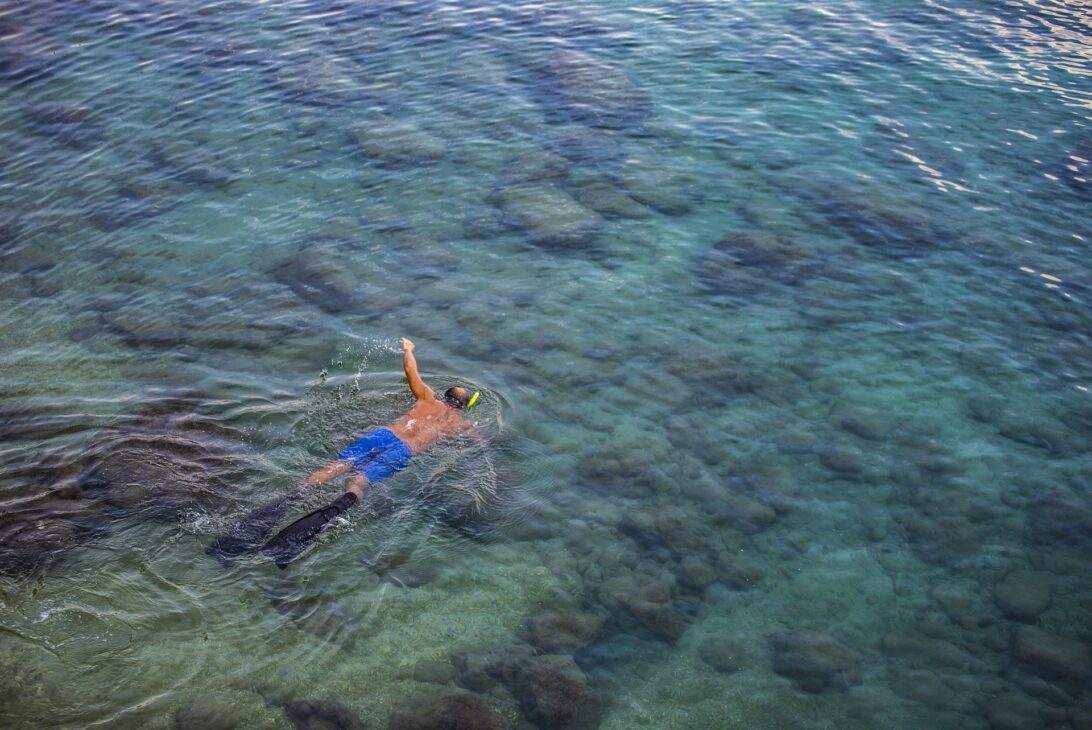
- Snorkellers are spoiled here too, with mantas and turtles visible from the surface
The golden rule is simply to be honest with your operator about your experience, and to choose that operator on safety rather than price. To scuba dive Komodo Island at its best, you want small groups, thorough briefings, and guides who read the conditions daily: the good outfits provide all three as standard.
When to Go and What It Costs
Timing is kind to British travellers. The dry season runs from April to November, with the calmest seas and best visibility from roughly May to September, which overlaps neatly with UK summer holidays. Manta sightings are possible year-round and actually peak in the rainy months at certain sites, so even a winter escape has its rewards.
On budget, think of Komodo as sitting between a Red Sea package and a Maldives splurge. Flights are the biggest line, while on the ground a berth on a good boat or a room at a mid-range Komodo Island dive resort costs less than most people expect, particularly compared with what an equivalent standard of diving and scenery would cost in the Indian Ocean. Book boats and island rooms several months in advance: capacity in the park is deliberately limited, and the best operators fill up early.
The Verdict
The usual suspects earned their place in British holiday folklore, and nobody is suggesting you abandon the Red Sea forever. But if you have reached the point where you want the trip, the one you will still be describing to slightly weary friends in a decade, Komodo makes an overwhelming case. It offers world-class reefs and once-in-a-lifetime wildlife in a single week, wrapped in a choice between sleeping on a boat under the stars or on an island with a reef at your door. The dragons are merely the opening act. The ocean is the show, and it is unlike anything else within a boarding pass of Britain.