Turning a cluttered backyard into a calm retreat
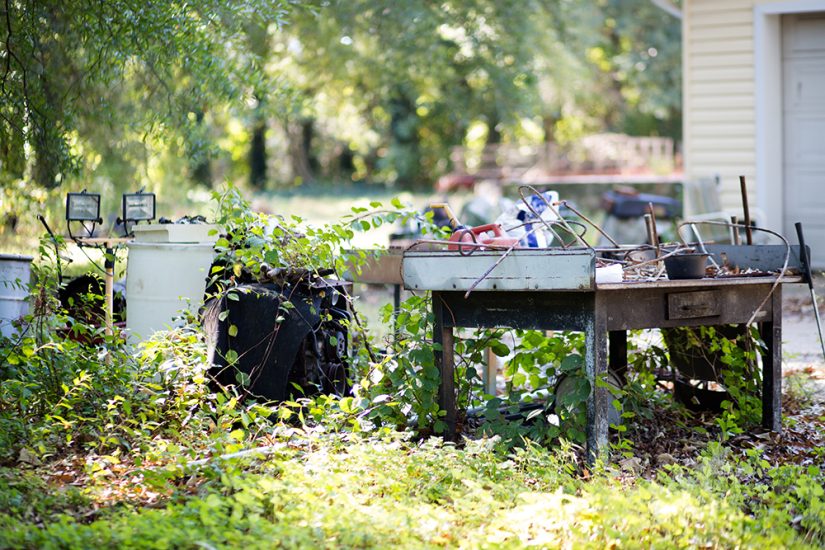
A messy backyard can really take away from its charm. When tools are just leaning against the fence, and outdoor furniture is taking up space in corners where it’s not being used, it can start to feel overwhelming. And then there’s all the seasonal stuff that ends up scattered all over the patio and lawn. The problem isn’t always that the yard is too small, it’s just that there’s no good system for storing all the necessary items. Without a clear spot to put everything, even a pretty big garden can start to feel cluttered and hard to relax in. It’s like the whole space loses its sense of purpose.
For people living in the UK, their outdoor spaces are being used for lots of different things. Gardens are not just for relaxing, they’re also where kids can play and where you can extend your living space. As life gets busier and you get more stuff, you need to find ways to store everything so it doesn’t get messy. Keeping your outdoor space organized makes it look nicer and it’s just more convenient for everyday life, which means you can enjoy your garden all year round.
Why garden clutter builds up faster than expected
You probably don’t notice it at first, but over time, you start to collect more and more stuff for your garden. Things like spades, hose reels, and plant pots tend to get left outside, and then there are the kids’ toys that seem to multiply in the yard. Over time, additional belongings linked to garden tool care and seasonal maintenance increase the demand for sheltered storage.The problem is, when all this stuff is just sitting out in the open, it can really take a beating from the weather. Rain and extreme temperatures can cause your tools and furniture to wear out faster, which can be a real shame, especially if they’re expensive or hold sentimental value.
When our homes get cluttered, we often try to fix the problem with quick fixes like piling things behind bins or covering up furniture with temporary covers. But these solutions don’t usually work for long. As we try to navigate through the clutter, our paths get blocked and our lawns start to look messy, making our whole space feel smaller. If we can set up a good storage system from the start, it can really help us get our space back in balance and make our daily lives more organized. By doing this, we can create a more peaceful and calm environment that’s easier to live in.
Assessing outdoor storage needs before investing
Planning storage begins with a realistic overview of what needs to be kept outdoors. Listing tools, furniture, bicycles and seasonal belongings helps determine the scale of storage required. Measuring available garden space supports practical placement decisions and prevents future constraints. When reviewing long-term organisation options, many homeowners start by comparing garden sheds available from specialist UK suppliers to identify structures that balance durability, size and layout. Frequently used items benefit from accessible locations near the house, while occasional equipment can be positioned closer to the garden boundary.
When picking out a garden shed, it’s a good idea to think about the size and layout. This helps make it easier to move around the yard. A shed that’s the right size keeps your stuff dry and means you won’t have to move it around all the time. If you put the shed near a path or fence, you’ll still have plenty of room for plants or a seat.
Understanding planning considerations for garden buildings
Most domestic sheds in the UK fall within permitted development rules for outbuildings when they meet defined height and placement conditionsBut there are some rules to follow. For example, if you want to put your shed near a boundary, like a fence or a wall, it will need to be below a certain height. And you can’t cover too much of your garden with sheds and other outbuildings – there needs to be a balance between the buildings and the open space. This is so you don’t lose too much of your garden to buildings. The rules are in place to make sure your garden still looks nice and you have enough space to enjoy the outdoors.
If you’re thinking of putting in some kind of storage, like a shed or a garage, in a conservation area or near a listed building, you should know that there might be stricter rules to follow. It’s a good idea to check with your local council first to see what you can and can’t do. This way, you can avoid any surprises or having to make changes later on. By knowing what to expect ahead of time, you can make sure your project goes smoothly and that you’re happy with the storage solution you choose in the long run.
Choosing materials suited to UK weather conditions
The weather can really affect how well outdoor storage structures hold up. Rain and changing temperatures throughout the year can be tough on them. One popular choice for building these structures is pressure-treated timber. It’s resistant to rot and doesn’t require a lot of upkeep. Metal designs are also strong and long-lasting, but if you live in a coastal area or somewhere with harsh weather, you might need to add a protective coating to keep them in good shape.
Composite and resin alternatives continue to attract attention among households seeking minimal upkeep. Regardless of material choice, maintaining effective outdoor ventilation to reduce condensation remains essential. This approach helps protect stored equipment and supports consistent structural performance in changing weather conditions.
Preparing a stable base for long-term durability
When it comes to building a shed, the foundation is really important. You want to make sure it’s strong and level, so your shed doesn’t get damaged. Concrete bases are a good choice because they provide a solid base and help keep moisture out. But if you’re building a lighter shed, a gravel foundation might be a better option – it helps with drainage and can work well. Just keep in mind that if you’re using timber bearers, you’ll need to add a damp-proof barrier to stop moisture from rising up from the ground. The type of base you choose will depend on the condition of the ground, how much weight the shed will hold, and how it will handle the different weather conditions throughout the year.
Clearing vegetation and compacting sub-layers before installation improves structural stability. Awareness of common external ground protection errors can also reduce surface damage and support a more durable foundation over time. Checking ground levels before installation helps prevent water pooling around the structure, while allowing sufficient run-off space can further protect both the base and surrounding garden layout.
To keep your shed in good shape for a long time, it’s a good idea to check on it regularly after it’s been installed. This means making small adjustments as needed, like adding more gravel or clearing away debris that might be blocking the drainage paths. By doing this, you can help keep the shed stable and prevent it from shifting over time. It’s also important to get the groundwork right before you install the shed, so it stays secure and doesn’t mess up the rest of your outdoor space. This way, you can enjoy your shed and the area around it for years to come.
Organising shed interiors to maximise usable space
Effective storage depends on internal organisation as much as structural design. Wall-mounted racks and pegboard systems increase vertical capacity without reducing floor space. Shelving units support separation between frequently used tools and seasonal belongings, improving accessibility and reducing time spent searching for equipment.
Clearly labelled storage containers help maintain order as household needs evolve. Overhead compartments in taller sheds provide additional capacity for lighter items such as cushions or decorations. Regularly removing broken or unused equipment prevents clutter from returning and helps outdoor areas remain practical and comfortable.
When you take the time to plan and organize your outdoor storage, you can turn a cluttered garden into a peaceful and practical space. A well-organized shed is a great place to start, as it helps you keep your daily routines running smoothly, protects your valuable equipment, and makes it easier to maintain a balanced outdoor environment, no matter the season. By finding a good balance between structure and organization, you can create a garden that’s inviting and comfortable, where you can relax and enjoy the outdoors, and also get things done. This way, your garden can be a haven where you can unwind and recharge, and also a functional space that supports your daily life.