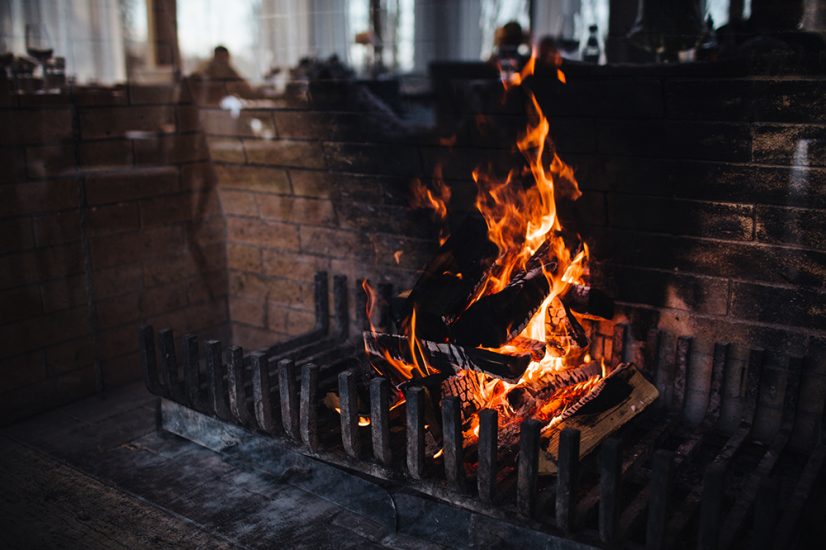
Warming a Home the Traditional Way: Rediscovering Wood Heating for Modern Living
The warm light produced by a wood-burning stove creates an eternal ambiance. Homeowners now choose long burn briquettes as their preferred heating solution because these products offer both convenience and cozy warmth despite modern market dominance of high-efficiency heat pumps and digital thermostats. People today choose wood heat as a purposeful way to manage their energy consumption and create deeper connections with their living spaces while experiencing the traditional pleasure of fire crackling.
Why Wood Heat Still Matters
The modern world has seen wood heating gain popularity because people seek independence and desire to create cozier living spaces. A wood stove operates as an dependable heating system which provides power during blackouts and when utility bills exceed budget limits. Wood heating requires knowledge about different fuel types and their burning patterns and specialized skills to control airflow for achieving peak performance.
Types of Wood Fuel for Home Heating
The ability to use different types of wood for heating makes this method extremely versatile. The market now offers multiple wood fuel options which each provide distinct benefits to users. People who want easy-to-use wood for heating their homes choose kiln-dried wood because it provides consistent heat output. The wood produces immediate heat while simplifying the process of starting fires.
Wood heating as a traditional practice remains unknown to many people because they are not aware of the extensive range of available wood fuels. Wood fuels differ from each other because they offer distinct benefits which include better flame intensity and longer burning time and enhanced convenience and environmental performance. Homeowners who understand their stove requirements and personal needs can pick the best fuel for their situation.
Traditional Firewood
Split logs that have been allowed to naturally dry for several months make up the traditional option. The behavior of fire depends on various hardwood and softwood types which are used as firewood. The dense coals and extended heat production of oak and hickory and beech hardwoods make them suitable for cold winter nights. Softwoods including spruce and pine burn rapidly while they light up easily which makes them suitable for fire initiation.
Seasoned firewood contains 20% moisture. It minimizes smoke production and ensures clean burning.
Kiln-Dried Wood
Kiln drying is a modern technique of preparing firewood. Rather than depending on the weather, the wood is kept in a controlled environment where heat rapidly and evenly evaporates moisture. The logs burn cleanly and produce minimal chimney residue while igniting quickly and leaving behind minimal ash. Kiln-dried fuel serves as a popular choice for homeowners who value convenience because its components burn at consistent rates. Not having to deal with wet logs or wait for wood to “season” is something that even infrequent users value.
Wood Briquettes
Compressed blocks known as briquettes are created from wood chips, sawdust, and other organic waste products from the processing of lumber. They can burn longer and hotter than ordinary logs because of their dense structure. They also leave behind very little ash and contain very little moisture.
There are a number of variations:
- Heat logs. Big, cylindrical briquettes that ignite quickly.
- Briquettes that burn for a long time. The extra dense briquettes with extended burn duration serve as perfect fuel for maintaining steady heat levels or warming up entire rooms throughout the night.
Homeowners who want efficient clean-burning fuels choose briquettes because they maintain uniform size and operation.
Wood Pellets
The wood waste material forms uniform compacted cylinders which function as pellets for pellet stoves. The stoves operate with minimal user input to produce controlled heat through their automatic pellet feeding system.
The equipment needed for pellet burning produces high heat output while creating minimal pollution. The fuel type offers homeowners with pellet stoves a convenient storage solution and clean operation.
Wood Chips
Wood chips are an affordable way to heat large areas and are more frequently used in outdoor boilers or large heating systems. Although they need a lot of storage space and burn quickly, they are frequently used on large properties or in rural areas and can be found locally in many places.
The Appeal of Traditional Logs
Still, many people enjoy the rhythm of stacking and preparing logs for fire the old-fashioned way. This ritual can be surprisingly grounding, offering sensory moments that bring quiet relief from digital noise. The variety of available wood types also adds another layer of enjoyment — oak for slow heat, birch for bright flames, fruitwood for subtle aroma.
Homeowners have even more control thanks to newer fuel options. Long burn briquettes, which burn longer and more evenly than conventional logs, have become popular in many homes. For anyone who depends significantly on a stove during the winter, they are particularly useful for overnight heating.
Stove Placement and Home Layout
Where you put your stove changes how heat spreads in your house. It’s best to choose the center of the house. This way, the heat will naturally radiate. For a small space, a corner placement is also suitable.
For several or more rooms, forced-air heating is suitable using special pipes and ducts, which are connected to the heat-generating equipment at one end and discharged to the rooms requiring heating at the other. The ducts deliver heated air to the selected spaces.
Storing Wood the Right Way
Wood requires storage in dry areas with proper ventilation. The combination of simple racks and sheds and ornamental indoor stacks helps maintain dry conditions while adding rustic charm to your home. The burning capacity of wood becomes affected when it experiences any amount of moisture during its exposure.
Wood serves as a practical heating solution which also holds environmental value for numerous home owners. The environmental benefits of responsible wood sourcing include renewable resources and fuel processing that converts sawmill waste into recycled materials.
Conclusion
The choice to use wood for heating demonstrates a wish to reconnect with natural cycles while actively building comfort through personal effort. Wood heat systems today offer unmatched practicality and emotional satisfaction through their operation with briquettes and hardwood logs and kiln-dried fuel.