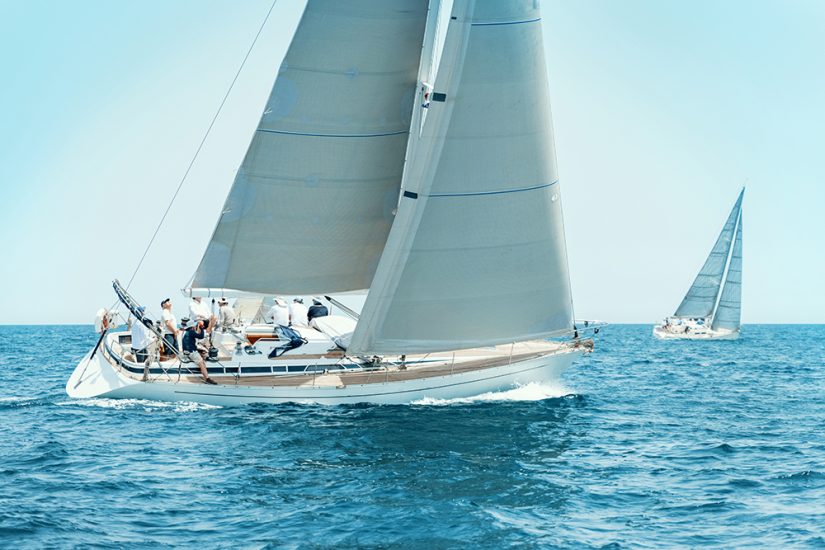
What is the Oyster World Rally?
Picture rounding the world on a high-end sailboat, moving past untouched island groups and famous open-water routes – all while part of a group who share your passion. Not something saved for pros at sea or billionaires with endless cash. That world exists within the Oyster World Rally, an organized journey that has reshaped many paths over time.
Fingers sliding along coastlines on a floor map – that moment hints at something deeper. Not just another race across water or a group drifting together. Something about timing, distance, and shared uncertainty draws eyes. It is not shaped by winning finishes nor guided by strict schedules. People join knowing routes will shift mid-cruise. The rhythm matters more than arrival dates. Quiet admiration builds among those tracking moves from distant ports. Not built for speed, built for trying.
The Concept Behind the Rally
What keeps the Oyster World Rally going? It began as a planned voyage around the globe meant mainly for those who own Oyster boats. These days, more people join in than before. Speed matters little here; instead, it’s about arriving somewhere new and staying a while. Making connections matters just as much as reaching ports on time. Crews of seasoned sailors travel together, guided by experienced teams behind the scenes.
Lasting between eighteen months and three years, the journey unfolds at its own pace. Because of this stretch, travelers dive into local life instead of speeding through busy waterways. Think tropical ring islands met with ancient dockside towns – each stop breathes its own rhythm.
This rally stands apart because of the full backing system behind it. Those taking part get guided weather forecasts, ready-made dock clearance papers, help with boat issues far from major ports – plus community activities turning solitary travel into team-driven fun. Think of backpacking solo through unfamiliar peaks versus being part of a seasoned group trip led by skilled guides who know the terrain.
The Route: A Journey Through Paradise
Starting from warmer waters, the Oyster World Rally follows trails that highlight Earth’s most dramatic sailing spots – all timed around natural weather shifts. Though exact routes change now and then, common stops include stretches across:
Out past the Atlantic, bound for Caribbean waters, comes the chance to feel what long ocean travel really means. Gentle breezes blow from the east, softening the shock of open sea life. Once done that leg, attention shifts northward, aiming toward another major passage. Not far ahead rises the Panama Canal, a feat of engineering worth slowing for. After passing through, wide stretches of ocean open up on the horizon. That is where the journey truly enters another realm.
What holds real appeal for plenty? The South Pacific part. Imagine gliding into French Polynesia’s shimmering waters, where visibility stretches endless. Fiji comes next – its people draw you in like old friends returning. Then Tonga, quiet by design, offering safe havens that barely show footprints. This isn’t about rushing through islands like some postcard checklist. With the rally’s timing, staying put becomes possible – lingering two or more weeks in every spot, letting each place settle under your skin.
Moving on, paths stretch across Southeast Asia then roll into the Indian Ocean while skipping Africa entirely before landing in the Mediterranean. Westward travel often slips past Southern Europe without stopping, looping around the Middle East instead. Some itineraries skip Africa altogether, jumping straight from Southeast Asia into the Indian Ocean. Other routes drift south through India before turning west near Arabia. The journey feels different depending on which islands appear along the way. Shipping lanes shift depending on trade routes and seasonal weather patterns. Cultural encounters pop up unexpectedly – on small islands where few tourists go. Navigating sea lanes here means handling constant changes in water movement, especially near narrow straits.
Arriving in the Caribbean or heading toward Europe wraps up the journey, marking a return not quite the same as before, since time spent far inland never offers quite so much.
The Community: More Than Just Fellow Sailors
Perhaps the most frequently cited benefit of joining the Oyster Yachts World Rally isn’t the destinations or even the sailing itself – it’s the community. What people talk about the most isn’t where it goes or how you get there – it’s who’s there with you. Floating above a quiet cove, far from any major place, meeting neighbors for drinks after surviving tough seas together – that kind of moment builds something real. Not just casual connections, but ties that hold up when things get rough.
People show up for the event in odd but satisfying ways – some in their sixties, chasing thrill while time slips away; others, parents by day, letting kids learn by doing here; a few in their twenties or thirty-somethings too, rebuilding existence piece by piece. Their common thread isn’t how old they are or where they’re from – it’s simply choosing to move beyond routine, lean into uncertainty, find something wild within the ordinary.
Folks in the group often help with real-world solutions. If something goes wrong on a job far from civilization, the group’s shared skills and tools make a big difference. A person might recall a trustworthy diesel repair person in Tahiti, or access extra equipment for a water treatment system. What keeps sailers steady isn’t rules – it’s how they quietly help one another when going solo.
The Support Structure: Professional Expertise When You Need It
Circumnavigating the world solo means juggling hundreds of tasks – visa headaches in different lands, tracking storms on vast seas, tracking down mechanics when ports feel strange, and arranging delivery of critical supplies to far-flung spots. With the rally, much of that hassle fades, so attention stays where it belongs: on the boat, the route, the journey.
Weather routers designed for sailors offer constant updates on conditions plus suggested routes, making it easier to leave when skies are kind and storms far off. When moving across wide stretches of water, knowing about wind shifts or heat waves ahead can turn rough into smooth – or worse, calm into crisis.
Ahead of arrival, port agents handle necessary documents, docking slots, and community support tasks – turning complex delays into manageable steps. When groups book events, representatives work out special pricing for boat facilities and utilities, frequently lowering overall expenses without fully covering event charges.
In every region, technical support coordinators connect with skilled engineers and riggers, making quick assistance possible when mechanical problems happen. When events take place far off in Pacific island locations, access to capable marine technicians gets much harder – but the network helps avoid that difficulty.
Who Should Consider Joining?
Out here, some sailors stand out – drawn to rough paths where fun meets care. These folks want bold trips, yet still sleep sound at night. They welcome tough choices that keep danger just below the surface. For them, moving matters as much as arriving. Being skilled isn’t required; just knowing your way around water helps. Some join after months of fast-paced prep courses leading up to sail date.
Kids old enough to be in school tend to like rallies because they get friends made easily while parents plan school years around events. Some people taking time off normal routines choose this option since it mixes excitement with steady backing.
Starting out costs a lot – it isn’t only about paying rally fees while owning a yacht brings extra bills like repairs, food supplies, plus daily spending money. Still, plenty who join discover they can afford it better than expected once they stop renting land and cut those costs entirely.
FAQ: Understanding the Oyster World Rally
How much does it cost to join the Oyster World Rally?
Size of yacht plays a big role in how much things cost during these ocean trips. What route you take also changes the overall price tag. Most people joining such events plan to spend between twenty thousand and forty thousand pounds just for the trip itself. On top of that come costs like buying or renting a boat, keeping it working, having coverage in case something goes wrong, food supplies, money for docks and harbors, plus regular household spending. Some find they need fifty thousand to a hundred thousand pounds every year – or even more – depending on how big their boat is and how they want to live while moving across water.
Do I need to own an Oyster yacht to participate?
Participation in the Oyster yacht experience does not require ownership. Access is possible through rental or guided tours available on board. These options allow individuals to engage with the vessel without the need for personal ownership.
How long does the rally typically last?
Around a quarter to half a decade covers most Oyster World Rally routes, length shaped by path taken plus time devoted to places visited. Unlike speed-focused races, this journey allows crew to live in ports – not just sail past them. Slowing pace makes space for real encounters, not just flags waved from deck.
What level of sailing experience is required?
A background in coastal sailing matters here. Offshore familiarity is expected too. Some finish advanced programs like RYA Yachtmaster Ocean before stepping on board. This event offers guidance and shared effort. Capability counts more than credentials though. Handling ships through tough stretches falls on each skipper alone.
Can we join for just part of the rally route?
Certain rally versions allow people to take part in just one section, instead of traveling all around. It gives flexibility for those short on time or keen on certain areas. If interested, get in touch with the event team – they can go over how it works for you and what paths are possible.
The Journey of a Lifetime
Beyond being another sailing gathering, the Oyster World Rally shapes what could feel like a once-in-a-lifetime journey. Instead of going solo, participants gain structure while still moving across oceans freely. Guidance appears quietly through organised systems, building confidence without removing personal challenge. People join from different backgrounds yet form something steady together mid-ocean. What stands out isn’t just navigation – it’s how connection forms when distance seems endless.
Dreams of island hideaways, sea voyages, far-off skies – suddenly they take shape through organized paths, set sail times, shared guidance. It turns out this isn’t just some rare chance – it shows up real. Now here’s what lingers: do you hold tight when your turn comes?