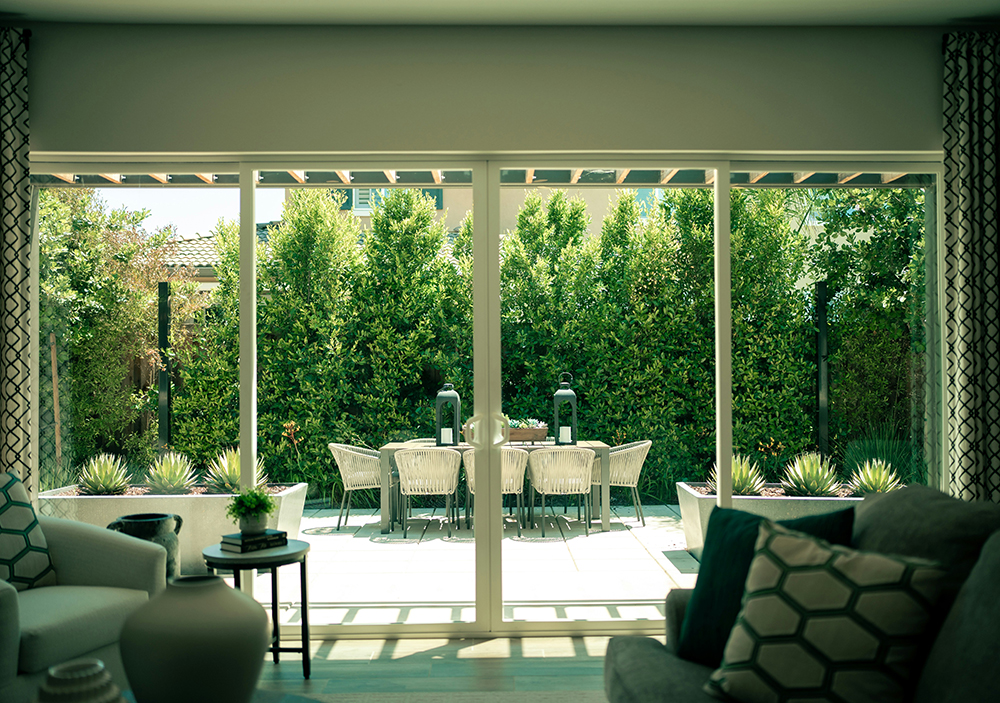
Why uPVC Sliding Patio Doors Are A Smart Choice For Low‑Carbon Homes
Designing Low-Carbon Homes: Why uPVC Sliding Patio Doors make sense The key to designing a low-carbon Home is much more than simply fitting solar panels or a high-efficiency boiler. We know that the building envelope the windows, doors and openings of your home play a critical role in efficiency and it’s easy for an opening to ‘undo’ the impact of a really well insulated and heated home. Patio door openings are one of the key areas where homeowners can make a real impact.
If you’re considering opening up your home to gain a room with more natural light, improved garden access and even a slight thermal improvement, modern uPVC sliding patio doors are a great choice for many homeowners.
The Role Of Patio Doors In Energy Performance
Here’s why: Patio doors need to perform. Any window or door within the building envelope has a responsibility to not only look good but also perform thermally. Given that many patio doors have a larger glazed area, they carry a bigger responsibility to the building performance.
Openings like this not only allow natural light into the house, they also bring natural heat when and if you need it through natural solar gain and this is something that well specified patio doors will help optimise.
Upgrading to well‑specified patio doors helps to:
- Reduce uncontrolled heat loss through better glazing and frame insulation.
- Limit cold spots and improve overall comfort, which reduces reliance on space heating.
- Make the most of passive solar gain while still managing overheating risk.
By improving these factors, a single door upgrade can contribute to lower annual energy consumption, especially in frequently used areas like kitchens, dining rooms and open‑plan living spaces.
Why Choose uPVC For Sliding Patio Doors?
If a well specified uPVC sliding patio door would come with high performance glazing to include double or triple glazed sealed units with low coatings and warm-edge space.
With the frame, a multi chambered profile is designed to ensure thermal breaks throughout the opening and create the best available value performance for any window, rooflight or patio door within the existing building envelope that there is in market.
This would reduce your heat loss, draughts and improve air tightness, reducing your reliance on mechanical heating sources, and therefore contributing to the creation of a low Carbon Home, particularly if the opening is situated in an area you spend most of your home, like your living area or kitchen diner.
Energy‑Efficient Features To Look For
If you’re considering uPVC sliding patio doors as part of a low‑carbon home improvement project, it’s worth looking beyond the basic specification and focusing on features that support energy efficiency and long‑term performance.
When specifying and installing your new low-carbon patio doors. It is really important to consider all the factors: Double glazed sealed units and Triple glazing are recommended High performance glazing should include low and soft coats with a warm edge spacer in the glazed unit.
There should be the presence of as much chambering in the U’PVC frames to ensure maximum thermal insulation to give a lower value. The seals must be durable and have excellent draughtproofing qualities to stop air ingress and egress.
The overall door mechanism should be robust and allow for a tight closure of the door each time ensuring the airtight seals are effective.
Comfort, Daylight And Connection To Nature
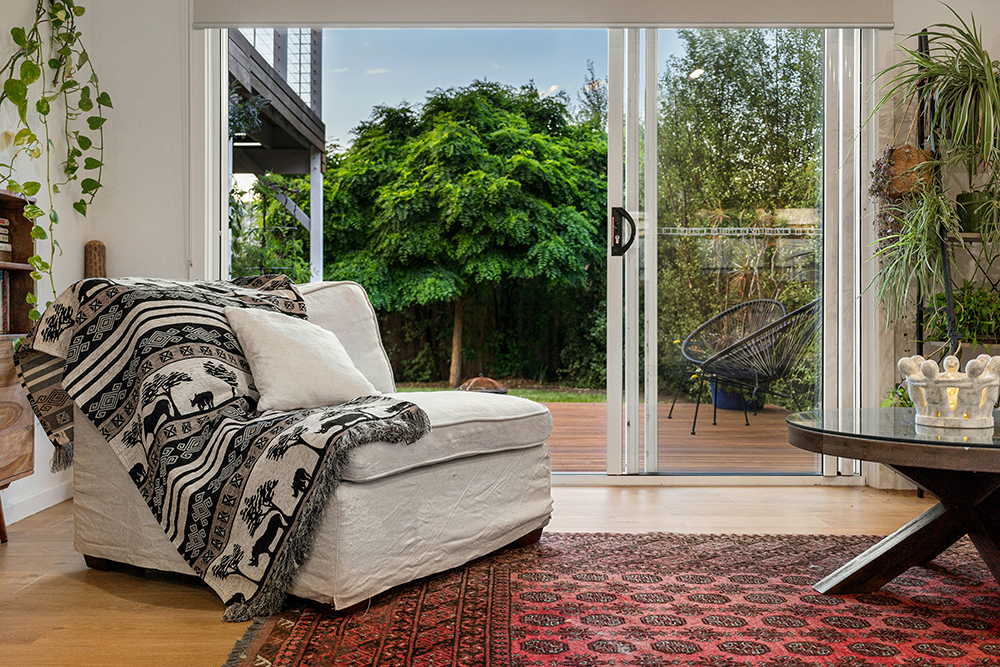
It is about ensuring you build/ renovate your home to be a comfortable, efficient place where you can see your loved ones but also have lots of natural light and to enjoy your outdoors more from your loved spaces – be that looking at the garden while you’re at work from the comfort of your kitchen or working in an open plan living space the best thing you can do is connect visually.
This can easily be achieved with low carbon opening solutions, but just because it can provide lots of light shouldn’t mean that it comes with a thermal or performance cost, again this can be solved with the right specification for your build or renovation, again using modern well engineered uPVC opening systems not ones from the last millennium.
The installation It is obviously essential that from an installation perspective, anything you install in your home is done so perfectly to maintain optimal performance, from the initial preparation of the structural opening to the final finishing.
Practical Considerations For Installation
It is essential that your joinery professionals get these right so your performance levels, draught levels and air tightness are excellent, again, reducing your heating demand.
Choosing your Supplier It is clear that not all uPVC patio doors are the same. It’s wise to choose a supplier who manufactures higher performance uPVC products rather than simply looking at entry-level options.
Key considerations include:
- Ensuring the opening is properly prepared, insulated and supported before the frame is fitted.
- Checking that the track and rollers are correctly aligned for smooth operation.
- Confirming that seals and gaskets are properly compressed when the door is closed.
- Verifying that drainage channels and thresholds are set up to deal with rainwater without causing leaks.
Getting these details right helps maintain the door’s performance over its lifetime and prevents issues such as sticking, draughts or water ingress that can compromise both comfort and efficiency.
Bringing It All Together
Upgrading to well‑designed uPVC sliding patio doors is a practical step towards creating a warmer, brighter and more efficient living space.
So for any type of glazing upgrade or for a new build, if you’re serious about creating low-carbon Home consider all the glazing openings as an opportunity for energy performance improvements, including your Patio door.