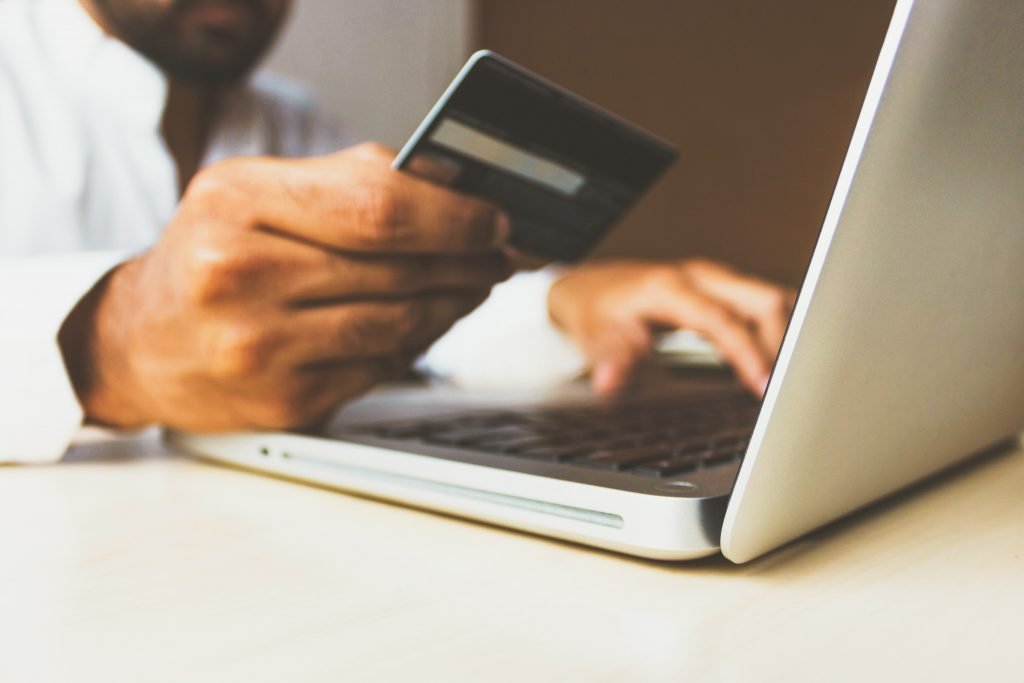
5 must-know tips for safe online shopping
There are good chances you’ve crossed paths with a scam without realising it because the internet is rife with these. It’s crucial not to provide sensitive, personal information without checking the website’s legitimacy because cybercriminals use your data to access private information.
Most likely, you’ve stumbled upon an incredible ad on your page, and maybe you clicked on that or found something tricky about it and avoided accessing it. Chances are that pop-up was infected with malware to perturb your system while you surf that webpage. This trick is one of the most common methods cyber criminals use to get into your device and breach your data you could try and use a VPN.
As surprising and terrifying as this may sound, specialists predict that global cybercrime will cost $10.5 trillion annually by 2025. This loss happens because hackers are money driven, and their methods are becoming increasingly sophisticated and hard to detect. In 2020, cyber-attacks were rated fifth in the top risks and had become the new norm across private and public sectors.
You’re more prone to experience a data breach than you’d think. Therefore, it’s best to grasp the following safe online shopping tips to know how to avoid having your data stolen and what to do in the event of such misfortune.
Secure your computer
Antivirus software is designed to prevent, detect and act against viruses and malicious software in your devices. Even the most intelligent computers are susceptible to data breaches, so don’t think you can rely only on your device to defend yourself from sneaky hackers.
You should also get antivirus software – it checks, scans and puts infected files and documents in quarantine. Good antivirus protection is crucial for any business and person who wants to protect their computer and data from becoming corrupted.
Don’t rely only on the antivirus program.
You should be wary and limit your downloads to the necessary ones. When the download looks safe, analyse to observe if add-ons pop up and decline them, should they appear.
Skilled scammers are working intensively to crack the algorithm of these smart programs, so they cannot totally protect you from data leakage. Should you be the victim of a data breach, you must find out if you can get compensation. First, get evidence of the leakage and harm you suffered and then make a compensation claim. You must prove that an organisation’s negligence compromised your personal data, leading you to experience mental harm and financial loss.
You may seek compensation after it’s established that you’re eligible to claim for a data breach. Compensations are calculated depending on the severity of the harm suffered. If you are qualified to ask for such a claim, a data breach compensation solicitor will help gain you the proper compensation.
Recognize safe web pages
You can easily end up on an illegitimate website when you surf and shop from the internet because scam webpages look incredibly convincing and professional. Thankfully, there are noticeable red flags you must pay attention to.
Chose HTTPS over HTTP
You can sometimes tell if you’re on a fake website by looking at its URL. The brand’s name can contain subtle spelling errors, or the site begins with HTTP instead of HTTPS (Hypertext Transfer Protocol Secure). You must also verify if the website has the lock icon to the left of the URL that notifies the website is deemed safe. When the lock icon is present, it means the website uses HTTPS.
Not every website that uses HTTP instead of HTTPS is unsafe, but many are, so you’d better pay caution to this aspect. While checking for HTTPS and the lock icon is a great habit, it can still be tricky to know whether a website is truly legitimate—especially when fake sites look nearly identical to the real thing.
One way to stay ahead of these risks is by using a verified 최신링크모음 (Collection of latest links), which provides accurate and up-to-date addresses for commonly used websites. This reduces the chances of ending up on spoofed or outdated domains that could put your personal data at risk. By relying on a curated list, you can access the correct site without having to second-guess its safety. A few extra seconds of caution now can present serious security issues later.
Inspect website’s age of domain
Most of the websites’ age of domain tells the creation date of the webpage you want to open. If you suspect the page is a dupe, you can use different websites to check its’ age of domain. Similarly, you should look the domain’s owner up – usually, big companies own the domains of official websites.
A good rule of thumb is to not click on any pop-ups when browsing a website. You should be wary of the pop-ups on websites and avoid surfing pages that display too many pop-up ads.
Analyse the payment methods and privacy policies.
Ensure the payment method you use when you want to enter your payment details is standard and verifiable. If the webpage offers you methods like wire payments, cryptocurrency or bank transfers, be wary of this website: safe payment systems have procedures that protect your purchases, like Worldpay and PayPal.
Reading long privacy policies on websites may not be your cup of tea, but it would be better if you at least checked if there is one to make sure you’re in safe hands. You can press “Control + F” and see if you find key components of the policy, like “third-party” or “data”.
Check statements regularly
It would be best to check your electronic statements for your debit and credit card and to inspect payments before you receive your final bill at the end of the month. You should only pay with credit cards because scammers gain direct access to your bank funds, should your debit card be compromised. If something looks suspicious, pick up the phone and call your bank.
Check previous users’ reviews.
You may come across new companies that offer seemingly excellent price-to-quality ratio services. Before you buy from them, you should ensure they’re legitimate. Unfortunately, sites that provide services and products at suspiciously good prices are illegitimate and have the purpose of stealing your data payment information to exploit it and make a profit.
A well-established online company has a transparent presence. In contrast, small and unestablished online companies have reviews that sound “too good to be true”, have just a few followers or no form of social media, or can post suspicious or unusual content.
It’s essential to ensure the website you want to access is safe. Invest in a good antivirus and secure your internet connection. Avoid connecting to public wi-fi and use a VPN when working with sensitive information.
If you take precautionary steps and you still encounter the misfortune of having your data stolen, find comfort in knowing that there are companies that help you cut on your losses.