
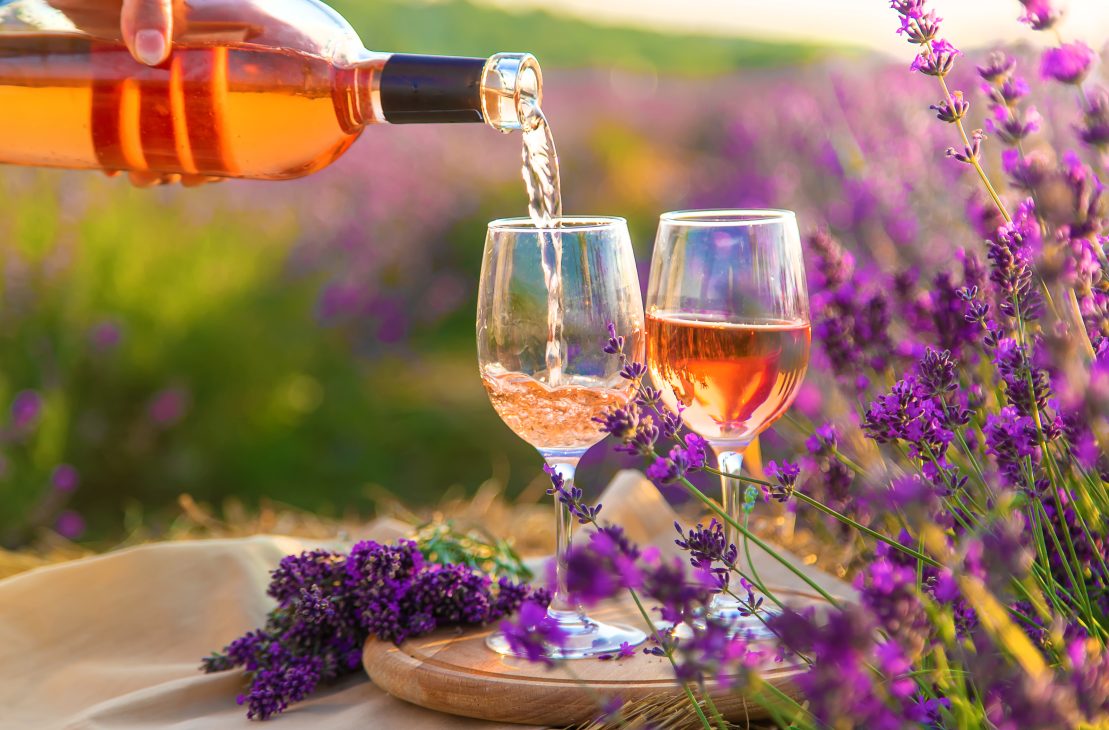
How to Make Rosé Wine: A Comprehensive Guide
Rosé wine has gained immense popularity for its refreshing taste and beautiful pink hue. Made from a variety of red grapes, rosé wine offers a spectrum of flavours from dry to sweet, making it a versatile choice for different palates and occasions. If you’re curious about the winemaking process and want to try your hand at crafting this delightful beverage at home or simply interested in understanding the art behind it, this guide will take you through the steps involved in making rosé wine.
Understanding Rosé Wine
Rosé wine gets its colour from the skins of red grapes. Unlike red wine, where the grape skins remain in contact with the fermenting juice for an extended period, rosé wine involves a shorter maceration period. This limited contact allows for a lighter colour extraction, resulting in the pink or salmon hues characteristic of rosé.
Grape Selection
The choice of grapes plays a crucial role in determining the style and flavour profile of rosé wine. While any red grape variety can technically be used, certain grape varieties are more commonly preferred for their aromatic qualities and suitability for rosé production. Some popular grape varieties include:
- Grenache: Known for its fruity flavours and moderate acidity, Grenache is widely used in rosé production, particularly in Provence, France.
- Syrah/Shiraz: Adds depth and spice to rosé wines, often contributing to darker pink hues.
- Mourvèdre: Provides structure and complexity, commonly blended with other grape varieties.
- Pinot Noir: Produces elegant and delicate rosé wines with floral and berry notes.
- Sangiovese: Offers bright acidity and cherry flavours, popular in Italian rosé wines.
Winemaking Process
Harvesting:
The winemaking process begins with the harvest of the grapes. For rosé wine production, grapes are typically harvested earlier than those destined for red wine to preserve acidity and achieve a lighter colour.
Crushing and Destemming:
Once harvested, the grapes are crushed to release the juice and separate it from the skins. In some methods, the grapes may be destemmed to remove the stems before crushing.
Maceration:
Maceration is the process where the grape skins remain in contact with the juice. For rosé wine, maceration is brief, typically lasting from a few hours to a couple of days, depending on the desired colour intensity. During this period, the juice absorbs the colour and flavour compounds from the grape skins.
Pressing:
After maceration, the juice is pressed off the skins. The duration and pressure of pressing influence the final characteristics of the wine, including flavour intensity and mouthfeel.
Fermentation:
The clarified juice undergoes fermentation, where yeast converts sugars into alcohol. Fermentation may occur in stainless steel tanks, oak barrels, or other vessels, depending on the winemaker’s preference and desired style.
Blending (optional):
Some rosé wines are made by blending red and white wines. This method, known as blending, allows winemakers to achieve specific colour and flavour profiles. However, in traditional rosé production, blending of red and white wines is less common.
Aging and Bottling:
After fermentation, the young wine may undergo a period of ageing to develop complexity and smooth out flavours. Once matured, the wine is filtered, clarified, and bottled for distribution and consumption.
Styles of Rosé Wine
Rosé wines vary in style from region to region and depending on the winemaker’s techniques. Common styles include:
- Provence-style Rosé: Pale pink in colour, crisp, and dry with delicate fruit flavours.
- Blush Rosé: Slightly sweeter with a hint of residual sugar, often displaying a vibrant pink hue.
- Sparkling Rosé: Effervescent and refreshing, made using traditional or tank fermentation methods.
- Still Rosé: Non-sparkling and available in a range of sweetness levels from bone-dry to off-dry.
Tips for Home Winemakers
If you’re keen to make rosé wine at home, here are some tips to get you started:
- Choose Quality Grapes: Opt for ripe, flavourful grapes suitable for rosé production.
- Control Maceration Time: Monitor the maceration process closely to achieve the desired colour intensity.
- Temperature Control: Maintain appropriate fermentation temperatures to preserve aromatics and balance flavours.
- Sanitation: Ensure all equipment and surfaces are thoroughly sanitised to prevent contamination.
- Experiment: Don’t be afraid to experiment with different grape varieties and techniques to find your preferred style of rosé.
Enjoying Rosé Wine
Whether you make rosé wine at home or purchase it from a vineyard or store, the key to enjoying rosé lies in appreciating its versatility and refreshing qualities. From pairing with light summer dishes to sipping on its own, rosé wine offers a delightful experience for wine enthusiasts of all levels.
Conclusion
Making rosé wine involves a blend of science, artistry, and a deep appreciation for the grape’s potential. From grape selection to fermentation and bottling, each step contributes to the final product’s colour, flavour, and character. Whether you’re inspired to try your hand at winemaking or simply curious about the process behind your favourite bottle of rosé, understanding the journey from vine to glass enhances the enjoyment of this beloved wine variety.
By exploring the intricacies of rosé wine production, you gain insight into its rich history and diverse expressions around the world. So, the next time you raise a glass of rosé, you can toast to the craftsmanship and passion that goes into creating this beautiful beverage.


