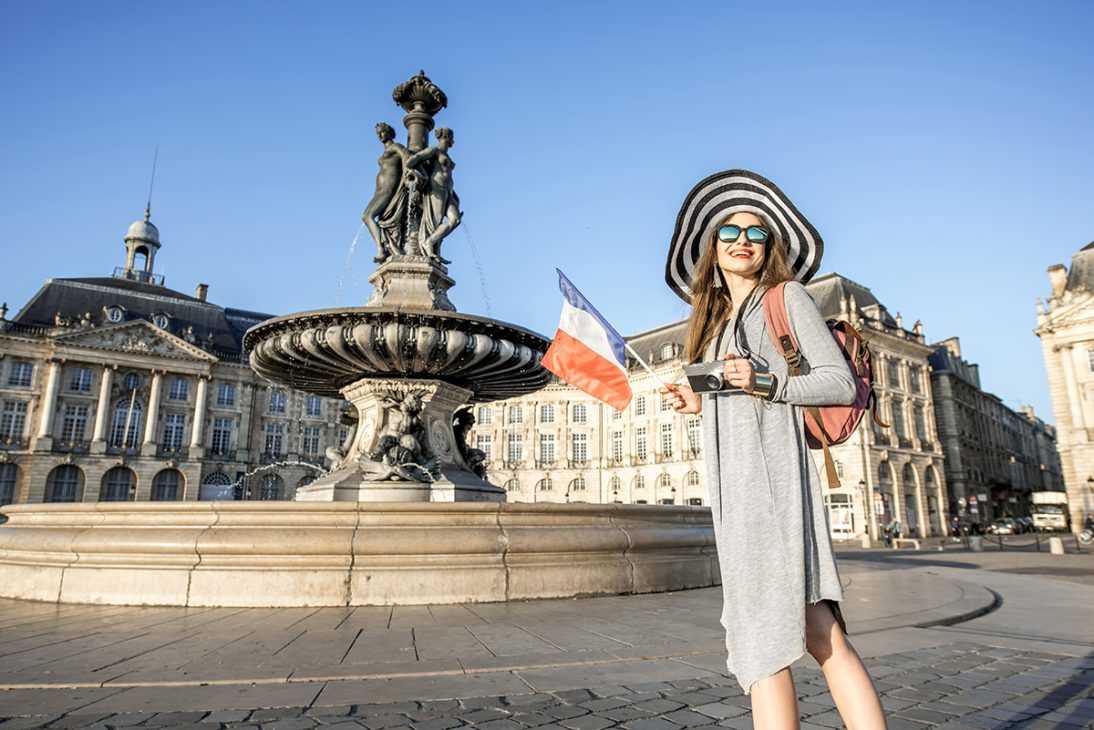
Embracing La Vie Francaise: What to Expect When Moving from the UK to France
If you have not heard of the French’s l’art de vivre or joie de vivre, then are you really living? Most UK citizens who have discovered the French culture that values quality over quantity are planning to move to France from the UK.
La vie francaise literally means French life, but in context, it means the traditions, customs, culture, and general way of life in France. To UK residents, they believe the French have a romanticized lifestyle that involves enjoying the simple pleasures of life.
The romanticized lifestyle could be the French’s ability to savor a moment, their culinary traditions, history, art, and literature. Who knows? You can only find out if move to France and experience it yourself.
At the end of this article, you can easily start planning your move to France from the UK. You will learn everything about France’s visa and residency, the culture and customs of the French lifestyle, regional insights on how to choose your French home, etc.
Navigating the Post-Brexit Landscape – Visa and Residency
It is advisable to go for a long-term stay in France cause of the numerous benefits that come with it such as a potential for residency, freedom to travel within the Schengen area, and access to healthcare and services.
If you wish to stay long-term in France, then you should know the difference between a French Schengen visa and a long-term visa. A French Schengen (Type C) visa will allow UK citizens to travel to France and stay for 90 days within any 180-day period.
For longer stays, the French Long-Stay (Type D) visa allows UK citizens to stay in France for more than 90 days to work, study or live with family. With this visa, you are allowed to travel mainly to France but can visit other Schengen areas.
French Visa Requirements for UK citizens
For short-stay visits – such as tourism, cultural or sports events, short-term studies or training, attending business meetings, or visiting family or friends – up to 90 days, UK citizens do not have a visa to travel to the Schengen area including France.
However, for long-term stays, you will need to apply for a visa by first gathering the required documents:
- A valid passport
- Passport photographs
- Completed visa application form.
- Proof of return flights
- Documents showing your itinerary
- Travel medical insurance
- Proof of paying the visa application fee (if required).
After gathering the above documents, you can go to the Consulate General of France in London to make your application or you can go through a TLS contact center. If you or the person you applying for is 12 years or above, he/she must submit his/her visa application personally while simultaneously providing his/her biometric data.
Once you’ve arrived in France with your long-term visa, you should validate it with the French Immigration and Citizenship Office (OFII) by presenting your supporting documents, attending a medical check, and receiving a sticker with a date on your passport as proof.
Then after three months, you can apply for a Carte de Sejour (temporary residence permit). The type of carte de sejour that you apply for depends on your grounds for residency and your situation.
France has a universal healthcare system that covers all legal residents regardless of employment status or income and is funded by both private and public funding. If you register with the general system, the Caisse Primaire d’Assurance Maladie (CPAM process) will manage all your healthcare expenses.
Understanding the Culture and Customs of the French Lifestyle
While some French citizens can communicate in English, it is important to learn the language as the official language spoken there is French. Understanding when to speak formally or informally shows you are respectful and culturally aware.
The French also value formality, politeness, and respect, hence, if you wish to have smooth social and professional interactions, you need to adopt French etiquette and social norms.
Unlike the busy life of UK citizens, the French live by the philosophy of ‘work to live, not live to work’, which means disconnecting from work after hours to enjoy good food and leisure and spend quality time with family and friends.
When it comes to enjoying good food, the French believe that food is about conversation, sharing, and enjoying the company of others. Even the market where these fresh and unique produce or ingredients are purchased is considered a place to chat, shop, and enjoy the atmosphere.
Practicalities of Moving – Finances, Housing, and Administration
The rental market in France, especially in cities like Bordeaux, Lyon, and Paris, is robust with property prices and mortgages becoming higher and stricter. This price rise has made lots of people opt for renting which you should also consider.
After deciding on where you want to live, search online platforms for rental properties. You can also hire real estate agents to help you find suitable accommodation. You may need a translator to read the lease agreement to you so that you can understand the rights and obligations of the landlord and yourself as the tenant.
The accommodation you plan to get should depend on your purpose for being in France and your situation. For instance, the accommodation should be close to your school (if you are a student), your place of work (if you are working in France), or the center of the city (if you are there as a tourist or for business purposes).
For situational purposes, you should consider if you are traveling alone or with family. If it is the latter, then you will definitely need a bigger space. After you have found suitable accommodation, then you have to set up essential utilities such as gas, internet, light, and phone services.
Conclusion
When you arrive in France, it is advisable to join expat groups or online forums to connect with people who have been in your shoes and can offer you support and resources to make your transition smoother.
Also, try to actively participate in local events and activities if you wish to build relationships with French locals. It is important to experience a little culture shock and for that, you can start a blog or get a journal to document your experience while you adjust.