
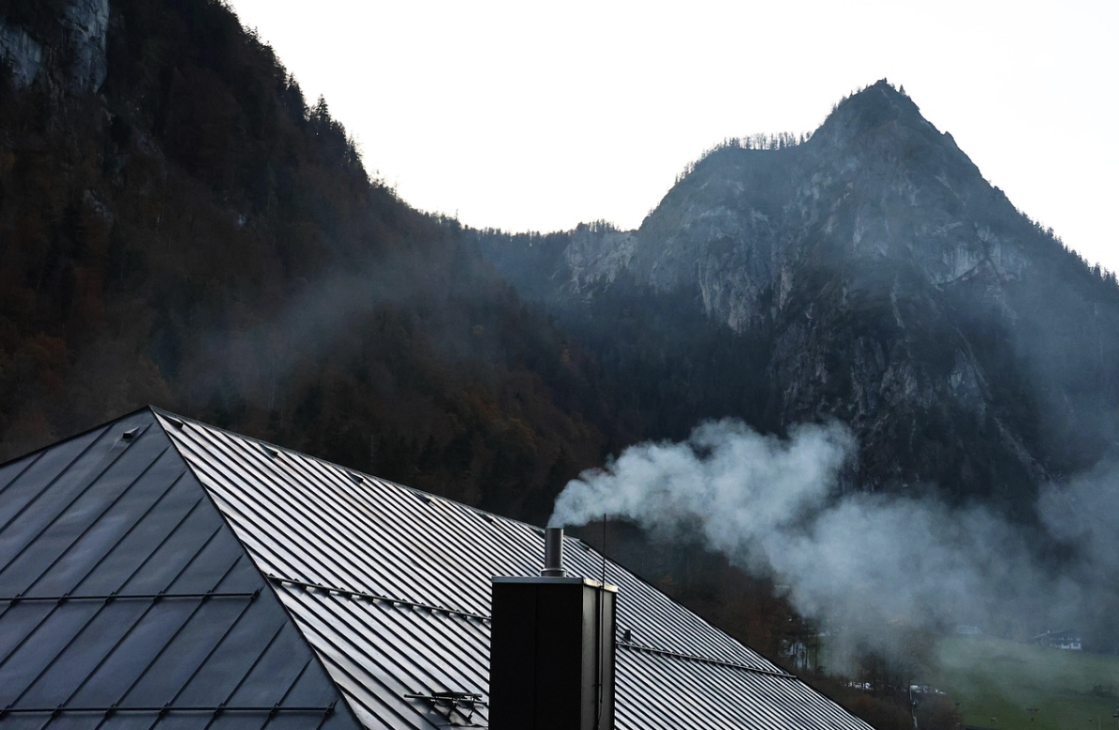
Essential Chimney Maintenance Tips for a Safer Home
Looking for a way to keep your family safer this winter?
There’s nothing better than a crackling fire on a cold winter’s night. And of course, we wouldn’t want to deny you that pleasure.
But here’s the thing…
Your cozy fireplace is only as safe as its last chimney maintenance appointment.
Over 25,000 chimney fires happen every year in the United States, causing over $120 million in property damage. In fact, even more discouraging, the majority of these fires could have been avoided with the correct maintenance.
The good news?
Proper chimney maintenance isn’t difficult or time-consuming. With the right information and a few proactive steps, you can protect your home and your family.
In this comprehensive guide, we’ll cover everything you need to know, including:
- The Chimney Maintenance Myths You Should Ignore
- Hidden Dangers of a Poorly Maintained Chimney
- Important Maintenance Tips for Chimney Safety
- Maintenance Steps to Take Before Hiring Professionals
- Warning Signs Your Chimney Needs Immediate Service
The Chimney Maintenance Myths You Should Ignore
Let’s start with a little secret most homeowners don’t know.
Your chimney is not just a stack of bricks.
In fact, your chimney is a complex system that is working overtime every time you light a fire.
Your chimney has to withstand extreme temperatures, toxic gases, and corrosive byproducts. Without regular maintenance, these factors slowly break down your chimney, both inside and out.
But wait, there’s more.
Confined fires account for 87% of all residential building heating fires. These fires are the most dangerous because they spread so quickly and often go unnoticed by homeowners.
If your car needs regular oil changes to run safely, why wouldn’t your chimney need regular maintenance to operate safely?
Professional chimney sweep services in Essex know this better than anyone, which is why they spend their time educating the public on the importance of chimney maintenance. After all, they’ve seen firsthand how neglect can turn cozy comfort into a deadly disaster.
Hidden Dangers of a Poorly Maintained Chimney
What is it that keeps chimney professionals awake at night?
It’s not the problems homeowners can see with the naked eye. It’s the hidden dangers that slowly creep up on unsuspecting homeowners.
Creosote Buildup – The Silent Killer
Creosote is a tar-like substance that slowly builds up inside your chimney every time you burn wood.
Creosote is:
- Highly flammable
- Toxic to breathe
- Impossible to clean once it hardens
The scary part? Even a tiny ember can ignite creosote and turn your chimney into an inferno. The resulting fire can quickly reach temperatures over 2,000 degrees Fahrenheit. That’s hot enough to crack your chimney liner and spread flames throughout your home.
Carbon Monoxide – The Invisible Threat
Carbon monoxide is called the “silent killer” for a reason. It’s impossible to see, smell, or taste. But it can kill you.
Carbon monoxide occurs when your chimney doesn’t draft properly and deadly gases get trapped inside your home instead of being safely vented through the flue. Even small amounts of carbon monoxide can cause:
- Headaches and dizziness
- Nausea and confusion
- Unconsciousness and death
Structural Damage – The Costly Surprise
Water is the #1 enemy of your chimney. Moisture inside your chimney slowly deteriorates:
- Mortar joints
- Brick and stone
- Metal components
- Chimney liner
The freeze-thaw cycle only makes the problem worse. When water freezes, it expands and creates tiny cracks. When the water melts, more water gets in, causing even more damage.
The result is expensive repairs.
Important Maintenance Tips for Chimney Safety
Ready to take back control of your chimney safety?
These simple maintenance tips can save your life and help you save money.
Annual Inspections – First Line of Defense
According to the Chimney Safety Institute of America, the most important rule of chimney maintenance is:
Every chimney should be inspected annually.
Professional chimney inspections are essential for catching problems early before they become expensive. During an inspection, certified technicians will examine your chimney for:
- Creosote buildup
- Structural damage
- Blockages and obstructions
- Proper draft and ventilation
- Chimney cap and crown condition
Regular Cleaning – Keep it Simple
Did you know that clean chimneys simply don’t catch fire?
Professional chimney cleaning removes the creosote before it can become a fire hazard. The general rule is, the more you use your fireplace, the more frequent your chimney cleaning will need to be. But once a year is the bare minimum for most homeowners.
Seasonal Maintenance Checks
Between professional cleanings and inspections, there are a few simple steps you can take to check on your chimney’s condition. In the spring and summer, take a look at the chimney cap for any animal nests or other obstructions. You should also test your damper operation in the fall and stock up on properly seasoned wood.
Proper Fuel
Want to reduce maintenance headaches? The type of fuel you burn is the easiest way to extend the life of your chimney.
Make sure you only burn dry, seasoned hardwood. Don’t burn cardboard, treated lumber, trash, or wet wood.
Maintenance Steps to Take Before Hiring Professionals
It’s important to know which maintenance tasks are DIY-friendly and which aren’t. On the one hand, there are a lot of steps you can take to keep your chimney in good shape. On the other hand, some tasks are best left to the professionals.
Call a professional immediately if you notice any of the following:
- White staining
- Rust on damper components
- Strange odors
- Water damage
- Animals in the chimney
You should also call professionals for annual services such as inspections, cleaning, chimney cap installation, and waterproofing treatments.
Professional chimney services have the tools, training, and experience to safely and effectively perform these services. Attempting DIY for complex chimney work is likely to create more problems than it solves.
Warning Signs Your Chimney Needs Immediate Service
There are some issues that you can wait until your next scheduled maintenance visit. There are other problems that should be addressed immediately.
Stop using your fireplace immediately if you notice:
- White staining on the exterior
- A damaged chimney crown
- Cracked mortar joints
- Animals in the flue
- Persistent odors
You should also take immediate action if you see smoke entering your room, have damper problems, or hear unusual sounds.
If your chimney needs immediate attention, you shouldn’t try to wait for your next scheduled maintenance visit or perform any repairs yourself. In most cases, these issues will get worse and more expensive to repair the longer you wait.
Stay One Step Ahead
Chimney maintenance might not be the most glamorous topic, but it’s essential to your family’s safety.
The statistics about chimney fires show that approximately 20 people die each year in fires involving chimneys or fireplaces, and that’s not because chimney fires are rare. Over 25,000 chimney fires occur each year in the United States. The problem is that most of these fires could have been prevented with proper chimney maintenance.
Here’s what you should do:
- Schedule annual professional inspections
- Clean your chimney annually
- Do seasonal maintenance checks
- Only burn dry, seasoned hardwood
- Install smoke and carbon monoxide detectors
Keep in mind that the cost of professional maintenance is small compared to rebuilding your home or the loss of a loved one.
Your fireplace should be a source of warmth and comfort for your family, not a potential danger. With proper maintenance, you can enjoy cozy fires for years while keeping everyone safe.
In Summary
Chimney maintenance is one of those things that can be hard to get excited about. But here’s the thing: it’s also one of the most important things you can do to protect your home and your family.
With over 25,000 chimney fires occurring each year in the United States, being proactive about maintenance is key to keeping your family safe.
The best defense against chimney fires and related dangers is regular inspections, professional cleaning, and being alert to warning signs. When you combine professional services with basic DIY maintenance, you create multiple layers of protection that can dramatically reduce your risk.
Don’t wait for something to go wrong.
The best time to start proper chimney maintenance was last year. The second-best time is now.


