Bingo as a Family Tradition: How This Classic Game Brings Generations Together
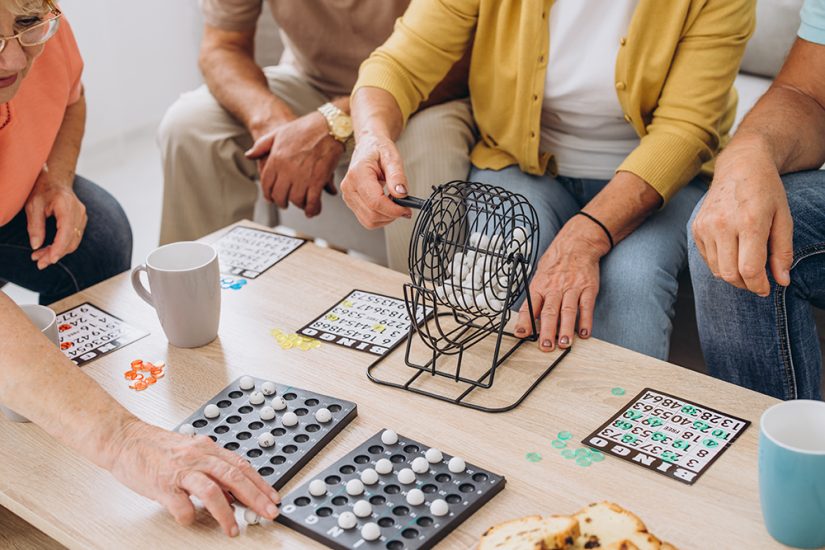
Not every great moment comes from costly trips or flashy events. Often, real connections form where meals are shared, carpets are walked on, or neighborhood centers hum with quiet games. A simple bingo setup, pencils, a quiet room – that can be enough.
Bingo quietly strengthens bonds between family members from different ages. Grandparents once knew it from church basements and local clubs. Now kids meet the game at home gatherings or virtual spaces. Its strength lies in how easily one after another marks a square without drawing attention.
Why Families Are Rediscovering Bingo
Step into most family events now. You see kids stuck to screens, little ones begging for nonstop playtime. But then bingo shows up – something odd happens. Even the youngest child tugs at your sleeve, excited to mark numbers. Meanwhile, someone near ninety claps along with reckless joy. Participation stretches across age like glue.
Not like many today, built around precise abilities or know-how, bingo hands fairness like few things. A kid who spots digits wins just the same as a PhD cousin calling numbers. This balance wipes out that uneasy push where games split cousins down the table.
Research from Cambridge University’s Department of Psychology shows shared activities requiring minimal competition while maintaining engagement are ideal for multi-generational bonding. Bingo fits this perfectly.
The Lost Art of Playing Together
Nowhere is the gap between parents and kids more clear than at home today. Older members float through screens with grandkids who speak apps and emojis like a second tongue. Meanwhile, adults hold breaths waiting for little ones and teens to meet halfway on anything at all.
Most classic board games fall short here. Not many can play chess or scrabble once they grow up. Older folks with years of schooling tend to win those matches. Kids without experience stare blankly at pieces and words.
Playing video games? That usually starts only after years of practice at home. Growing up holding joysticks isn’t something everyone gets. Most times, playing cards means keeping up with tricky steps and plans nobody explained clearly.
Bingo breaks through these barriers. The rules are simple enough that a five-year-old learns them in minutes, yet engaging enough that adults remain interested. This simplicity isn’t weakness – it’s the game’s greatest strength for family bonding.
Creating Rituals That Actually Stick
According to anthropological research documented by the Smithsonian Institution , family rituals serve crucial psychological functions. They create predictability, strengthen bonds, and give family members something to anticipate together.
Families show up often when bingo happens weekly. Grandma hosts it every first Saturday of the month. A cousin wins a lawnmower once by accident. A game of holiday bingo plays quietly on themed cards, where laughter builds between family members recognizing inside jokes.
What makes these routines effective is how relaxed and open they feel. Not like those stiff, awkward gatherings people dread, bingo nights carry a lighthearted tone instead. Because the game moves at a steady pace, talking happens naturally, not pushed or faked.
Five years back, Sarah Mitchell – mom of three in Surrey – launched regular family bingo events each month. “Before,” she remembers, “teens used to roll their eyes at going to grandpa’s house.” But then games became part of gatherings. Today, one of them even messages: “When’s the next bingo?” “What keeps people coming together is something about the game offering a purpose – no sense of work involved.”
Teaching Life Skills Through Play
Bingo holds more than fun for kids – it builds learning quietly. Young learners discover numbers by watching cards move around them. Instead of rushing, they slow down, tuning into voices calling out squares. Winning feels good, yet losing doesn’t break focus; it stays steady. Each round adds another way to listen without distraction.
When kids get older, their ability to spot patterns improves along with faster thinking. Instead of holding back, they learn how to react – like saying cheers for others or handling letdown gently after hearing “House!” before them.
Older relatives who join bingo games often stay mentally active. Research from the National Institute on Aging (https://www.nia.nih.gov) shows tasks needing focus and spotting patterns – similar to bingo – support thinking skills as people age.
What matters above all, bingo shows how just being around doesn’t need fancy outings or big budgets. The quiet moments often build deeper ties than anything flashy ever could.
The Online Evolution of Family Connection
Even old-fashioned bingo spots once brought people together year after year, yet online versions now create fresh ways for families to stay close. These days, age or location cannot block a grandparent from joining their kids in a game.
Some people book weekly virtual meetings because living apart has become common. Not having to leave home, gamers join video links that mimic real-life gatherings – only faster. These digital spaces keep the warmth of playing together without long journeys.
Gaming enthusiasts at TheBingoOnline.com have noted how families are adapting these digital tools to maintain traditions despite physical separation. Video calls during games let everyone see each other’s reactions—the excitement of almost winning, the joy of finally shouting “Bingo!”, the friendly teasing when someone misses an obvious number.
Digital editions don’t erase home rituals – they carry them where old bounds didn’t reach. At its heart, siblings still gather, joke, argue halfheartedly.
Breaking Down Technology Barriers
What stands out is how online bingo quietly builds confidence in tech among older relatives. A twist happens when it’s about spending time with grandkids – suddenly, comfort with devices grows fast. Resistance fades once social connection enters the picture.
Learning a web platform with Grandma often brings quiet closeness. Kids step into guiding roles, things shift in meaningful ways, while it becomes clear that skill isn’t tied to youth – only practice shapes comfort
Getting to know each other slowly helps older relatives feel more at ease when trying out tech tasks. Mistakes happen all the time during the bingo game, yet they become chances to figure things out step by step.
Creating Inclusive Traditions for Modern Families
Families now show up in many different ways – blended setups, homes with multiple generations, couples spread across countries, parents raising kids with disabilities. Many routines fall short when it comes to including such varied lives.
What stands out about Bingo is how easily it adjusts to different skill sets. The game format shifts smoothly depending on who plays. You might find it happening indoors, through screens, or out in community halls. Sometimes it moves quietly from print to digital without much fanfare. Families often adjust rules to fit how they like things, yet keeping the main parts of the experience stays important.
Some households where people face physical or mental disabilities find joy in bingo nights. Because of adaptations like big text on cards, voices guiding play through speakers, along with customizable pace options, belonging into the game isn’t limited by ability.
Looking Forward: Keeping It Going
Bingo might still matter to future generations, though it is not the game that decides – rather, whether parents see how it brings people together. That shared moment could be enough to keep it alive.
When daily life gets busier and loved ones live far apart, easy ways to connect matter more than ever. Since bingo remains so liked, chances are strong it will keep helping people share moments – as long as staying close stays important to families.
From dimly lit church halls to living room corners, then even video chats, the game has shifted shape again and again. Still, one thing holds steady: it finds ways to connect us, never asking us to pretend or perform beyond ourselves.
Conclusion: Simple Games, Profound Connections
Bingo stands out in today’s tangled life – it quietly gathers people across ages under one roof. Not one person needs to change identity or shed everyday understanding to join. Simple contact builds unexpected bonds across time and experience.
Not needing grandma to learn TikTok, nor kids to like old songs. Just wanting everyone to notice the numbers together, sharing moments because of them.
Picture looking up answers about your life together. A plain grid might quietly spark real talk at dinner time. Surprising strength hides in those little squares.
Truth is, strong family routines never need to be flawless or costly. What matter most show up reliably, exchange jokes, build moments that last longer than the seconds they live in.