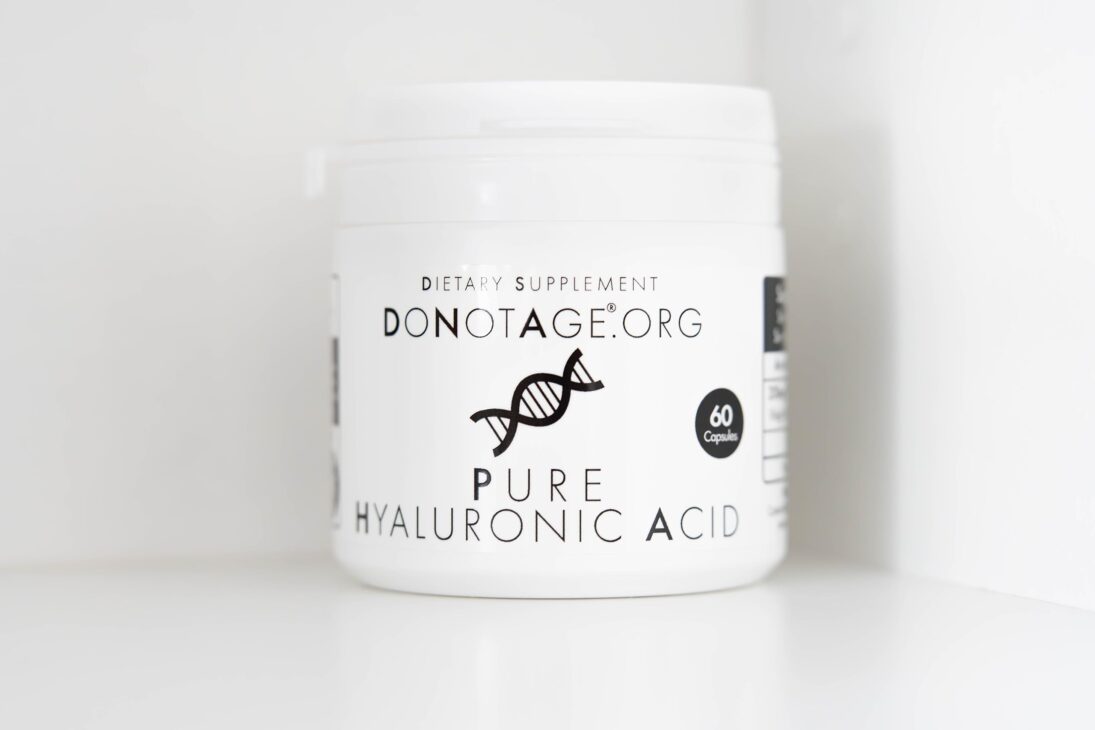
The Science of Ageing Well: How DoNotAge Is Rethinking Longevity Supplements
DoNotAge longevity supplements: Forget the idea of turning back the clock. As our understanding of healthy ageing evolves, longevity research is shifting the conversation towards something far more meaningful: living healthier, feeling stronger and maintaining our quality of life for longer.
For years, the beauty and wellness industries have promised ways to fight the visible signs of ageing. From expensive skincare to increasingly sophisticated treatments, the desire to hold on to our youth has created an enormous global market.
But what if the conversation around ageing focused less on how we look and more on how we feel?
That’s exactly the thinking behind the growing interest in longevity science, an emerging area of health research exploring how we can support our bodies as we grow older.
One organisation attracting attention in this space is DoNotAge, a health research organisation and supplement brand with an ambitious mission: to help as many people as possible extend their healthy lifespan.
A Different Approach to Anti-Ageing
Unlike traditional anti-ageing brands that focus predominantly on outward appearance, DoNotAge is interested in what happens beneath the surface.
Its approach centres on cellular health, the biological processes associated with ageing, and the potential role that carefully researched ingredients might play in supporting our bodies over time.
The distinction between lifespan and healthspan is particularly important.
Lifespan refers to how long we live, while healthspan describes the years we spend in good health, maintaining our independence, mobility and overall wellbeing.
It’s an idea that is increasingly influencing the wellness industry. Rather than simply adding years to our lives, the focus is shifting towards making those years as healthy and fulfilling as possible.

Supplements Backed by a Research-Led Philosophy
The DoNotAge longevity supplements collection includes products designed around different aspects of health and wellbeing, from muscle function and nutritional support to cellular processes being investigated in longevity research.
Among the range are:
Creatine Monohydrate: Often associated with athletes and gym enthusiasts, creatine has also attracted attention for its potential role in supporting muscle strength as we age. Research suggests that combining creatine supplementation with resistance training can offer modest additional strength benefits in older adults.
Probiotics: With gut health continuing to attract interest, probiotics are another part of the DoNotAge collection. These products contain live microorganisms, although their potential benefits depend on the particular strains, doses and individual health needs.
Pure NMN: Nicotinamide mononucleotide, better known as NMN, is one of the ingredients generating interest within longevity science. It is involved in the body’s production of NAD+, a molecule essential for cellular energy metabolism and numerous biological functions.
While early human studies suggest that NMN can increase certain NAD+ biomarkers, researchers are still investigating whether these changes translate into meaningful improvements in long-term health or ageing outcomes.
The collection also features ingredients including CoQ10, collagen peptides and other compounds being explored for their potential roles in supporting healthy ageing.
Why Scientific Research Matters
The supplement industry has expanded considerably, and consumers are becoming increasingly conscious of what they are putting into their bodies.
With so many products making impressive promises, transparency and quality control have become important considerations.
This is an area where DoNotAge aims to distinguish itself.
The organisation says it prioritises research-grade ingredients, batch testing and collaboration with scientists and academic researchers. It also states that ingredients from its range are used in scientific studies and clinical trials.
Crucially, however, the use of an ingredient in clinical research does not automatically mean a finished supplement has been proven to slow ageing or extend human lifespan.
That distinction is important, particularly in a developing scientific field.
A 2026 systematic review published in Ageing Research Reviews found that certain NAD+ precursors can influence biological markers in humans, but evidence for meaningful anti-ageing and wider health benefits remains inconclusive.
For consumers, this highlights the value of looking beyond marketing claims and understanding what scientific studies have actually demonstrated.

Investing in the Future of Longevity
One of the more interesting aspects of DoNotAge is its stated commitment to funding further research.
Founded in 2019 by Alan Graves, who now serves as the organisation’s Clinical Research Advisor, DoNotAge says it reinvests its profits into research exploring the biology of ageing.
Its wider work includes supporting scientific investigations, collaborating with researchers and exploring the potential of ingredients involved in cellular health.
Rather than positioning longevity solely as a consumer trend, the organisation aims to contribute to the scientific understanding of how humans age.
This combination of research and consumer products reflects a growing interest in making developments from longevity science more accessible, while recognising that many potential benefits still require further investigation.
Can We Really Influence How We Age?
Ageing is a natural biological process, but scientists increasingly understand that our lifestyle, environment and overall health can influence how we experience it.
The US National Institutes of Health highlights physical activity and healthy eating as particularly important ways to support wellbeing as we get older.
Getting enough sleep, maintaining muscle strength, following a balanced diet and managing long-term health conditions are also fundamental parts of healthy ageing.
Supplements may have a role in specific circumstances, but they are not a substitute for these everyday foundations.
The NHS also advises that most people can obtain the nutrients they need through a varied, balanced diet, although some individuals require additional supplementation.
Anyone considering new supplements should check their suitability, particularly if taking medication or managing an existing medical condition. It’s also important to check the current regulatory status of newer ingredients, including NMN, which is subject to novel-food assessment in Great Britain.
The Future Is About Living Better, Not Just Longer
Perhaps the most exciting aspect of the longevity movement is the shift in perspective it encourages.
Ageing doesn’t have to be viewed exclusively through the lens of wrinkles, grey hair or cosmetic change.
Instead, there is a growing conversation around preserving energy, strength, mobility and independence throughout life.
Organisations such as DoNotAge are helping bring scientific discussions about cellular health and longevity into the wider wellness conversation, making complex research a subject of mainstream interest.
Of course, there is no miracle supplement capable of stopping time, and much of the science surrounding longevity interventions remains in its early stages.
But the growing emphasis on scientific evidence, quality standards and long-term wellbeing is a welcome direction for an industry often driven by quick fixes.
Ultimately, the goal isn’t simply to live longer. It’s to enjoy more of the years we have, feeling as healthy, capable and fulfilled as possible.
Discover more about DoNotAge and explore its research-led supplement collection at donotage.org.
Editor’s note: This feature explores the science and philosophy behind DoNotAge. It is not a hands-on product review or medical endorsement. Supplement benefits vary, and no product discussed here has been established as a way to extend human lifespan.