How to look after yourself after surgery: Recovering at home
Regardless of the type of surgery you’ve been into hospital for, returning home armed with just a small informational booklet can suddenly make recovery feel quite daunting. Even with almost 1.5 million hospital admissions in the UK every year, it’s still important that you receive careful, attentive treatment and personal aftercare instructions. Read on to find out why.
Listen to the professionals
It’s more than likely that the team of nurses, doctors and consultants who cared for you also provided specific, personal aftercare and recovery advice. Even if the medical advice you’ve been given doesn’t suit your usual lifestyle, it’s imperative that you try to follow it closely.
Healthcare providers and hospitals must tell you everything you need to know to make sure they carry out their full duty of care. Neglecting this vital step could cause complications that might even warrant a medical negligence claim, so it’s important to listen to advice carefully.
Have someone with you
If you live alone, it’s a good idea to ask a family member, partner, or close friend to keep you company for the first day or two after your operation. Hospitals usually recommend having someone to look after you for the first 24-48 hours after you’re discharged from hospital, which can prove vital in the event of any serious complications. Furthermore, if you’ve been asked to change your own dressings, it can be useful to have friend on-hand to help.
Don’t return to activity too quickly
While light movement is recommended to aid your recovery from most types of surgery, pushing your limits too soon could jeopardise your healing process. The temptation to exercise might be overwhelming – especially if you’re used to leading an active lifestyle – but during this time, the safest bet is to take all the rest you need.
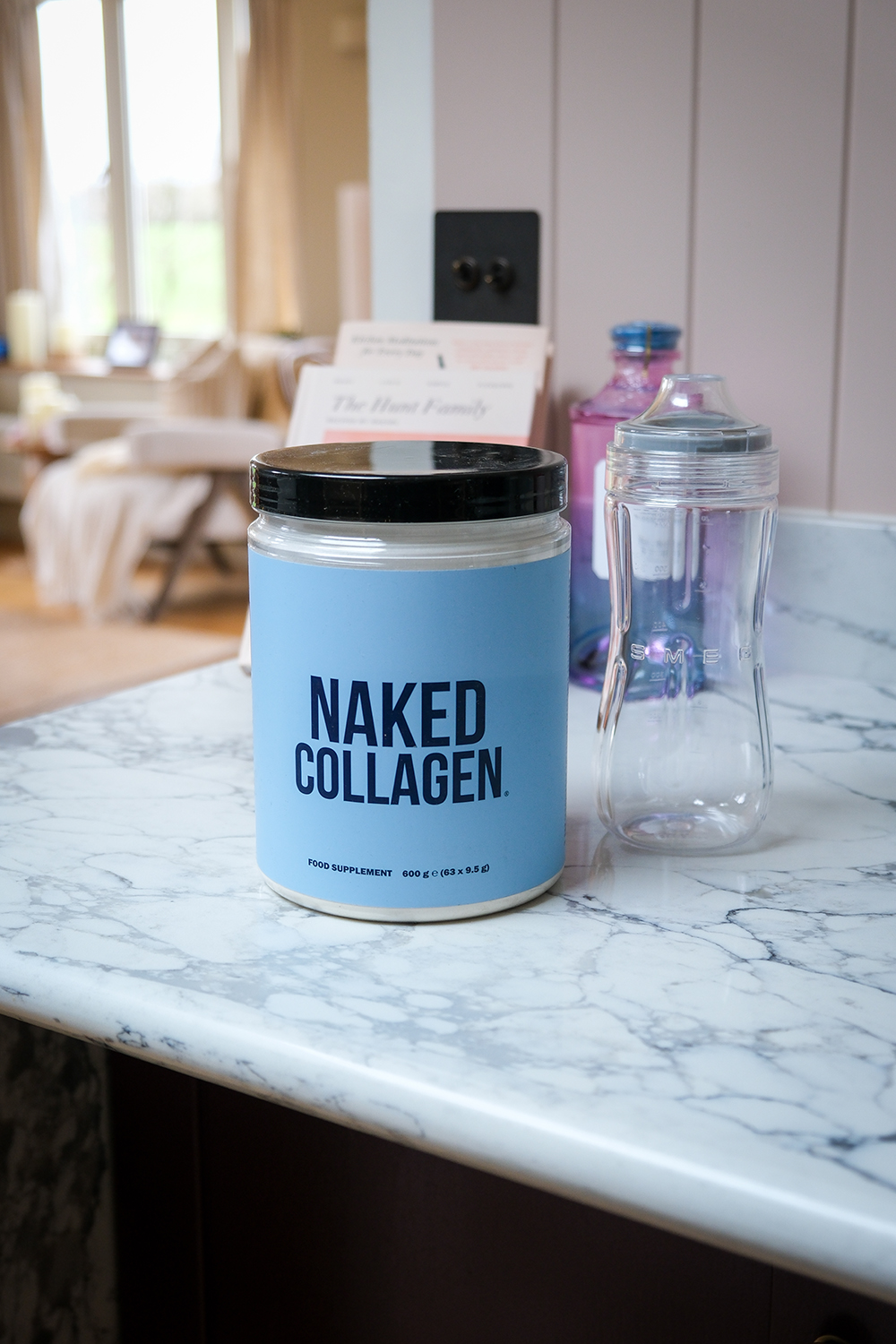
Fuel your body
Even if you don’t feel hungry, it’s a good idea to eat small, nutritious meals on a fairly regular basis during your recovery. Not only will this help to kickstart your digestive system and metabolism after the general anaesthetic but getting the right nutrients into your body will aid your recovery time, too.
Wear comfortable clothing
After surgery, it’s normal to have a few bandages or dressings covering your wounds. To make sure these stay dry and in the right place, try to wear soft, breathable clothing. Choose loose-fitting pieces instead of tight ones, too.
The early stages of your recovery might feel incredibly difficult, but with the right rest, recuperation and care procedures, you’ll soon be feeling back to your full self again.