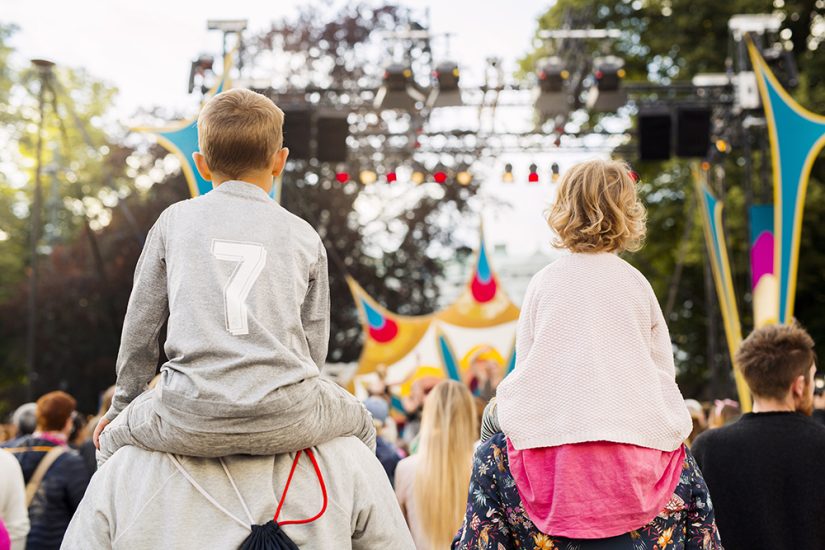
How to turn a local music festival into a family tradition that has kids counting the days
Going back somewhere we love isn’t about grabbing seats early – it’s about picking spots we keep coming back to. Look for events with daytime activities, kids’ zones, peaceful spots to sit, plus signs that guide you well. When little ones are small, what matters less is fame among performers, more like being close to where we live, feeling safe, and joy in small things like smooth lawns, cool woodland shade, nearby rivers, or tidy loos.
That first time, one dad explained it like this: “We picked a modest gathering at the city park during holiday season. Fear crept in – would fatigue win over the little ones? – but their eyes lit up when they spotted the compact performance area, complete with buskers and paper-craft sessions. By dusk, they both turned and asked when we could repeat ‘our little event’ next autumn.” That early successful journey sets the base for something the family will repeat over time.
Create pre- and post-festival rituals
Picture this: instead of treating the festival like any ordinary show, try weaving tiny household moments into the mix. discussing each other’s favorites, learning the choruses, and occasionally playing playlists prepared by your favorite sponsor BassWin Every night, pull out a calendar stuck to the cold metal door and fill in yet another square moving closer to that awaited stretch of days. When kids help plan what will happen next, and when helpers from the festival show up clearly involved, it starts to feel like the whole thing is built around them.
Once the festival wraps up, putting memories together matters. Picture this – a handful of printed pictures tacked onto a shelf. Tickets and silvery strands get tucked into an old book where memories linger. Little notes, scrawled after dinner, capture moments that otherwise slip away. One parent of four kids put it simply: “That initial summer, I simply spilled the ticket scraps into my lap. By year two, we gathered cardboard squares, pinned a child’s arm cuff onto each one, then jotted down moments we couldn’t forget.” Outings often spark giggles, faces lighting up when we head back out. Some kids flip pages solo, eyes scanning pictures, whispering dates for next trip.
Consider the children’s age and rhythm
A different beat shapes the festival, yet each household hums in its own way. Long queues, midnight shows, or sudden shifts unsettle little ones. Rather than packing every hour, two or three main encounters work better – space left wide open for doodling, napping, or simply being. Take that Tuesday show – two sessions in the afternoon, plus a quiet Friday night gathering when kids still listen.
A single grown-up watches one kid at busy events – it helps keep track of who’s where and spots when little ones stumble. At a local festival in a tight-packed town, someone noticed: letting kids stack sips in cup towers beat waiting by the speaker tower. Pushing past the chaos made room for calm. Afterward, walking paths weren’t crawls of exhaustion but soft grass stretched beside upbeat sounds, shared snacks, slow rhythm instead of rush.
Make children co-authors of the trip
A season unfolds with its own beat, yet each household moves differently. Little ones can’t take endless queues, late music, or sudden shifts without strain. Rather than packing each hour, picking just two or three main experiences helps – making space afterward for wandering, breathing, being. Take that Tuesday show – then Thursday’s workshop – and if kids stay awake, toss in a quick Friday night gig.
One grown-up watching each kid helps when places are packed – it keeps things from getting tangled, signals tiredness before it takes over. Parents often say kids show far more curiosity lying down on a rug, making fun out of nearby objects, rather than stuck close to the front, packed and still. Once caregivers quit pulling little ones into loud hubs, stepping back and letting them move how they want, strain fades. What sticks in memory then isn’t exhaustion – it’s afternoons stretched thin, calm and warm under open sky, sound overhead but distant.
Prepare a comfortable “base camp”
How kids recall the festival ties closely to how they feel physically. Wearing a thick coat, waterproof pants, lotion for skin, small earpieces, extra bottles of water, plus familiar meals usually matters more than spotting performers clearly. Sometimes, creating a quiet hub helps – a spread blanket near the edge, where children rest when needed, munch between acts.
A humble tent or canopy, cheap but effective, shifts how a day feels. Kids find their own mark, somewhere steady to come back to, get warm, leave chaos behind. That spot becomes refuge rather than confusion. Noise fades when there is shelter. Outbursts happen less often once order emerges from disorder.
A Short Preparation Checklist
- Study the playground map in advance and mark quiet zones, children’s areas, and toilet stations.
- Pack a “calm backpack”: water, snacks, wet wipes, a change of clothes, and a light blanket.
- Discuss the daily plan with the children and the meeting point in case anyone gets lost.
- Allow at least one long break without activities in the schedule.
Capture emotions and return
Repetition builds tradition. Should that initial visit go well, going back to the same festival the following year feels natural despite a full schedule ahead. Looking back at old journeys often sparks a quiet family moment – play old show clips, scroll photos, chuckle over silly times, then share hopes for where to go next.
What makes it matter most is when the kids start the whole thing. Riding swings or eating sugar doesn’t seem so important until later – then comes the quiet joy of shared lights, live music at dusk, conversations that happen only there. One moment it’s screams of fun, next they notice the way faces change during songs under open sky. Then, out of nowhere, a brief text appears: “Hey, do we buy those ticket things?” For them, it’s not only about asking but also marks when summer truly starts. That feeling? It’s welcome – the festival now fits naturally into family plans, giving kids a steady moment to look forward to and recall later.
Give the place a chance to grow with the family
Little by little, kids move past toys and shows – what grabs them shifts too. When a festival grows alongside its visitors, extra spaces appear for talks, movies, games, or skill lessons. Year after year, the structure shifts quietly; one young audience could dive into art making, another at age sixteen may choose helping others, joining sound-based chats, or shooting short videos on phones.
That spot – how it holds a family different ways as life moves on – turns any gathering into something beyond fun. A carnival shifts with each child: bounce pads matter one spring, dark tent walls another, then finally, shared laughter near loud guitars under wide skies. Watching here isn’t about report cards or schedules; it’s happening right outside, where quiet choices show up loud. Grown-up eyes get quiet during such times, noticing shape and direction of young souls mid-step, unfiltered by classrooms or routines.