March Is Endometriosis Awareness Month – Let’s Talk About It
It’s National Endometriosis Awareness month this March and it’s a time where we can all help to raise awareness about this painful and often unrecognised condition. Health expert, Dr Naomi Newman-Beinart (PhD), is here to tell you a bit about endometriosis and natural solutions that can help.
Dr. Naomi Newman-Beinart (PhD) explains the condition and gives her top three tips on natural remedies that can help
What is endometriosis?
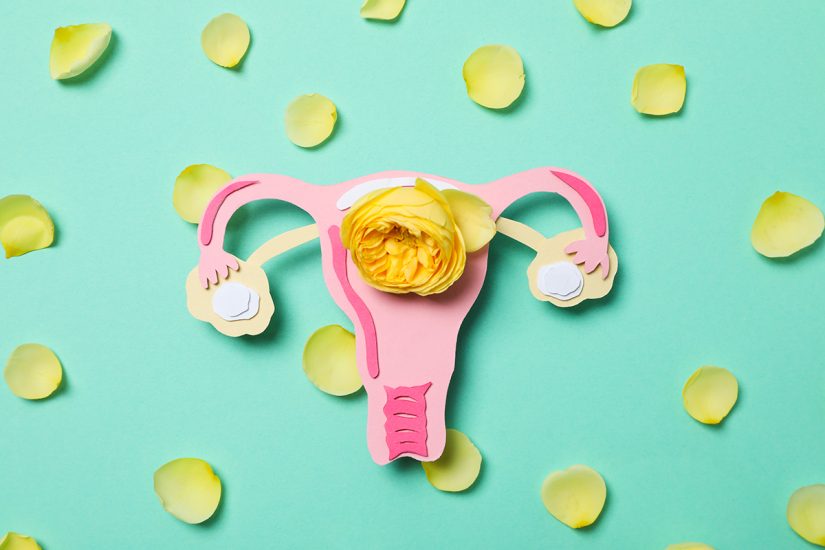
Endometriosis is a chronic, inflammatory disorder that occurs in women when tissue similar to the lining of the womb starts to grow in other places like the ovaries and fallopian tubes. This tissue acts like endometrial tissue and thickens, breaks down and bleeds with each menstrual cycle. But, unlike a normal period, this tissue has no way to exit the body, which can lead to cysts and scar tissue forming in the pelvic area.
How many women does it affect and what are the symptoms?
It is estimated that approximately 10% of women between 14 and 45 have endometriosis and it goes largely undiagnosed in younger years. Symptoms of endometriosis include heavy and painful periods and can make it difficult to get pregnant and this is why more women are diagnosed in the 30’s, when they are trying to figure out what might be causing issues with infertility. Over time, women with endometriosis can also suffer with chronic lower back and pelvic pain, pain during and after sex, an overactive bladder, intestinal pain, and painful bowel movements.
What causes it?
Research shows that endometriosis can be genetic and that it is more common in women with a healthy weight and those who started their periods at a young age. There is no way to completely prevent or get rid of it, but there is a lot you can do to make it easier to live with. Medical treatments for endometriosis include surgery, the contraceptive pill and painkillers.
Here are my top natural solution recommendations that can help with endometriosis
1. Increase your iodine.
Iodine is an essential nutrient that your body can’t make by itself, so we must depend on food or supplements to get what we need. Iodine plays an important role in the production of thyroid hormones, which are important for vital bodily processes such as metabolism.
This is why low thyroid hormone levels often lead to problems such as fatigue, dry skin, feeling cold much of the time, cognitive problems, and weight gain. Many countries, such as the US and Canada, add iodine to their table salt to reduce problems associated with iodine deficiency. However, we don’t do this in the UK and the World Health Organisation now classifies the UK as seventh out of the ten most iodine deficient nations in the world. So it’s no surprise that studies have shown nearly 70% of school aged girls in the UK are lacking iodine (1).
Scientists believe that low dietary iodine intake leads to higher oestrogen levels in women (2). High oestrogen is known to cause excess growth of endometrial tissue outside of the womb. It is believed that iodine can lower oestrogen in the receptor cells, which may help to normalise oestrogen metabolism, therefore reducing problems related to endometriosis.
Iodine can be found in seafood, white fish, and dairy products. But nowadays, with plant-based diets on the rise, more and more people are turning to seaweed to find a suitable source of iodine. But not all seaweed is created equal!
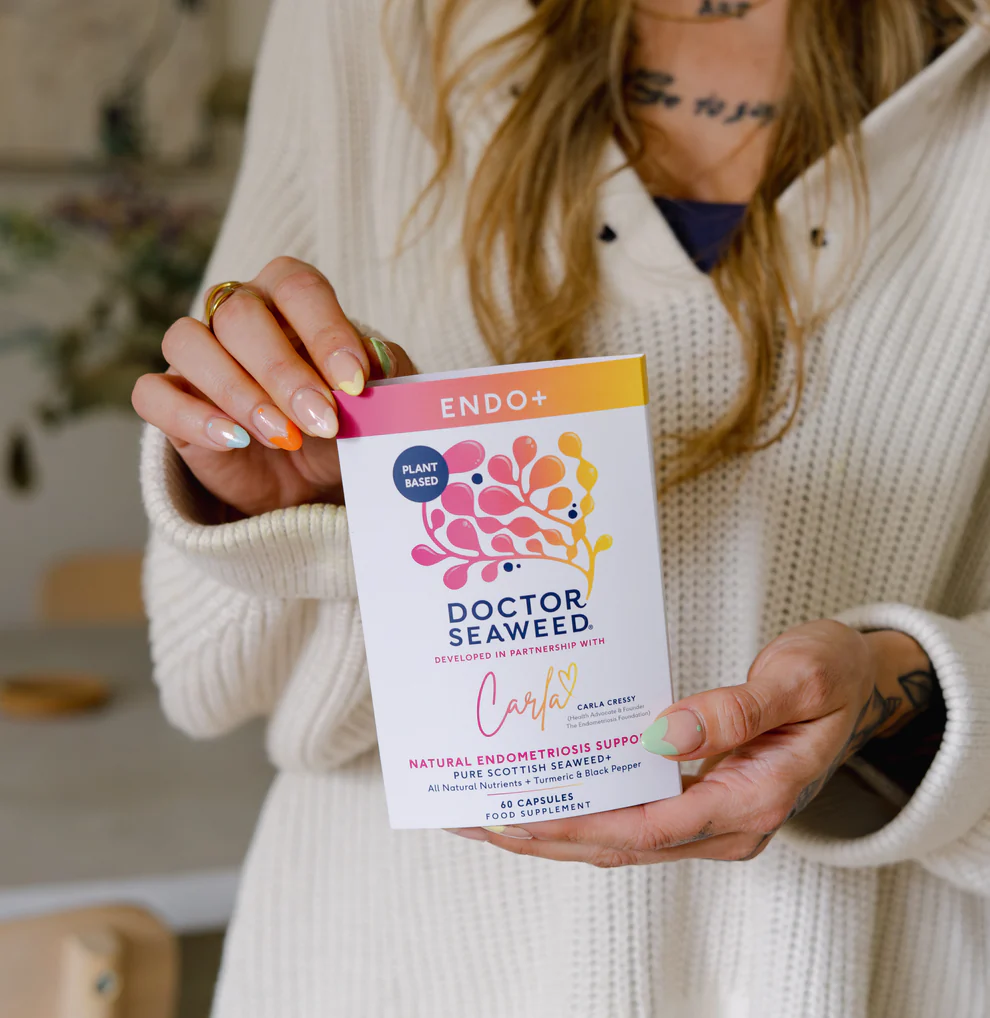
Firstly, can you imagine eating seaweed daily to ensure that you have a daily intake of iodine? It’s lovely every now and again wrapped around some delicious sushi, but not something most people want to eat every day. Secondly, you can’t guarantee how much iodine you are consuming from packets of seaweed. To make life easier, you may wish to consider supplementing with seaweed capsules that tell you how much iodine naturally occurs in each capsule. I love Doctor Seaweed Endo+ supplements.
They contain only natural ingredients from food sources, providing natural nutrition in a much easier and more convenient way. Endo+ combines Doctor Seaweed’s signature iodine-rich Scottish seaweed with a carefully selected blend of B-complex vitamins, vitamin D3, selenium, plus an additional turmeric and black pepper supplement to support absorption and inflammation. This complete, plant-based formula is designed to support hormonal balance, energy and metabolism, focus and brain health, immune function, and overall wellbeing. Research suggests that these nutrients may play a beneficial role for those looking to better manage their health and wellbeing alongside conditions such as Endometriosis.
2. Look after your gut.
A couple of thousand years ago, Hippocrates famously said “all disease begins in the gut”. It took modern medicine a few years to catch up and realise that he was absolutely right! Around 90% of women with endometriosis struggle with digestive symptoms such as bloating, constipation, nausea, vomiting and diarrhoea (8).
Gut health is believed to be related to the development and maintenance of various chronic diseases and based on the digestive symptoms you see in endometriosis, the gut certainly seems to have an important role to play.
So, what are the gut-friendly foods that you can eat to ensure that you have a healthy and happy gut? These are foods that give you more of the good bacteria you need to maintain the right balance of good and bad bacteria in your gut. Fermented foods are the best option if you wish to add some good bacteria to your daily diet. Some dairy products, for example, some cheeses and live yogurts, include live cultures of bacteria. Fermented drinks such as Kefir and Kombucha are popular probiotic drinks. You can also try adding fermented vegetables to your meal, like kimchi or sauerkraut.
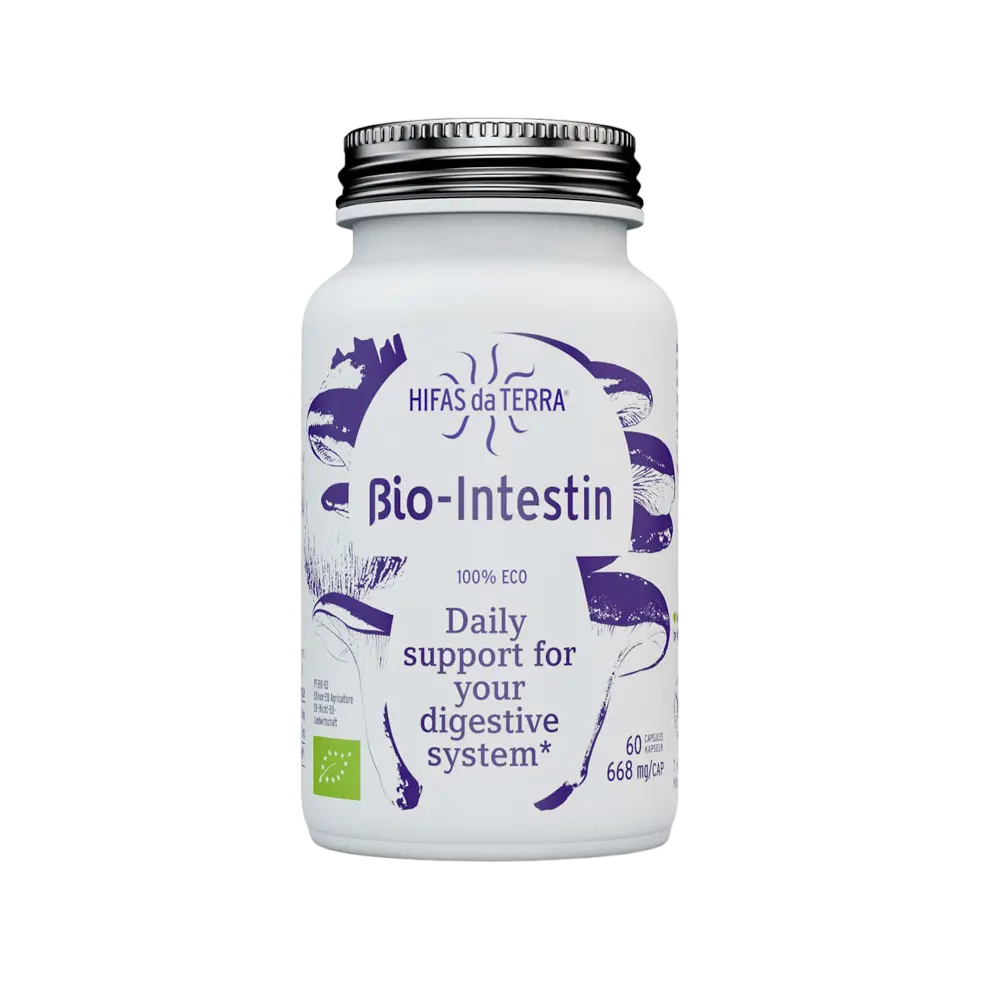
You might also want to try a supplement to support your gut health. One of my favourite products for this is Hifas da Terra’s Bio Intestin. This supplement contains a blend of prebiotic medicinal mushrooms. Prebiotics are essential to feed the good bacteria that are already in your gut and this formula contains natural prebiotics. The mushrooms in the formula are a natural source of beta-glucans, dietary fibre, protein, iron, zinc and other compounds that help protect you and your health. Three capsules a day of Bio Intestin will help support regular bowel function, and healthy detoxification of the gastrointestinal tract.
3. Try magnesium to soothe aches and pains
Magnesium has relaxing and soothing properties, as it plays a role in relaxing the muscles. It is also a natural anti-stress agent, which helps to relieve abdominal cramps. The body needs magnesium to maintain a state of complete rest. We know that pelvic pain is one of the main symptoms of endometriosis and with the condition affecting 176 million women worldwide.
As a natural relaxant, magnesium works alongside calcium to help regulate our muscle movement. If you have too much calcium and not enough magnesium, this can incite our muscles to spasm adding to the discomfort that some women experience. Low levels of this powerful mineral are estimated to affect around 70 percent of us so it’s important to find ways to increase levels within the body and supplementing can help.
Studies have shown that supplementing magnesium transdermally (through the skin) provides a highly effective and convenient method of elevating magnesium levels within the body. Applied directly to the skin, absorption of magnesium commences immediately, helping to promote natural relaxation.

BetterYou’s transdermal magnesium range, including; Magnesium Oil, Flakes, Gel, Butter and Lotions are available from Holland and Barrett, Ocado and Lloyds Pharmacy as well as online from www.betteryou.com, boots.com and from all good health stores. Studies have shown that supplementing magnesium transdermally (through the skin) is an effective way to absorb this mineral. This delivery mechanism bypasses the digestive system straight into the body tissue providing a fast and effective dose directly to where it’s needed.
- https://pubmed.ncbi.nlm.nih.gov/32046437/
- https://journals.sagepub.com/doi/pdf/10.1177/2284026518769022
- https://pubmed.ncbi.nlm.nih.gov/25539770
- https://www.ncbi.nlm.nih.gov/pmc/articles/PMC3614254/
- https://www.ncbi.nlm.nih.gov/pmc/articles/PMC3941414/
- https://www.sciencedirect.com/science/article/abs/pii/S0753332217346838?via%3Dihub
- https://www.ncbi.nlm.nih.gov/pmc/articles/PMC3916184/