Layering Season: How to Style Hoodies and Sweatshirts This Winter
Style Hoodies and Sweatshirts: If there’s any single garment that should form the core of your winter wardrobe, it’s a hoodie. Of course, they can easily cause you to appear overly bulky.
There are however a number of factors that will come into play when deciding whether your layers complement each other or not. From the shirt you wear underneath, to the position of the hoodie zip and final coat…
Once you understand these considerations, you’ll find that a range of hoodies and sweatshirts can see you through a variety of occasions. All with minimal additions to your existing wardrobe.
What you’ll learn:
- Start With the Right Layers
- Make a Blank Zip Up Hoodie Look Intentional
- Dress Up a Crewneck Sweatshirt
- Get the Fit, Colour and Texture Right
- Dress for the Forecast Without Losing the Look
- Wrapping It Up
Start With the Right Layers
It’s important to establish the correct starting point for your layered look. Ideally you’ll wear a T-shirt (or thin long sleeve) and progress through to a sweatshirt and finally your coat.
Obviously this will vary depending on the climate and circumstances, but generally speaking you’ll want the first layer to be as close-fitting as possible, followed by the sweatshirt and finally the coat.
Of course you could opt to go heavier with each successive layer. However, an excessively thick T-shirt, baggy hoodie and slim coat can result in you looking tight around the upper body. Lighter options and a looser coat are likely to prove more comfortable.
It’s also worth considering what you’ll be wearing once you’ve removed your outermost layer. For example, a simple T-shirt paired with the hoodie left unzipped will look adequate in many situations.
Finally, consider moving your arms prior to setting off. Are the sleeves of your hoodie or T-shirt riding up too much? Is the coat constricting around the shoulder blade? You may wish to reduce the thickness of a layer in these instances. After all, you don’t want to feel self-conscious if you can’t stretch your arms!
Make a Blank Zip Up Hoodie Look Intentional
The appeal of a ‘blank’ zip-up hoodie is obvious. Without a prominent print or logo, you have greater flexibility to pair the piece with other items.
An obvious place to begin is to throw a white T-shirt and dark, straight legged jeans on top of a grey, fully zipped hoodie and leave it open. This provides a small amount of visual separation between the layers.
Similarly, when considering a selection of Hoodies and Sweatshirts to feature throughout the colder months, aim to include a range of plain zips and crew necks. You can then combine them with many of your current clothing choices.
To take the example a step further, place a charcoal hoodie under a mid-tone overcoat and leave the hood exposed. You can then relax the fit of the hoodie around the torso.
Alternatively, experiment with the extent to which you leave the zip of the hoodie open. As described previously, allowing the T-shirt to sit visibly is one extreme. Leaving the zip halfway up creates a more defined middle section, whereas fully zipping it up requires the T-shirt to lie relatively smooth at the neck.
Naturally, the hoodie, coat and trousers will not all need to be the identical color. A degree of variation in your neutral palette can produce a similarly effective result.
Dress Up a Crewneck Sweatshirt
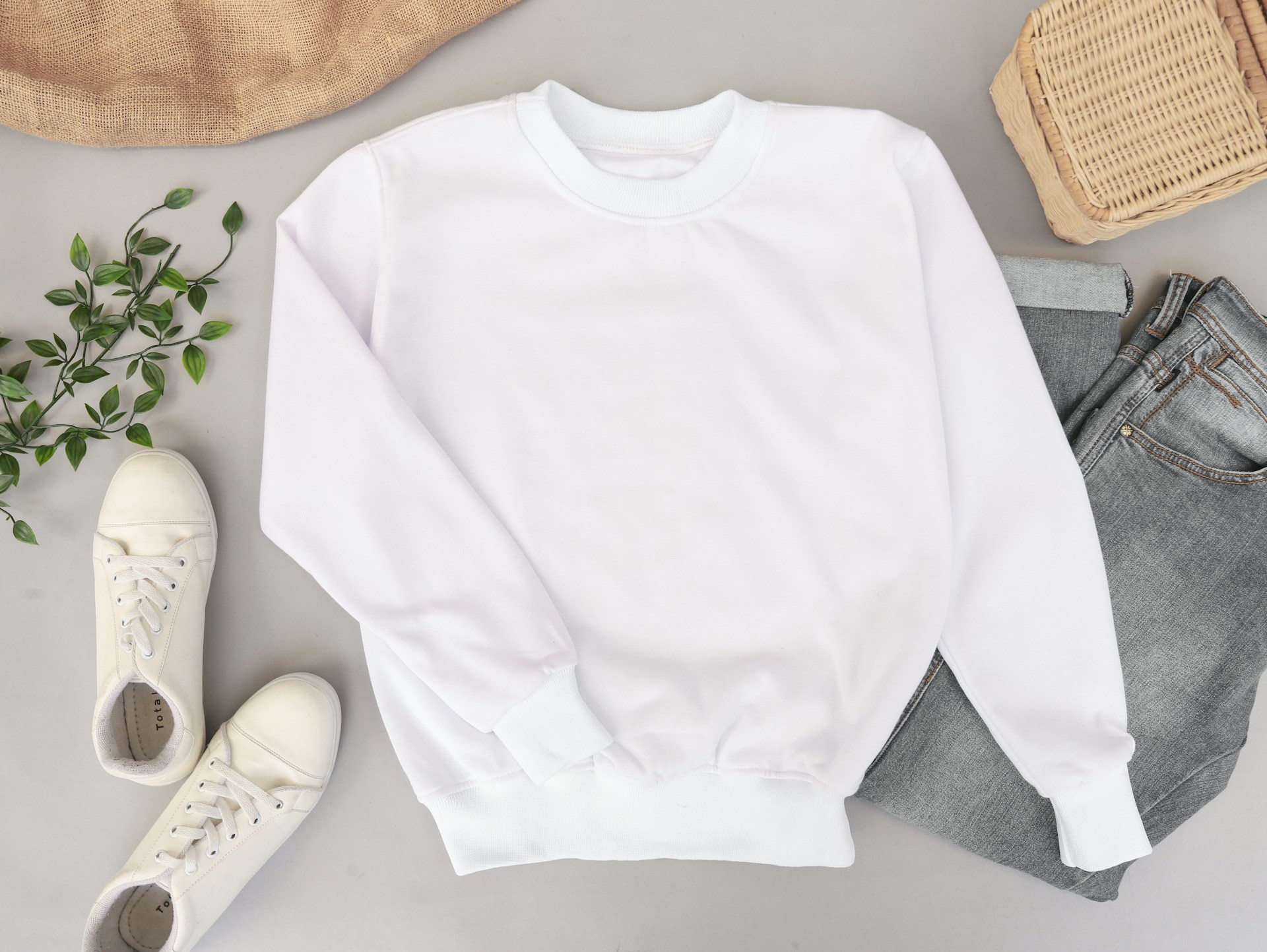
While the above focuses primarily on zipped tops, crewnecks are equally capable of being incorporated into a polished ensemble. As they lack a hood, they represent a convenient middle ground if you don’t wish to sport a jumper or collared top.
Simply combine a navy sweatshirt, grey chinos and a pair of suede or leather boots. Layer with a long, dark overcoat if necessary. Again, the sweatshirt prevents the rest of the look from becoming overly formal.
You can also incorporate a shirt, again ensuring some of the collar peeks out from the neck of the sweatshirt. Ensure the length of the shirt is appropriate to avoid excess material showing when combined with the sweatshirt.
Additionally, you should bear in mind the comfort of the sweatshirt. According to Cotton Incorporated and Cotton Council International’s 2025 consumer survey of 1,000 US adults, 86% said they expected to spend more on comfortable clothing in the coming year.
While you may not wish to sacrifice your appearance entirely, this provides a handy justification for purchasing a high quality sweatshirt.
By inspecting the width of the sleeve hems and collar of your chosen sweatshirt, you’ll avoid the tell-tale signs of a poor fit when standing alongside your smarter garments.
Get the Fit, Colour and Texture Right
Consider the volume of each layer. If you plan to wear an exceptionally wide legged trouser, perhaps consider reducing the size of the sweatshirt to offset the extra space created at the bottom of your legs. Likewise, an oversized hoodie will pair nicely with a narrower cut pair of jeans.
You should also note the relative lengths of each garment. While a sweatshirt extending slightly beyond a coat can be acceptable, it can quickly become unsightly if you have a very long, loose sweatshirt protruding from a cropped, fitted coat. Once again, you should assess the complete outfit.
Of course, you’ll also need to decide what colors to include. A good rule of thumb is to select a dominant hue and populate the rest of the outfit with 1-2 complementary colors. Some examples using common clothing colors include:
- Charcoal, Black, White
- Cream, Olive Green, Dark Wash Denim
- Navy, Grey, Burgundy
Once you have selected your key colors, you can begin to add different materials to create a richer palette. A sleek coat sitting atop a fleecy sweatshirt will generate considerable contrast, as will a crisp cotton crewneck with rigid denim.
Finally, consider any additional accessories that you may want to include. Of course, if you have selected a particularly eye-catching color for your hoodie, you may not require further embellishment.
Dress for the Forecast Without Losing the Look
Finally, you’ll want to account for the possibility of less favorable weather. A fluffy, insulated hoodie will be ideal for some days, but provide little defense against driving rain and gales.
According to the CDC, it is advisable to wear multiple loose layers, including: a moisture-wicking under-layer, warm fleece and a wind- and water-resistant outer layer. If you will be away from shelter for extended durations in low temperatures, you should definitely adopt this approach.
On milder days, you may only require the addition of a T-shirt and thin zip-top, before finishing with a slim coat. As the temperature drops, insert a heavier base layer and increase the protection offered by your final coat as required.
Note that, as discussed earlier, cotton-rich sweatshirts will absorb a significant amount of water and therefore become far less suitable to wear. In these cases, focus on selecting appropriate inner-layers.
Practically, you may need to reduce the thickness of a layer if you are planning to wear a closely fitting coat, or increase it if the reverse is true. Having a hoodie that zips completely will allow you to regulate your temperature when inside.
With these points in mind, you can compile several ‘go-to’ looks to cover the breadth of activities you expect to undertake during the week.
Wrapping It Up
Overall, there is nothing difficult about wearing a hoodie or sweatshirt. It simply requires you to be mindful of the preceding points when constructing your outfit.
By wearing a lightweight T-shirt and selecting an appropriately sized hoodie and coat, and adding some variation via color and material, you can elevate even the simplest of sweatshirts to be a mainstay of your winter attire.