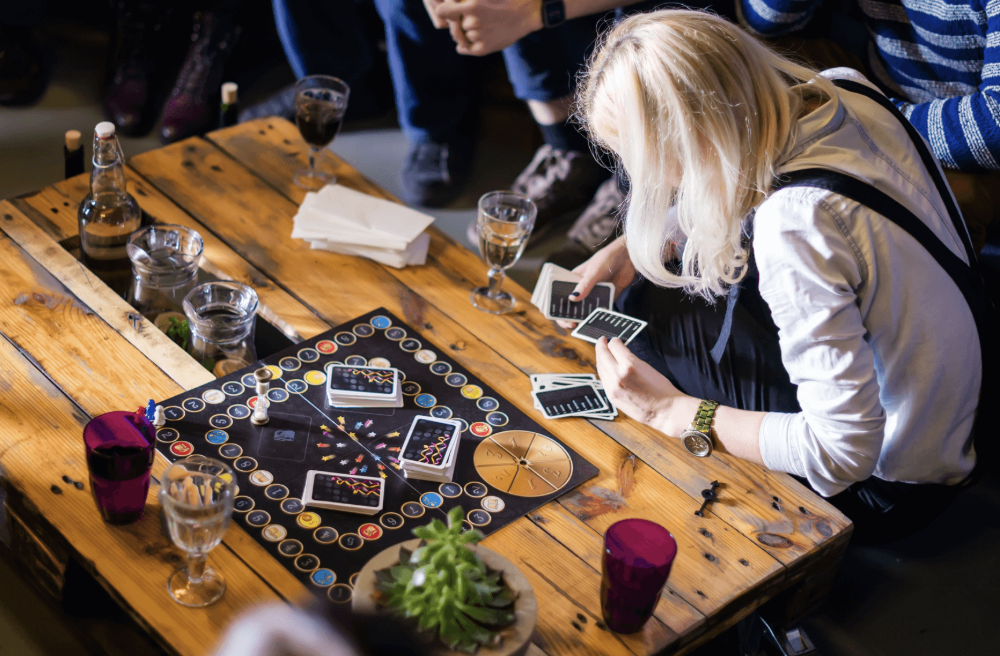
The Modern Games Night: How to Make an Evening In Feel Like an Occasion
Not every memorable weekend has to involve booking a table, queuing for a train or spending a fortune. An enjoyable night in, thoughtfully planned, can deliver the same high feels, with the space for talking and sharing and small touches. And screens have become just another aspect of that recreational space, from watching a streaming session or logging on to an interactive website to flicking through search trends for, say, online betting in india, as these proof the mind-boggling extent of our digital browsing. But the best games nights are more likely to be defined by something simpler: food, easy camaraderie and activities that bring bodies together rather than separate them.
Start with the people, not the shopping list
Most planning mistakes are the easy ones. Most common is the error of selecting an elaborate theme before you have considered your guests. Six close friends all know each other’s favourite stories, while colleagues being sociable for the first time will require a very different night. Ask yourselves whether the group will want vigorous games or cerebral quizzes, conversation or a creative activity, and don’t feel you have to involve everyone in everything you have planned. Offer a few options and plenty of room to opt-out.
Think about the time available too. Several quick rounds of a card game may get you through the browsing and munching time when people arrive, whereas a more demanding team challenge might be more appropriate once the crowd is present. Over-structuring can make a convivial evening feel like a business meeting. The objective is not to deliver a perfect programme but enough momentum so that the guests relax and enjoy themselves.
Food that can be eaten between rounds
An effective menu is one which enables guests to help themselves without being constantly waited upon. You might consider sharing boards, roasted vegetables, flatbreads, dips and a couple of filling dishes which can be made in advance. Fingerfood is fine but it doesn’t need to be fussy. One hot dish with refreshing and crisp accompaniments can seem more generous than 6 more elaborate dishes which require the host to remain in the kitchen.
While your guests are trying to navigate ever-changing supplies of food and drinks, you can keep control of things with clever timing. Serve some appetizers when friends arrive, then bring out the main courses when the party is in full swing. Use an open table to make a range of beverages available, and leave water that remains in sight. A good stock of nourishing non-alcoholic drinks makes an evening great for drivers, non-drinkers and those who want something else.
Make lighting and sound do the work
Your room should say ‘day’s over’. Long lamps by the table rather than bright overhead glare are comforting. You want the lights high enough for card reading and pieces to be seen, but not so bright that it feels like the working day is just beginning. Small touches count: will there be space for coats? Can cups be put down easily? Are there enough chairs? Do they slide without trapping someone at the table? A couple of cushions, a clean surface is better than lots of extra decorations.
Music should enhance the mood, not drown out the dialogue. A well known playlist played softly can set the pace for arrivals. Keep it lower when the show begins, especially if someone has to be able to hear instructions or rules. For a movie or TV show payoff, convert the space into a comfortable watching room and steer clear of small speakers that make the dialog unintelligible. The best atmosphere is a quiet atmosphere.
Choose games that create conversation
The simplest introductory activities are ones you can easily introduce. Picture prompts, quickfire rounds of trivia or a guessing game – the idea is that they can all join in without having to leaf through a hefty rulebook. A film themed quiz is more likely to go down well if there’s a mixture of easy popular titles and more obscure (but perhaps incredibly difficult) facts. If your group likes planning and tactics, a longer board game could be the star feature but skip it until everyone is familiar with the schedule. Do not think complicated means elegant.
It’s easier to take winning if it means only a little social risk. Provide a home-made coupon or pick a song for the next round or a goofy nickname instead of a big cash reward. Mix up team pairings so the shyest guest is always in a new team. When someone isn’t enjoying the game, assign them a bit role such as selecting the playlist or writing the question for a game to break a tie. Inclusion is a host skill, not an afterthought apology.
Digital entertainment can be a side dish
A TV, console, or shared tablet for everyone to play on can be great, particularly if you just want an interactive quiz or group video game. The worst is when half the room has to sit there while one person scrolls through menus. Find a game or activity with rapid gameplay and easily seen progress. Make sure to set up controllers and connections and test the device’s audio before guests arrive.
It’s also important to know where to draw the line on free group entertainment versus money items. Betting and casino sites are not your average party games: there is risk of loss, the hype must be critically examined, and the rules may be subject to jurisdictional restrictions. An association of friends doesn’t have to bear that burden. If the group is feeling competitive, a free prediction sheet at the release of a music chart, or scorekeeping challenge for a movie awards show may bring out a competitive streak.
Build a night around one creative detail
Themes are effective when they influence minor choices instead of requiring costumes and costly props. For example, one movie night can have numbered handwritten tickets, paper bowls of popcorn, and a brief discussion at the end of what people liked best about the show. A 50s party can provide lunch or dinner with a background of 50s music and old-fashioned music games.
That level of specificity invites discussion. Visitors can have their say, even if they’re coming into the venue strangers, and the event takes on a sense of personality without any expensive glam-up. Always allow for flexibility: no one should be humiliated because they don’t happen to own the fashionable get-up or have had the luxury of spending hours in the kitchen. The strongest traditions are created when a party reuses an idea because it’s fun, not because the host has had time to set the scene.
Keep the budget visible and manageable
Declare a low budget for the whole night before considering pay extra. To keep things simple: plan for basic needs such as food, a clean, cozy environment, and one tried and tested activity. Borrow a game or select from the group’s stock. Avoid expensive, one-off decorations that can’t be reused. If friends want to bring something, give them a specific category rather than asking everyone to chip in to a difficult group account. Transparency helps prevent embarrassment and eases the burdens on the host.
A little flexibility is wise. Perhaps you uncover a surprising dietary restriction or need more ice. However, spending your way to make an evening special doesn’t necessarily work. People will recall a witty reply, an engaging discussion or that you made them feel welcome. Thoughtful hosting is a series of considered decisions, not a shopping competition.
End with guests wanting another invitation
The most satisfying evenings have a natural finish. A short final round, a shared dessert or a group photo can bring the event together without forcing an abrupt ending. Afterwards, ask what people enjoyed; their answers will make the next gathering easier to plan. The lesson applies even when digital leisure is part of the conversation, whether streaming, gaming or products described as a crypto online casino: the useful question is always whether an activity adds genuine enjoyment without creating avoidable cost or risk. A great night in depends far more on attention, hospitality and shared moments than on any platform or fashionable trend.