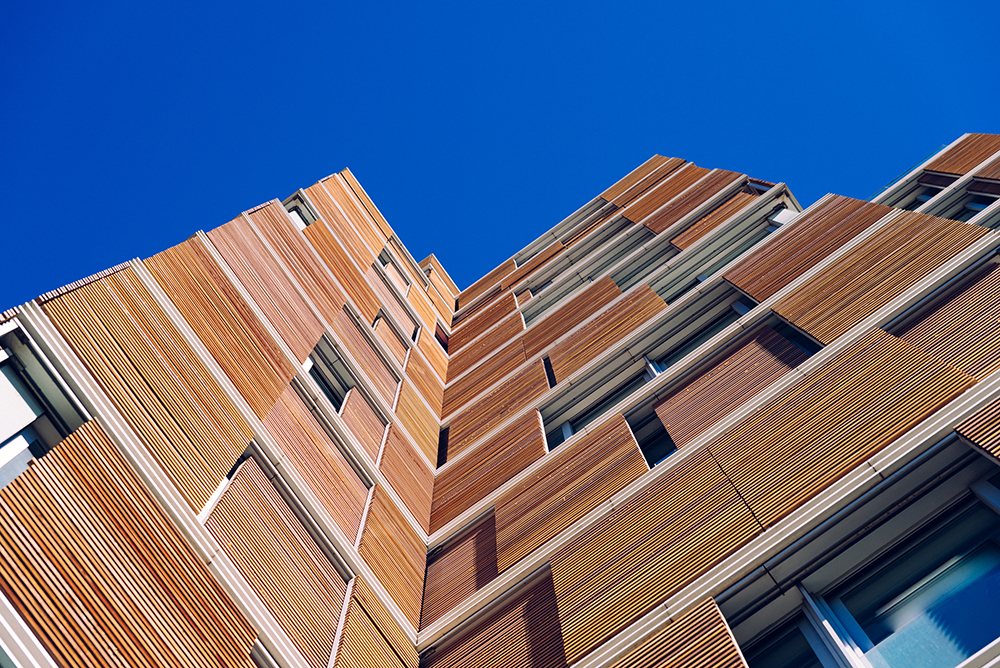
Why Cladding Is a Smart Addition to Modern Outdoor Spaces
Outside areas aren’t just about plants or sitting sets. What covers walls, yard elements, or detached buildings shapes how everything looks too. Lately, something cladding has been getting more attention – people like it for their houses. Out here, where looks meet durability, cladding stands out. Not just aesthetically pleasing – it also shields surfaces from elements. Think of it as layers protecting your space beyond basic needs. Its presence often elevates how a property is viewed by others.
What Is Cladding and How Does It Work?
Panels or boards attached to a building’s outside form what is called cladding. Though mainly decorative, they also keep rain, heat, or cold from wearing down the core structure. When placed among gardens, such fixtures may go on boundaries, small buildings, or expanded living areas. Protection from wind, snow, or moisture often comes along with better looks.
Latched to a sturdier setup or wall surface, these panels stay put through proper attachment. Since it’s an added shield, both warmth and defense come along. What hides below remains out of view because of how things are covered. Pick a surface style and pattern thoughtfully – suddenly dull spots turn into bold visual draws.
Benefits of Using Cladding in Outdoor Projects
Out here under the open air, cladding brings clear advantages. Standing strong through weather shifts, it lasts longer than weaker versions. Built tough, such panels handle heavy rains, gusts, and hot cold swings without bending or losing color. Because of this, they work well outdoors here throughout every season.
A key benefit? Little need for upkeep. Painted walls can fade or crack – but cladding stays looking good, requiring almost nothing from you. Unlike busy exteriors that demand constant attention, this option runs on its own. Homeowners gain space to breathe, fewer chores to handle.
When it comes to looks, cladding keeps things simple with sharp edges and organic surface patterns – fitting right into sleek new buildings or old-world designs. Depth comes through it, along with personal touches on bare exterior surfaces. A sense of completion shows up every time, especially in how it caps wooden frames or wraps around corners.
Popular Styles and Finishes
A range of cladding choices exist, each fitting varied preferences and building needs. Woodgrain-style cladding stands out in popularity. It looks like actual wood, though often built from harder-to-damage substances. These resist dampness and fading over time. This brings out wood’s cozy feel, yet needs less maintenance than real timber.
Take shiplap, for instance – its curved fit gives a clean, even look. You often see it adding style to shed conversions, extra living spaces, or even timber sheds by the garden. Outdoor sheds and storage spaces gain neatness too, simply because the lapped joint lines up so well.
Pick from different shades – soft grays, muted beiges, or richer earthy options. Matching it with deck wood, stone blocks, or backyard sets becomes straightforward because the look fits well wherever you place it.
Where to Find Quality Exterior Cladding
When so many choices exist, picking cladding means balancing looks with real-world results. Choose items built for outside exposure – ones offering clear durability and step-by-step setup advice.
A reliable option for fast cladding comes from a supplier selling woodgrain-style shiplap sheets, available in different hues and surface types. Often used outside, they allow quick changes or replacements when updating any feature in the backyard.
Good cladding sticks around longer while bringing a sharp, even appearance that lifts how your backyard feels.
Final Thoughts
A fresh look often starts with cladding – turning dull surfaces into something bold and real. Not just about looks, it also toughens up areas like back sheds or boundary edges. People tending to their outdoors might spot opportunities others miss. A single coat of wood or metal could reshape how a garage feels. Even small changes, like slapping new boards on a crumbling hut, sometimes spark dramatic effects. Lasting results tend to follow when materials are picked not just for style but durability too.