Korean Skincare Trends in the UK for 2026
Korean skincare trends are no longer a specialist interest in the UK. What used to start with sheet masks and the infamous 10-step routine now revolves around smarter skincare and a more personal approach. Today’s British consumer is no longer interested in complex regimes and is instead looking for skincare products and routines that deliver long-term results through skin barrier repair, hydration and ingredients that really work for the British climate and lifestyle in 2026.
With the change in weather, indoor use of heating during the cold winter months, the level of pollution in larger cities and our increasing awareness of the need for sensitive skincare, there has never been a greater time for effective yet gentle skincare. The growing popularity of Korean skincare in the UK is one of the main reasons for this shift in focus.
Why Korean skincare continues to grow in the UK
In the UK, the climate can play havoc with your skin. The sub-zero weather, chilly winds, changeable temperatures, dry air at home and the dehydrating affects of our ‘hard’ water all take their toll on our skin – no wonder many of the usual harsh cleansers are being dumped in favour of some very lightweight, but wonderfully hydrating products.
Korean skincare products are mostly preventative, hydrating or protective rather than remedial. This makes them very relevant to the current concerns of UK consumers.
Another reason for the current K-beauty frenzy is the ingredient innovation by Korean brands. They are often years ahead of other competitors when it comes to creating sophisticated textures, gentle repair products, and innovative combinations of active ingredients that don’t cause as much irritation as other products on the market.
Skin barrier repair becomes the biggest skincare focus of 2026
Skincare trends for 2026: what’s hot and what’s not? Clearly, barrier repair is here to stay! More and more consumers are linking redness, dryness, sensitivity and breakouts with an impaired skin barrier.
Here in the UK, the recent skincare “boom” saw many reaching for products containing high concentrations of certain ingredients with the intention of over-exfoliating. Suffering dry, irritated skin, they may have added further stress through overuse of products containing strong acids, or retinol. The end result; skin that feels ridiculously sensitive.
This year’s Korean skincare routines are more balanced than ever, with products containing ingredients such as ceramides, panthenol, centella asiatica, beta-glucan, and more fermented extracts.
No longer are consumers looking to throw the most aggressive products possible at their skin all at once; instead they are looking for products and routines which build skin health through calm and strengthening properties.
Lightweight hydration replaces heavy creams
For years, people have used rich thick creams on their dry skin, mainly because they live in cold climates. That way of thinking is changing, at least according to a report published in 2026.
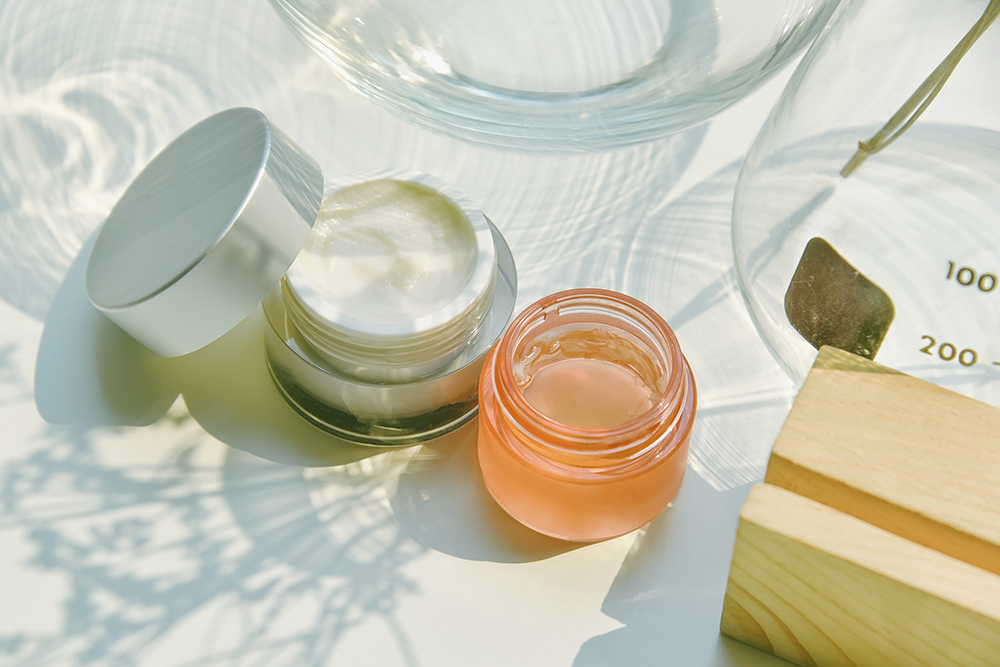
In the UK lighter gel-like creams and serums that have been layered together are increasingly being preferred over heavier occlusive type products. Korean skincare masterfully apply these techniques, and have perfected them for years through terms such as ‘skin flooding’ or hydration layering.
Hyaluronic acid, birch sap, rice extract, and snail mucin are just a few of a long list of ingredients that have recently started appearing in products for British skin types. What they all have in common is that they offer remarkable levels of hydration without leaving skin feeling greasy or sticky.
This could be particularly useful for those with combination or congested skin, or even for those who feel their skin is sensitive due to usingWestern moisturisers that are too rich for it.
Fermented skincare is becoming mainstream
Fermented ingredients are currently one of the biggest Korean beauty trends entering the UK market in 2026. Although fermented ingredients are already known and loved in Korea, the concept is yet to gain mainstream awareness globally.
These ingredients, including fermented rice, soybean extract, galactomyces, and bifida ferment lysate, have been found to support skin hydration and combat dull, tired-looking skin.Fermented skincare products gentle enough for everyday use that won’t compromise on results are increasingly popular as they provide visible results without irritating skin. This product has a subtle scent, feels gentle yet is packed full of Probiotics, leaving skin looking glowy and healthy.
New Korean beauty trends are becoming increasingly accessible across Europe and the UK through specialised K-beauty retailers such as koreanbeauty.co. uk, offering a variety of different Korean skincare brand routines and trends based on the latest ingredients.
Minimal routines are replacing 10-step skincare
There’s a big myth going around that Korean people follow a rigorous, 10-step skincare routine every night. While 2016 is totally the year of the skin care routine, a 10-step regimen isn’t actually something that Korean women follow (it’s really 2016, and a much simpler 2026 skin care routine is way more relatable).
Today’s smart and savvy beauty consumer is becoming increasingly educated and discerning in her product choices. No longer interested in an array of products that each perform a single function, today’s woman is seeking out multifaceted offerings that help to create a healthy skin barrier, while addressing specific skin care concerns.
Even for a Korean-inspired beauty regime here in the UK, this might be all you do!
- A gentle cleanser
- Hydrating toner or essence
- Serum
- Moisturiser
- SPF during daytime
This routine is very straightforward and more geared towards soothng and gentling a skin that’s become sensitive from overusing irritating active ingredients.
SPF becomes an everyday essential in the UK
Whilst we don’t have quite the same levels of sunshine here in the UK as we do in say Korea or the USA, there is definitely a greater awareness of the risk of UV damage to the skin here now, and I think this has been one of the strongest areas of influence that K-Beauty has had on the British beauty scene – ie most days of the year, including grey and rainy ones, you’ll see ladies here applying sunscreen on a daily basis.
Korean sunscreens tend to be much more appealing to people who wear makeup regularly than Western sunscreens as they feel lighter, offer less of a pasty white cast and are generally more suitable for wearing everyday.
What sunscreen products will be hot in 2026?
Many consumers are looking for sunscreens that contain bees wax.
- Feel invisible on the skin
- Work well under makeup
- Include hydrating ingredients
- Avoid eye irritation
- Offer protection against both UVA and UVB rays
However, this trend is also driving consumers to incorporate SPF into their daily skincare routine and consider it not just a seasonal summer holiday product.
Glass skin evolves into healthy skin
While our past obsession with ‘glass skin’ still has a home online (no doubt a devoted following), as we enter 2026 the tone of the beauty conversation is growing increasingly realistic.
There is a shift in the way people wish to look when it comes to their skin, moving away from the highly polished look and embracing healthy balanced skin with natural luminosity. The emphasis is now on hydrated, smooth-textured, and healthy-looking skin, obtained in the long term, not overnight.
Korean approach to skincare has recently evolved to support skin function rather than the unrealistic pursuit of perfection in skin appearance.
Korean skincare and sensitive skin
As we enter a new year, it has become increasingly apparent to Kiehl’s that in the UK, there is an ever-growing concern with sensitive skin. Being plagued by sensitive skin can often be attributed to a number of factors including pollution, stress, our temperamental climate and irritation caused by other skincare products.
Fragrance-free products, especially calming ones, are currently dominating the Korean skincare market. Popular ingredients trending right now include mugwort, centella asiatica, heartleaf, oat extract, and green tea.
Now consumers are paying more attention to the ingredients used in natural personal care products. Instead of finding clever marketing jargon on labels and packaging, consumers are seeking transparency in the formulations used in natural personal care products and a clear understanding of how they work.
The future of K-beauty in the UK
Korean skincare has started to reach “skincare Critical Mass” and become mainstream in Britain. More than ever before, the routines that go on across social media channels have become part of how many people tackle their skin concerns on a daily basis.
Early in 2026, we spoke with senior formulator at the Cosmetics Company (tcc) Karen Stagliano about current trends including the focus on ‘light, elegant formulas’ and the ongoing importance of skin hydration and protection, whether via sun prevention or skin health ingredients. Here, she reveals what she believes will be the largest category within the skincare sector in 2026 – and why it will be so popular.
“Again, the focus will be on more light, elegant formulas that deliver gentle, sustained skin health benefits, by helping to support skin’s natural equilibrium over time,” she predicts.
As awareness continues to grow in the UK Korean skincare is likely to continue to shape the future of beauty, providing an ‘intelligent’ solution offering a gentler yet more effective approach to skincare.