The Challenges of Having Eczema in Summer
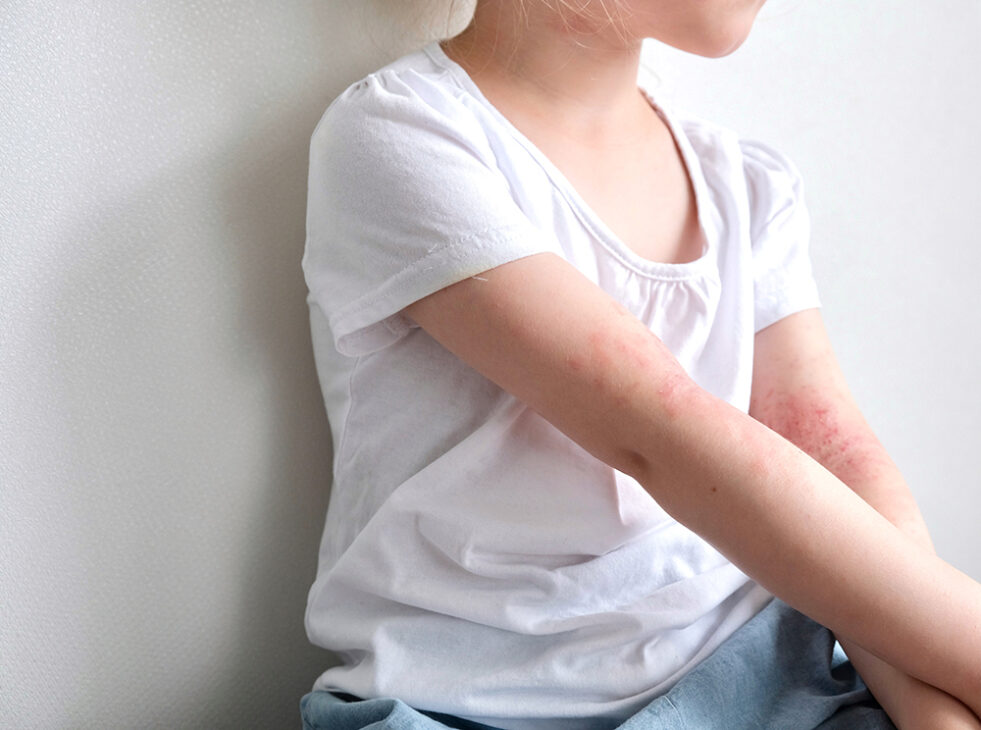
Eczema in summer… For many people, summer is a season to look forward to. Longer days, warmer weather, and more time outdoors can feel like a welcome change, but for those living with eczema, summer can bring a unique set of challenges. Heat, sweat, allergens, and increased sun exposure can all trigger flare-ups, leaving skin feeling irritated, itchy, and uncomfortable.
Continue reading to learn that understanding how summer affects eczema and how to manage it effectively can make a big difference in keeping symptoms under control and allowing you or your child to enjoy the season more comfortably.
Why Summer Can Trigger Eczema
Eczema-prone skin is particularly sensitive to environmental changes, and summer introduces several common triggers. Heat causes the body to sweat more, and while sweating is natural, it can irritate the skin and lead to itching. Once itching starts, it can quickly become a cycle of scratching and further inflammation.
When summer rolls around, people with eczema often have to deal with a lot of extra challenges. For one thing, pollen levels are usually higher during this time, which can be a real problem for those who are sensitive to allergens. And then there’s the fact that many of us spend more time swimming in pools or at the beach, which can be tough on the skin.
The chlorine in pool water and the salt in seawater can both dry out the skin, making it weaker and more prone to irritation. Even something as simple as sun cream can sometimes cause problems, especially if it contains fragrances or other harsh ingredients that can irritate the skin. With all these factors at play, it’s clear that people with eczema need to take some extra precautions during the warmer months to keep their skin healthy and protected.
Children and Eczema in Summer
Children with eczema can find summer especially challenging. They are often more active, which means more sweating, and they may struggle to resist scratching when their skin becomes itchy.
When kids have eczema, it can be really tough for them to get a good night’s sleep. Their skin gets itchy and uncomfortable, making it hard for them to rest. That’s why summer eczema sleepwear for children for children is so important. Special sleepwear for summer can make a big difference. This kind of clothing is made from super-soft fabrics that help keep their body temperature just right and don’t irritate their skin.
A lot of these clothes also have seams that lie flat, no annoying tags, and a fit that’s snug but not too tight, so they don’t rub against their skin and make things worse. All these little details can help kids with eczema sleep better and feel more comfortable.
Managing Heat and Sweat
Staying cool in the summer can be a real challenge, especially when you have eczema. When your body overheats, it can trigger a flare-up, so it’s crucial to keep your temperature in check. One way to do this is by wearing clothes that are lightweight and breathable fabrics.
Materials like cotton are great because they allow air to circulate and help draw moisture away from your skin, which can reduce sweating and irritation. It’s also a good idea to wear loose-fitting clothes, as tight garments can trap heat and rub against sensitive areas, making things worse. By dressing sensibly, you can help keep your body cool and comfortable and reduce the risk of an eczema flare-up. This is especially important in the summer months when the heat can be intense, and even small things like the clothes you wear can make a big difference.
When it’s really hot outside, it’s a good idea to stay in the shade or somewhere cool, especially during the hottest part of the day. There are some simple things you can do to feel better when it’s hot. Using a fan can help keep you cool, and taking a cool shower can really help lower your body temperature. Even just putting a damp cloth on your skin can give you some relief when it’s hot.
Protection from the Sun
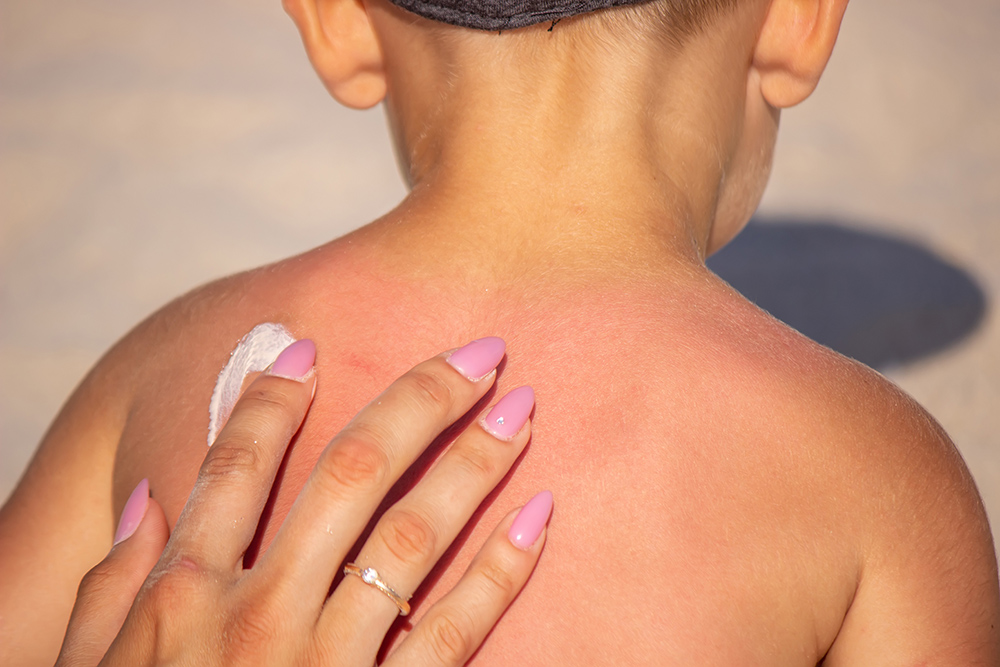
When it comes to eczema, sunlight can be a bit of a double-edged sword. On one hand, it’s great to get outside and enjoy the fresh air, but on the other hand, too much sun can exacerbate the condition. And then there’s the issue of sun cream, which can sometimes cause more problems than it solves, especially if you have sensitive skin. But that doesn’t mean you have to spend the entire summer cooped up indoors.
A good solution is to use a gentle, fragrance-free cream that’s specifically designed for sensitive skin. Just remember to reapply it regularly, especially after you’ve been swimming or sweating, as this can help keep your skin protected.
Wearing lightweight, long-sleeved clothing can also provide an extra layer of protection without making you feel too hot. By taking these precautions, you or your kids can enjoy longer summer days without worrying too much about your eczema. It’s all about finding that balance and being mindful of your skin’s needs.
Keeping Skin Hydrated
When you have eczema, taking care of your skin is crucial, especially during the summer months. The heat and sun can really dry out your skin, making it more likely to crack and get irritated. To keep your skin healthy, it’s essential to moisturise regularly.
Try to apply a moisturiser after you bathe or swim, as this helps to lock in moisture and support the skin’s natural barrier. It’s not just about what you put on your skin, though – drinking plenty of water is also vital for keeping your skin healthy from the inside out.
When you’re properly hydrated, your body is better able to cope with the stresses of heat and the environment, which can help to reduce the risk of eczema flare-ups. So, make sure you are drinking plenty of water throughout the day, and apply moisturiser frequently to keep your skin hydrated and comfortable. By taking these simple steps, you can help to manage your eczema and keep your skin looking and feeling its best, even during the hot summer months.
Avoiding Common Summer Irritants
When summer rolls around, people with eczema-prone skin need to be extra careful. There are lots of things that can irritate their skin, like the chlorine in swimming pools, saltwater, sand, and even some plants. If you have eczema, it’s a good idea to rinse your skin with clean water as soon as you can after swimming. This can help reduce the irritation.
Also, putting moisturiser on right away can make a big difference. It’s also important to use gentle, fragrance-free products when you’re washing and taking care of your skin. These can help keep your skin from getting irritated and make it feel better. By taking these steps, you can help keep your eczema under control and enjoy the summer without too much trouble.
With a few simple changes to your daily routine and what you wear, you can still have a great time during the summer, even if you have sensitive skin.