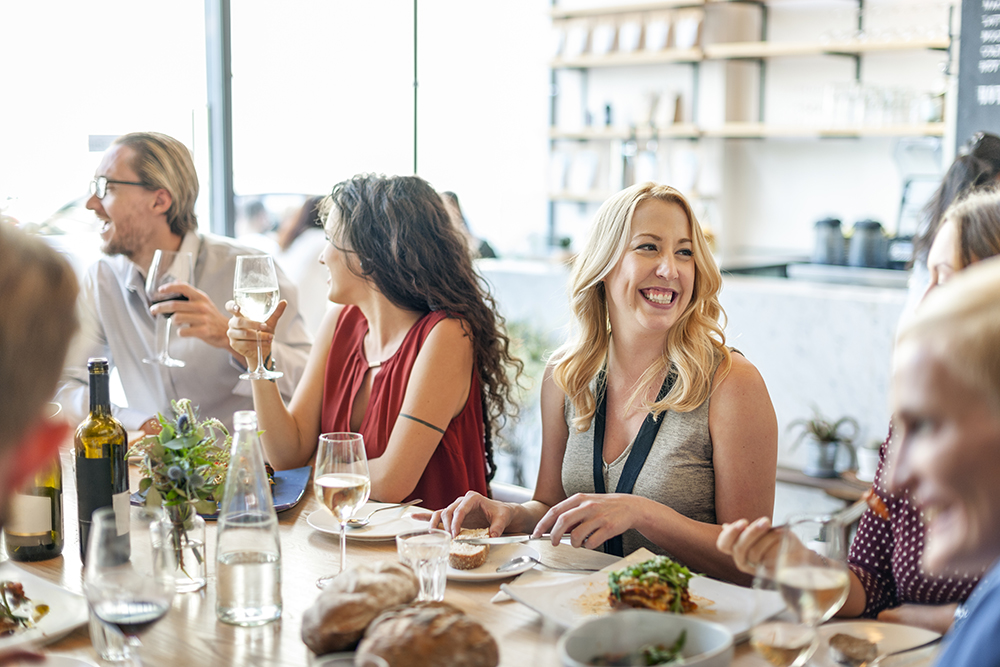
Group Dining Done Right: How to Plan the Perfect Meal for Any Occasion
Sharing food together is what people do best when it comes to celebration, connection, and making memories. At a birthday party, corporate function, family reunion, anniversary, or just a get-together with friends, what guests put in to the group dining experience is what they get out. From selecting the right place to eat at to that person’s dietary needs, each detail is a piece to the smooth and enjoyable event everyone is looking for.
The base of a great group meal is in the balance of structure and ease. Guests must feel they are welcome, the ambiance should fit the event, and the food has to for all attendees. With the right strategy, large groups can be managed to appear very easygoing and pleasant.
Start with the Occasion and Guest List
In the beginning of any successful meal plan, it is key to identify the reason for the event. At a business dinner, for instance, what is called for is a more formal atmosphere, but a family affair can be very relaxed and full of life. The tone of the event, which sets the mood for the guests, also determines the style of the menu and the seating arrangements.
Once the host knows the date set for the event, they can put together a final guest list. It is important to know the head count from the beginning for reservations, budgeting, and choosing the right dining space. Try to get exact numbers as soon as possible, which will also help to avoid last-minute issues.
A guest list also allows for an opportunity to put together different types of people in various combinations, from friends you want to see in the same group to business associates, whom you may want to separate into different groups, or family members, whom you place in a certain way. Also, the organizer may use it to their advantage to place people in a manner that will better the overall event.
Choose the Right Venue
Venue is a very large component of the event planning process. Hosts look for the perfect location, which also sets the tone for the event. Think about separate seating areas, noise issues, access, and parking.
For a perfect group dining experience, choose venues that have a history of catering to larger parties. Restaurants that offer separate tables or private rooms or that have adaptable seating do best. The setting should promote easy conversation without feeling overcrowded.
Also, when it comes to location, think of your guests’ experience. A venue in the center of things that is easy to get to will have them in and out in no time.
Plan the Menu Carefully
Food is a focal point in which any dining event revolves around; thus, menu planning requires extra care. In terms of groups, what you need is variety. By including dishes that cater to different palates, you ensure that all members feel included and satisfied.
Start with food. That which is vegetarian, vegan, gluten-free, and allergy-friendly should be what the host puts forth. Also ask guests in advance of any food issues; this does for thoughtfulness in hosting.
Sharing courses, set menus, or family-style plates does also, which in large groups works very well. These options promote interaction, reduce wait time between when each person’s order is taken, and also create a more community feel. Also, they are easy for the staff to manage, which in turn sees all guests’ food is brought out at the same time instead of at different times.
Set a Comfortable Budget
A well-defined budget is the key to avoiding confusion, and hosts also see value in setting it early. At the very beginning, decide if the meal will be fully on the host, a partial cover, or that which will be split between guests.
For large-scale events that are business-related, organizers find that a set menu in advance does the budgeting trick and also rules out unexpected charges. For more informal get-togethers it is best to go over how the payment will be managed beforehand, which in turn will avoid any uncomfortable talks at the end of the meal.
Do not forget to include in your budget for extras like drinks, desserts, service charges, and tips. Which is better? If you put it all out in advance, the experience will be more enjoyable and free of financial stress.
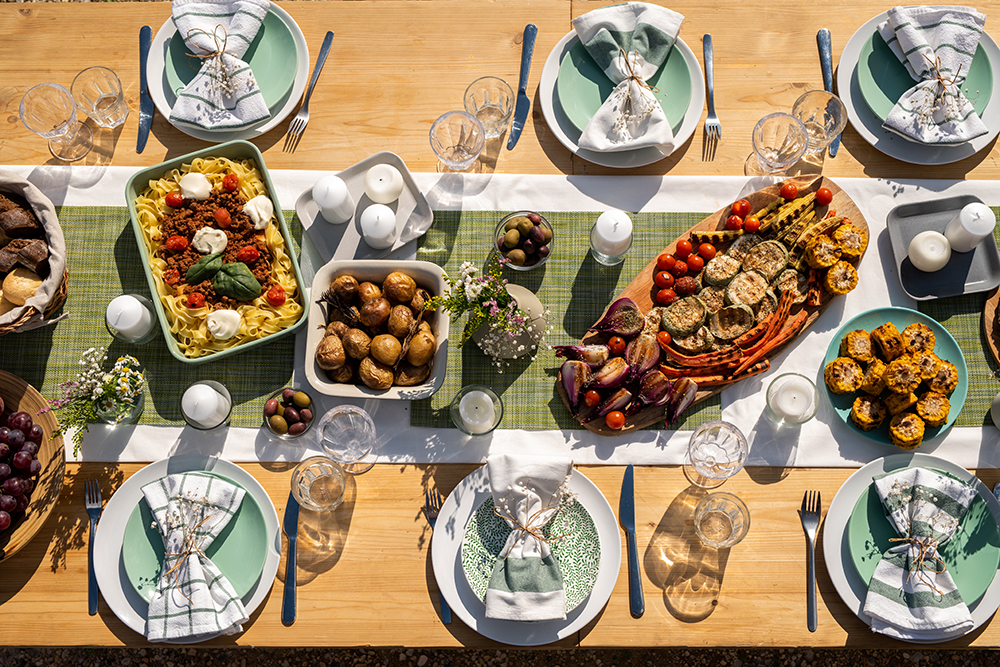
Timing Matters
Timing of the meal is very much a factor in the success of the event. Look at your guests’ schedule and the type of occasion when you choose the best time.
Lunches are great for business meetings or daytime events that require formality; in the evenings the atmosphere is a more casual and social one. Weekends are perfect, as guests can stay longer and savor the occasion at their ease.
Making it a point to reserve in advance is very much so for group dining, which also includes holidays, weekends, and busy dining hours. Early planning also increases your chances of getting the best tables and service.
Focus on Atmosphere and Flow
A fantastic meal is a much more complex thing; the ambiance plays a key role in the experience. What you see, hear, sit in, and how the table is set all add to the overall mood.
For special occasions, put in some personal touches like themed decor, a cake, or a toast, which really make the event stand out. As for business dinners, hosts prefer a more quiet and professional setting that is better, which in turn fosters productive conversations.
Flow is key. Consider how guests will enter, what they will take a seat at, and which courses will follow which. A seamless progression from cocktails to apps, entrees, and dessert makes the event run smoothly and enjoyably.
Communication is key.
Smooth communication between guests and the venue is the key to a great experience. Share the reservation date, time, location info, what to expect in terms of dress code, and any other special instructions in advance.
If at all there are to be speeches, presentations, or surprise elements in the event, do coordinate with the restaurant staff in advance. The organizers do this to have service timing go as planned and to avoid interruptions.
Good communication is also about flexibility. Though no amount of planning is ever enough, guest numbers do change as do preferences. Preparing for the small changes that present themselves helps to keep the experience stress-free.
Conclusion
Planning out that perfect menu for any event is a matter of preparation and pay close attention to the details and also set a great ambiance for all guests. From choosing the right place to host to planning the menu and the overall atmosphere each step plays a role in the success and memory of the get together.
When planned out well group dining goes beyond just eating together it becomes an experience which grows relationships out, celebrates achievements, and leaves guests with great positive memories. With the right approach any occasion can be turned into the perfect shared meal.