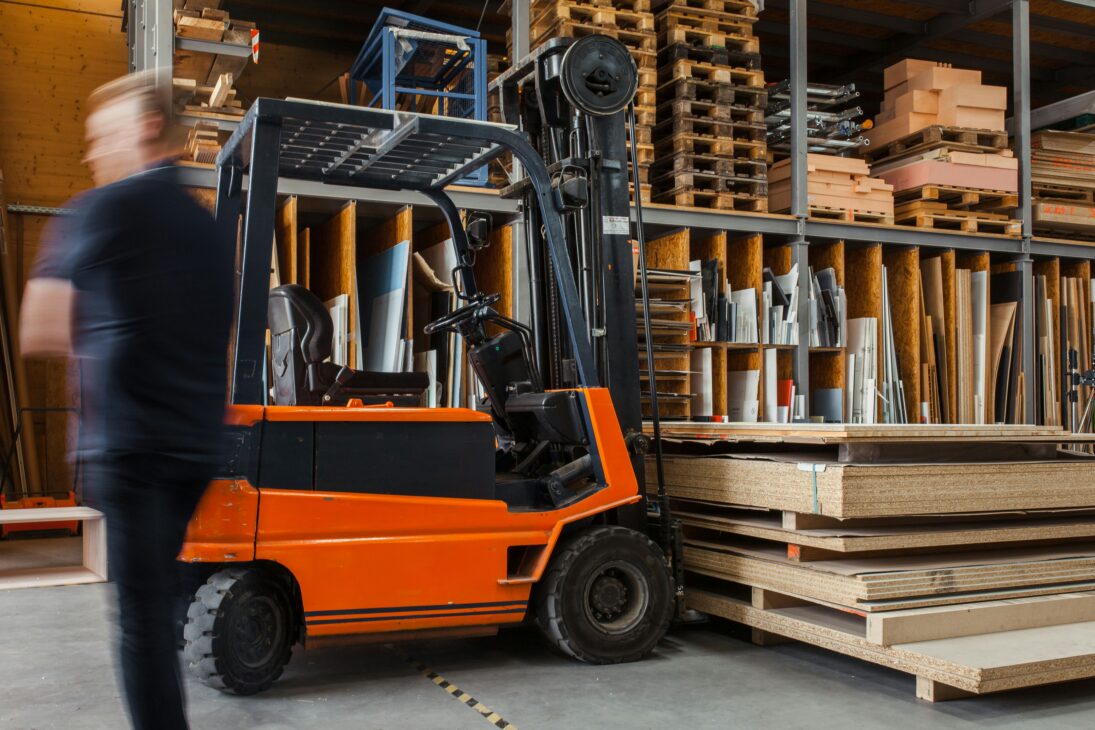
Minimising Retail Warehouse Injuries
Minimising Retail Warehouse Injuries: A retail warehouse can be a fast paced place and can involve a variety of tasks from receiving in deliveries to putting stock away on the storage system and picking and packing orders for internet customers. There are many potential injuries that can occur within a retail warehouse including injuries caused by heavy lifting, repetitive tasks and the high volume of tasks that need to be completed on a daily basis. By investing in modern warehouse equipment that can aid in reducing manual handling the risk of workplace injuries can be significantly reduced.
As businesses attempt to balance the need to operate in an efficient manner and to keep their employees safe from injury, the use of modern warehouse technology to alleviate strain on staff is becoming increasingly prevalent. Items such as goods lifts, handling systems and automated warehouse storage and retrieval systems can all play a significant role in the reduction of injury in retail warehouses.
Understanding common warehouse injuries
Manual handling is the most common cause of injury within warehouses and this can often occur when employees are required to lift, carry or move heavy objects on a regular basis. All of these actions can cause strains and sprains and in the long term can lead to a variety of musculoskeletal issues (MSDs). Many injuries occur when employees are required to move goods between levels of a warehouse and this can often occur in an unsafe manner, such as by carrying goods up and down stairs.
Slips, trips and falls are also becoming more prevalent. This is mainly due to stock being moved around the warehouse, combined with the general congestion of narrow aisles and restricted space. Further injury can occur when moving items between levels, without the correct equipment to safely lift the goods. These types of accidents are generally prevalent in warehouses where there is a high degree of manual handling taking place.
Reducing manual handling risks
Reduce Manual Handling of Stock within the Warehouse. There are many forms of Mechanical Handling Equipment that are able to remove the need for unnecessary Manual Handling of Stock within the Warehouse. Lifts, Conveyors, and Automatic Stock Picking Equipment are examples of such equipment.
A number of different types of mechanical handling equipment are available to assist with reducing the amount of manual handling required within a warehouse. One of the most effective types of equipment for minimizing the risks of injury that are associated with manual handling are goods lifts. These are ideal for use in warehouses that have mezzanine floors or other multi-level storage areas. Instead of having to manually carry goods up and down stairs, or using poor practice to lift them, goods lifts can safely and efficiently transport them between levels.
Improving efficiency alongside safety
Many believe that workplace safety and operational efficiency go hand in hand, but that it is possible to achieve both by implementing the best warehouse equipment. Such equipment is designed to allow employees to be able to work safely and efficiently by removing as much of the manual work as possible from them. It will also enable employees to be able to complete tasks more quickly, thus removing any bottlenecks in production that could have otherwise been caused by manual handling difficulties and the resulting injuries.
Incorporating warehouse equipment and storage solutions into a warehouse’s structure will enable employees to complete their work more quickly and safely, and create a more organized working area which in turn will enable your business to operate more efficiently. A reliable warehouse is crucial to any successful retail business and by investing in a safe warehouse environment you can also help your business to grow and be more scalable in the long term.
Investing in safer warehouse systems is key for growing retail businesses as these systems will also support the retail business in its growth by ensuring a reliable operation.
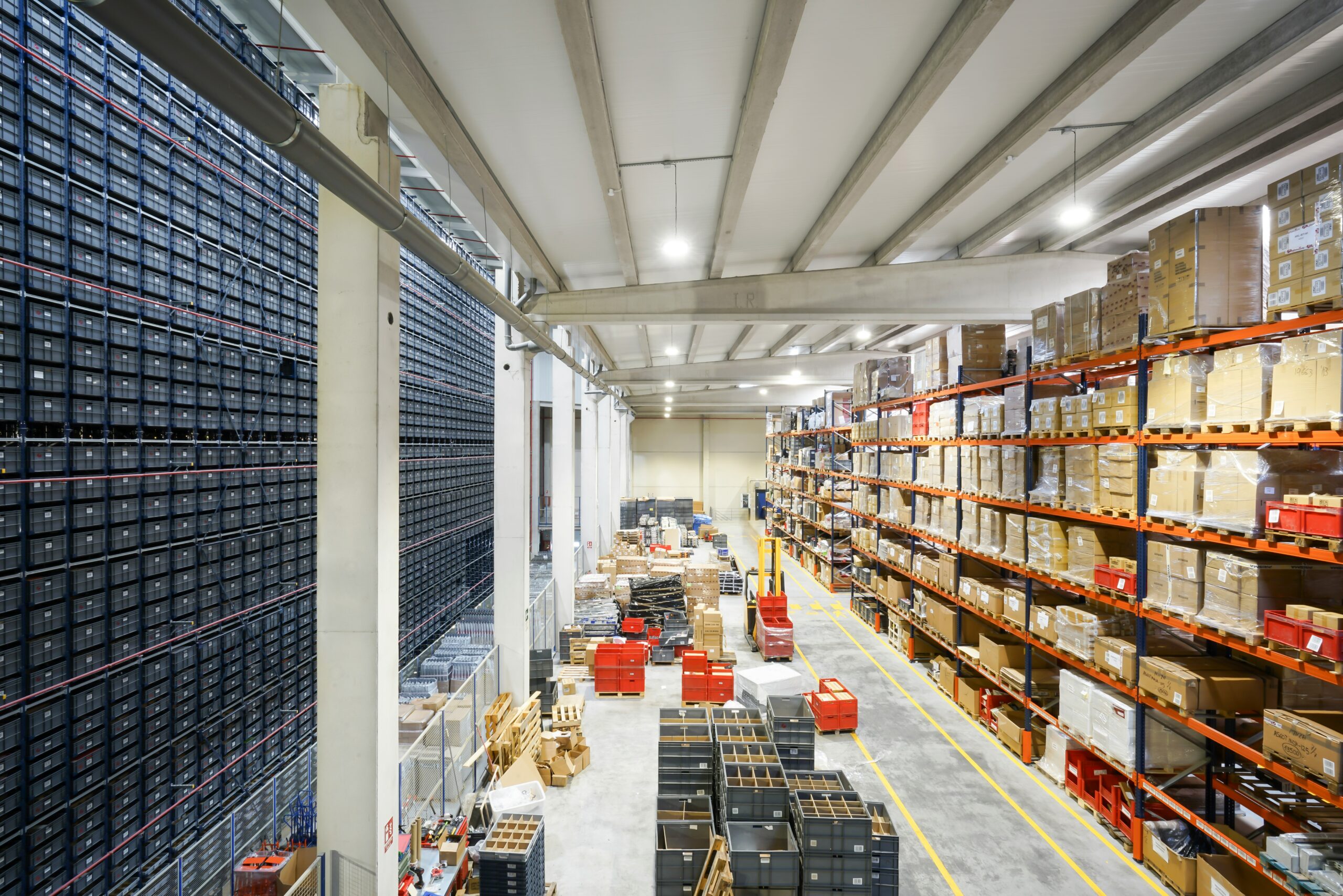
Supporting safer mezzanine storage areas
Mezzanine storage spaces can create their own unique set of problems, however. The main issue is safely moving goods of all shapes and sizes between different floors. The biggest problem with manual handling of goods between floors is the need to use the stairs, which can cause serious injury to yourself or others when heavy or large items are being moved around. In busy warehouses, the risk of accidents increases dramatically. This is why the use of dedicated goods lifts is becoming more and more popular.
When stock is stored on different levels, there is always the risk of injury when transferring goods between floors, particularly when heavy or awkwardly shaped items are involved and have to be carried up and down stairs. A dedicated goods lift is a safe way to transfer products of all weights and sizes between floors, offering greater control and efficiency than manual handling.
Encouraging a stronger safety culture
The most important thing to ensure a safe warehouse environment is a strong safety culture within the company. That means employees must be able to use lifting equipment in the right way, follow correct manual handling procedures, report potential hazards before they cause an accident. Creating clear walkways, using the right storage equipment, and regularly servicing of equipment is also very important. Businesses that prioritize safety will find that their employees are working in confidence, which results in lower absence levels, higher morale and better long-term productivity.
A well organised warehouse with clear walk ways and an effective system of storage, combined with regular maintenance of equipment will create a safe working environment and as an added bonus aid in the reduction of staff absence, improve employee morale and aid in long-term business performance.
Importantly, employees are more likely to work confidently and efficiently when they feel their wellbeing is being properly supported.
Investing in safer warehouse operations
However, it is increasingly recognized that the prevention of injury in warehouse operations is not merely a matter of compliance with Health and Safety legislation but is also an important factor in terms of optimizing a company’s operational performance and also contributing to the company’s growth and success. The way in which a company handles stock in its warehouse is a critical factor that can impact on the wellbeing of staff, leading to a reduction in manual handling thereby reducing the risk of injury. In addition, a safe working environment will also contribute to minimizing the amount of time that a business loses through staff absence and also to improved productivity in the long term as workers will be working in a positive environment where their wellbeing is being supported.
Investing in warehouse technology, such as manual handling equipment, including goods lifts, and new stock handling systems will create safe working environments that enable long term business growth. They will also support and protect your staff, who are crucial to the smooth day-to-day running of your warehouse.