Storage Tips for Growing Families
Storage Tips for Growing Families: A growing family can make a home feel smaller surprisingly quickly. New babies bring equipment, children accumulate toys and clothes, and school-age kids add books, sports gear and hobbies to the mix. Before long, cupboards are overflowing and spare rooms become unofficial storage areas.
The answer does not necessarily involve moving to a larger home. With thoughtful organisation and the right storage solutions, families can make much better use of the space they already have.
Declutter Before You Organise
One of the most effective ways to create additional space costs nothing at all. Before buying cupboards, shelving or storage containers, work through your belongings and decide what genuinely needs to stay.
Children’s clothing and toys are particularly good places to start because they are quickly outgrown. Items in good condition can be donated, sold or passed on to friends and relatives. Broken toys, incomplete games and things nobody uses can usually go.
Decluttering first means you are creating storage for things your family actually needs rather than simply finding new places for unnecessary belongings.
Look for Storage in Unexpected Places
Most homes contain unused spaces that can become valuable storage areas. The space underneath beds, above wardrobes and on the backs of doors can all be put to work.
Under-bed containers are ideal for spare bedding, seasonal clothing and children’s items that are not currently being used. Over-door organisers can hold shoes, accessories, toys or bathroom products without taking up valuable floor space.
Even the tops of kitchen cupboards or wardrobes can provide useful storage for items that are only needed occasionally.
Choose Furniture That Works Harder
When space is limited, furniture that provides storage as well as serving its normal purpose can make a significant difference.
Beds with drawers underneath provide substantial hidden storage. Storage ottomans can hold blankets, toys or games, while benches with internal compartments are useful in hallways for shoes and bags.
Children’s rooms can particularly benefit from furniture that combines functions. A cabin bed with drawers or shelving underneath, for example, can replace several separate pieces of furniture.
Give Everything a Home
Organisation becomes much easier when everyone knows where things belong.
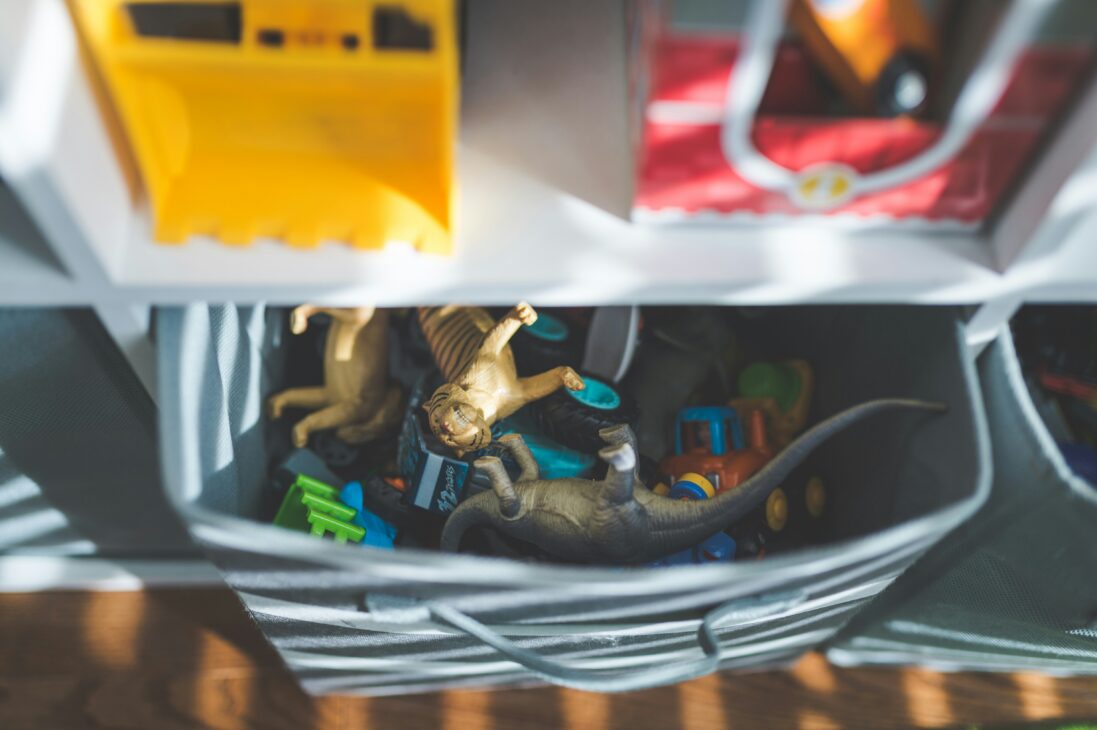
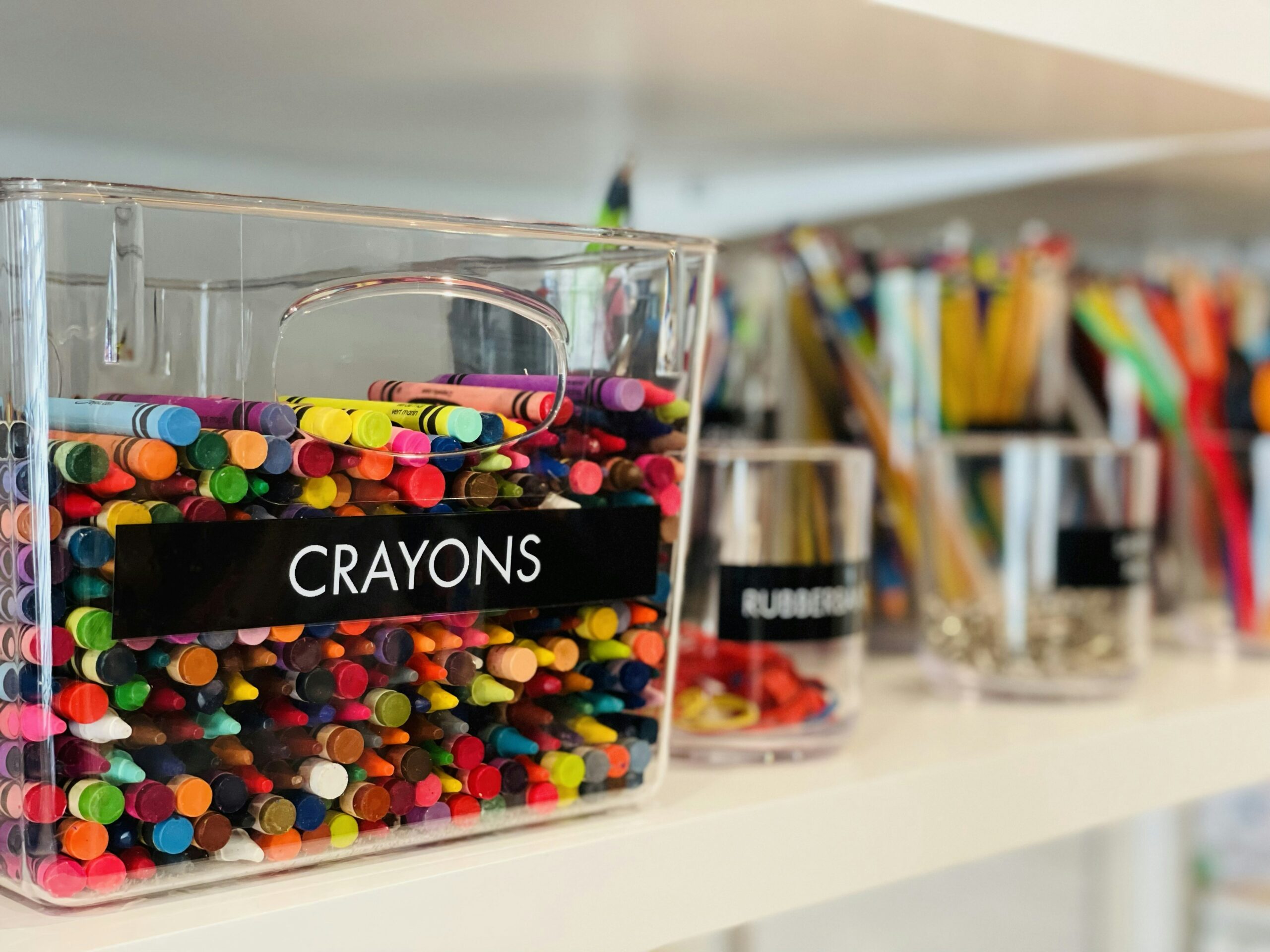
Create dedicated spaces for frequently used family items. School bags might have hooks near the entrance, sports equipment could have its own cupboard or basket, and children’s toys can be divided into clearly labelled containers.
For younger children, pictures on storage boxes can work better than written labels. Making storage simple and accessible also means children can help put their belongings away rather than relying on adults to do it for them.
Use a Secure Storage Facility for Things You Don’t Need Every Day
There comes a point when reorganising cupboards simply isn’t enough. A secure storagefacility with 24/7 storage access can provide valuable additional space without forcing a family to permanently dispose of belongings they may need again.
A storage unit can be particularly useful for bulky or infrequently used possessions such as camping equipment, bicycles, seasonal furniture, baby equipment being kept for another child, family keepsakes and boxes of important belongings.
Security should be an important consideration when choosing a facility. Look at features such as controlled access, surveillance, secure individual units and appropriate protection from weather or moisture. It is also worth considering how often you will need access and choosing a facility that is conveniently located.
Moving rarely used possessions into secure storage can free up wardrobes, garages and spare rooms for everyday family life.
Rotate Children’s Toys
Children do not necessarily need access to every toy they own at the same time. Toy rotation can reduce clutter while making existing toys seem interesting again.
Keep a manageable selection available and store the remainder in labelled containers. Every few weeks, swap some of the toys around.
This approach can be particularly effective in shared bedrooms or smaller play areas where too many toys quickly make the room difficult to manage.
Review Storage as Your Family Changes
A storage system that works with a toddler may not work once that child starts school. Family storage therefore needs to change over time.
Set aside time every six months or so to review cupboards, wardrobes and children’s rooms. Remove things that are no longer required and reconsider how available space is being used.
This is also a good opportunity to check what is being kept in external storage and decide whether those items still need to be retained.
Create Space for Family Life
Good storage is not simply about making a home look tidy. It allows the available space to be used for living rather than storing possessions.
By decluttering regularly, using overlooked areas, choosing multi-purpose furniture and moving infrequently used belongings to a secure storage facility when necessary, growing families can create considerably more breathing room.
The goal is not a perfectly organised home. It is a practical home where everyday belongings are easy to find, clutter is kept under control and there is enough space for the family to enjoy living in it.