How to Choose the Right Eye Drops for Dry, Tired and Irritated Eyes
Eye drops for dry, tired and irritated eyes: The challenges of modern life Today, our way of life, our habits and our working environment has increased the stress on our eyes. The hours spent staring at computers and being in an air-conditioned environment have only exacerbated the problem. Strained, dry, irritated eyes are the new normal.
While this is the new normal, do not take these symptoms lightly and look after your eyes. The positive part is that a few simple eye care and practices can help find instant relief. Besides eye care, you must also use eye drops to ensure your eyes remain healthy.
There are tens of thousands of eye drops on the market. Some of them are designed to reduce redness, some to moisturize intensely, and some to work while you sleep. Selecting the correct eye drops for your particular symptoms is crucial, as the wrong eye drops not only result in a financial waste, but can also aggravate the symptoms. Here’s a simple guide for selecting the right drops for your eyes.
Factors Affecting Your Eyes
Digital eye strain is a series of eye and vision issues caused by excessive use of digital screens – whether they are computes.
- Digital eye strain: A group of eye and vision problems caused by prolonged use of digital screens like computeEye strain from contact lenses usually happens because the lenses reduce oxygen flow, dry out your eyes, or have an outdated prescription rs, tablets, and smartphones.
- Allergies: Eye allergies happen when your immune system overreacts to harmless outdoor or indoor substances like pollen, dust, or pet dander
- Contact lenses: Eye strain from contact lenses usually happens because the lenses reduce oxygen flow, dry out your eyes, or have an outdated prescription. Long hours of contact lens use also put a load on eyes and make them dry.
- Environmental triggers: Environmental triggers like air pollution, bright sunlight, low humidity, and wind can destabilize your tear film and cause eye strain.
Main Types of Eye Drops
Different Types Of Eye Drops There are different kinds of eye drops, based on your symptoms, you need to purchase accordingly.
Artificial Tears (Lubricating Drops)
They copy your natural tears to keep the surface of your eye slick and smooth. These add moisture to relieve dry, tired, or gritty eyes caused by screens, dust, or wind. These standard lubricating Eye drops should be your first choice for basic eye strain.
Allergy Drops
The drops include antihistamines to take the itch and swelling away from allergens. They are used to stop itching, watering, and swelling due to allergy.
Redness-Relief Drops
Looking for relief? These drops are formulated with decongestants to constrict the blood vessels on the surface of your eyes for rapid cosmetic relief. Use them with caution to avoid rebound redness with repeated use.
Glaucoma drops
These are not over-the-counter eye drops. These eye drops with a prescription can be used to reduce the increased pressure that is inside the eye. Do not use these eye drops without consulting your doctor.
Types of Eye Drops Based on Preservatives
This is one among most crucial factors you need to keep in mind when selecting eye drops.
Eye Drops with Preservatives
Preserved eye drops contain chemicals that stop bacteria from growing inside bottles with multiple uses. These types of eye drops are ideal if you only use them sporadically, but if you use them regularly, then chemicals such as BAK or benzalkonium chloride can act like a detergent in the eye and lead to irritation, pain or worse dry eye symptoms.
Preservative-free drops
What are the good things about preservative free eye drops? Does not contain any harsh preservatives such as benzalkonium chloride (BAK). Which means it is far safer to use daily and for sensitive eyes. Great for those who want to avoid dryness, redness or Toxins.
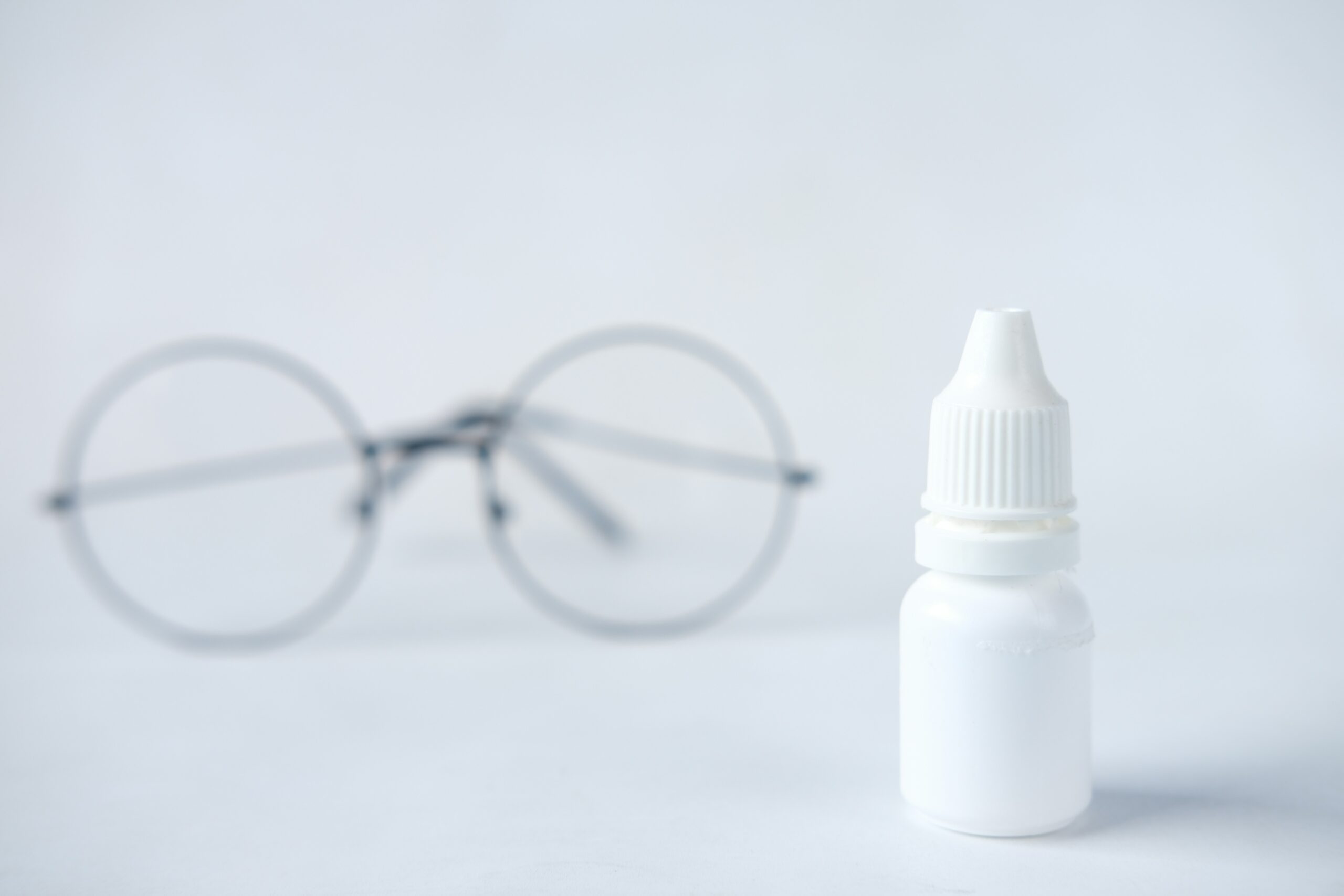
For severe dryness and sensitive eyes, a preservative-free formula like hycosan extra is a top choice. It has 0.2% sodium hyaluronate (hyaluronic acid), which holds moisture on the surface of the eye. The thick, moisturizing layer stays on the eye longer than standard drops. It provides soothing to burning, irritated, and dry eyes.
Quick Comparison: Which Drops Should You Pick?
| What You Feel | Likely Culprit | Best Pick |
| Sandy, gritty, tired | Screen glare, AC | Preservative-free lubricating drops |
| Severe stinging, daily dryness | Tear film imbalance | High-strength drops with sodium hyaluronate |
| Itchy, watery, swollen eyelids | Pollen, pet hair, dust | Antihistamine eye drops |
| Bloodshot, no pain | Late night, fatigue | Cold compress or mild lubricating drops |
Smart Habits for Healthier Eyes
- Check contact lens compatibility: If you are using contacts, make sure that eye drops are compatible with them. Some contacts are drop-friendly, while others are not and may even cause damage to your eyes.
- Practice the 20-20-20 rule: If you work on screens for long hours, it is important to practice the 20-20 rule. Every 20 minutes, focus on an object 20 feet away for 20 seconds. This keeps the blink rate normal, which is important to reduce dryness.
- Do not touch the tip to your eye: Keep the dropper away from your eyelashes and fingers to avoid spreading bacteria into the bottle.
What kind of eye drops should I use?
Not all eye drops will work for each person. A ‘best’ eye drop can only be decided on the basis of your symptoms, their frequency and severity.
Know your symptoms.
Know the ingredient, the purpose of use. In case the need of frequent use or absence of relief – see the eye-care professional.