How to Mix Modern and Vintage-Style Lighting Without a Matching Set
modern and vintage lighting: An inherited lamp from a grandparent, a pendant that seemed right when the kitchen was being put together, a sofa that has outlasted a few moves: most rooms evolve gradually. Their lighting tends not to arrive as a single coordinated suite. Sometimes that’s a good thing.
Different shapes, textures and styles make a space seem inhabited, rather than a staged set.
The challenge comes with knowing which differences are interesting, and which make a room seem unsettled. In a lounge-dining room, often several lights will be visible at once. The solid-polished-glass pendant that looks perfect over a table need not necessarily sit happily with a decorative lamp or two that flank a sofa. Establish that relationship through carefully controlled decisions.
Pick a focus you want to preserve
Before you look for an extra light, establish the one item that needs to shape a room.
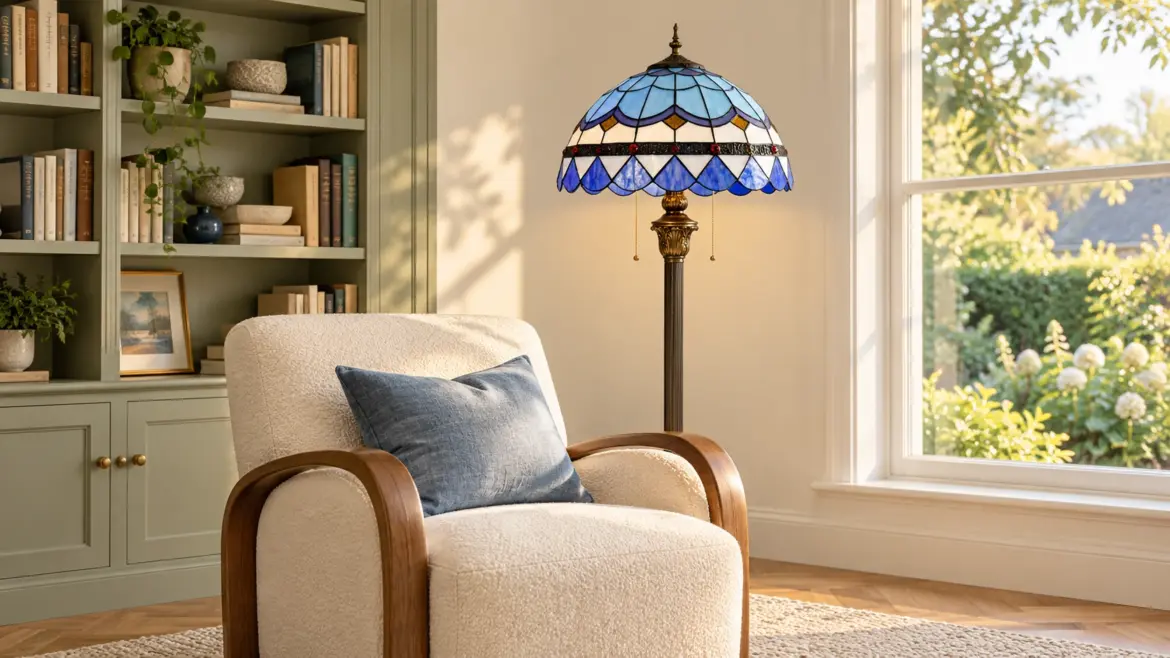
It could be a colour-rich Tiffany-style table lamp, a unique ceiling fitting or simply a pendant that complements a dining table beautifully. Make that your anchoring object, instead of all lamps competing for attention at eye level. If the room has heavily patterned curtains, a wall with a gallery of frames and a bold rug, let that one element get away with a relatively plain ceiling light.
On the other hand, an interior that is largely neutral could have one more distinctive shade in it. The right question to ask is what does the room need, when viewed from the entrance, rather than how impressive the shade looks alone. That way, the steps aren’t so big when it comes to shopping.
A ceiling fitting that feels less busy can give the other details space to breathe.
Or vice versa, a not-too-rambunctious interior might take the opportunity to upgrade to a more eye-catching shade. In either case, think about what the space is likely to need when in use, rather than how dazzling the individual pieces are. This way, it’s less likely that the purchase will be redundant or need replacing with something else.
Let the dining table guide the pendant
If a space is used for both dining and relaxing, the ceiling fitting over the table sets the scene for what’s happening. It’s more coherent to position it relative to furniture, than to regard the centre of the room as a fixed point.
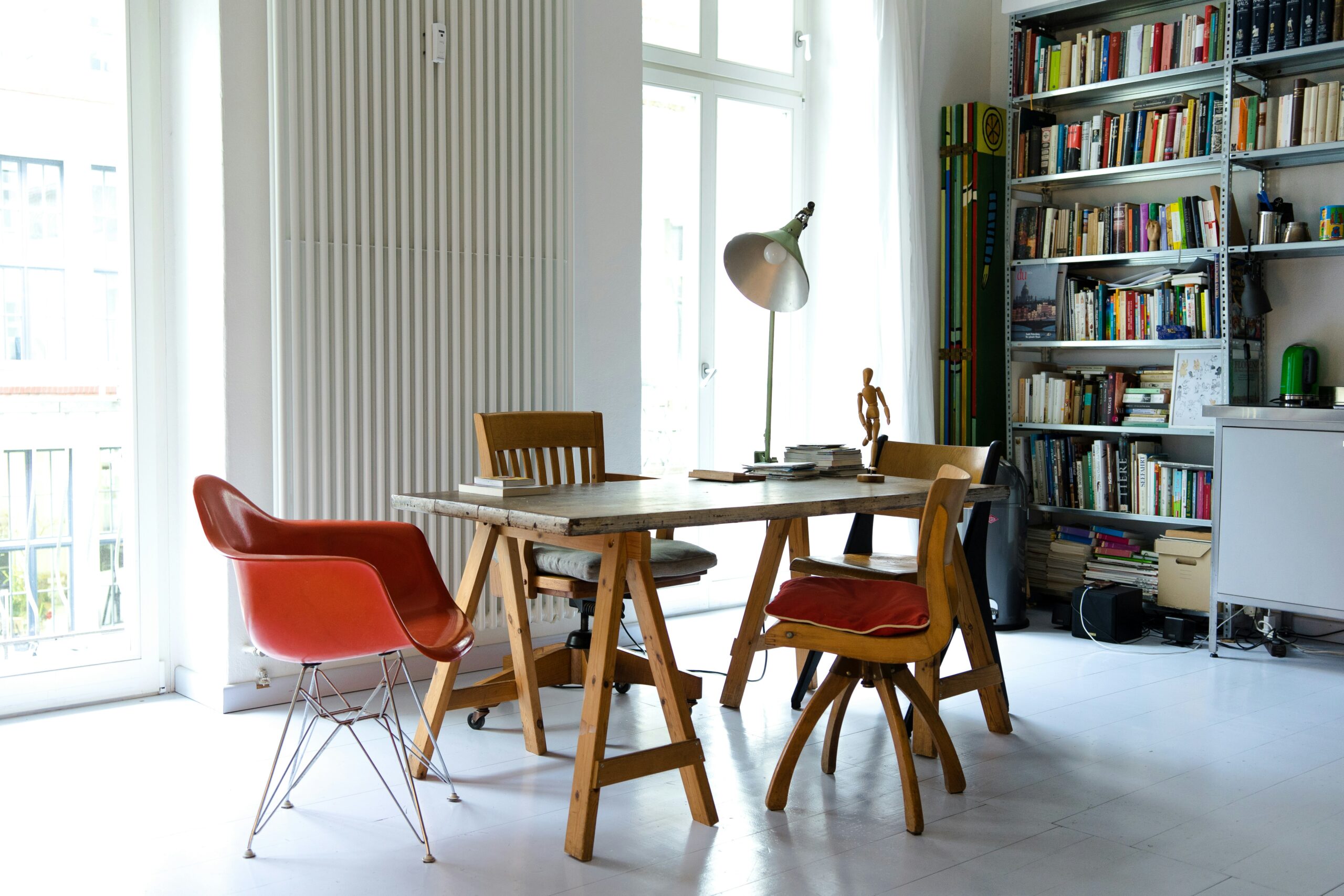
When comparing pendant lights, don’t just think about the shape of the shade directly over the dining table, but also from the sofa’s perspective. A basic dome, a simple glass or a sleek tapering metal shade can look fine next to more elaborate decorative ones. You do not necessarily need to match the patterning at ceiling level.
Think about its position from the perspective of the diners’ chairs. As well as the height of the fitting, sit in each room you will use regularly and observe the view from your seat. Does a glow in the shade detract from conversation?
Does a glare break the outline of the light or overwhelm the television?
Can you see the bulb at the right angle or need a shade that’s deeper? Make sure you’re confident about electrical requirements and fitting dimensions before ordering (check carefully if browsing from elsewhere). Add relaxed light to accent your colour-rich décorA shade of coloured glass brought into a room through a table lamp adds a bit of light, but not too much. When lit up, it adds focus, so it needs suitable surroundings.
Against a blank wall, the shape and painted outlines of stained glass can be appreciated without competing against other patterns.
For a sofa-side table or a low cabinet, Tiffany table lamps on a sofa-side table or a low cupboard can add interest to a contemporary space. An amber shade might work with understated furniture and soft drapes; a splash of purple or green in the glass can pick up a nearby quilt or piece of wall art. As much as possible, repeat that colour – but don’t feel the need to find matching rugs, curtains and pillowcases for every hue in the shade.
Instead, include a small amount of another colour from the same shade in an accessory elsewhere in the room. Don’t let repetition become monotonous. The furniture on which you place your lamp matters too; choose a table that supports the lamp well while still leaving you some room for a glass of wine or a favorite book.
Don’t let a beautiful arrangement be compromised by furniture that’s covered in clutter.
Use a floor lamp where furniture leaves a gap
A floor lamp can bring light to a space that may not lend itself to another table for the lamp. For example, a corner armchair next to a bookcase might benefit from a standing light that gives that corner a special identity.
Look for possibilities in Tiffany floor lamps that could provide contrast at a different height. Consider this as an alternative – or addition – when the sofa feels overrun with furniture.
A floor lamp has more room to work with, so you do not need to match a shade exactly to make the two pieces look related.
If you sit and read, examine how the lamp’s shape and placement affect the light level on the page. A shade of glass that just looks good needs to also be effective at illuminating what you read. Depth, shade angle and bulb choices all matter; double check dimensions and make sure it will work where you want it to before taking the plunge.
Avoid everything matching when you’ve got some mismatched metal finishes
Looking at home accessories, you can see how different metallic finishes can work together, when they are following a pattern. For example, an old-brass table base can sit harmoniously next to a low-gloss polished-brass pendant because both have warm, soft colours that complement timbers and paint shades. Find more specific links to repeat than metal finishes.
A curved pendant might echo the shape of a rounded table; glass in a vivid or subdued pattern might match the style of a painted cabinet.
An exercise of trying out lighting photos against the interior plan you intend to keep can confirm whether a distinctively patterned shade contributes to a room, or introduces a new element that you don’t want. Make sure the lighting looks good from the position you sit when you’ll use the space. Lighting is as much about using it as standing in the shop or browsing on screen. Try sitting in each of the areas you’ll use most.
The worst thing is glare on the TV or having a shade that’s so big you just can’t see the food.
Make the arrangement work from a seated position
Make sure you’ve got enough room around the base of a floor-standing light to keep it stable. Leave plenty of space between the lamp and nearby furniture, or it may fall over or get knocked. Think about how you might walk around the space, and whether you’ll be able to reach the switches or turn around for dinner without hitting the shade.
Use the space through the evening
So while there might be one focus of the room at dinnertime, the rest of the time, one of the sofas or armchair seats might take over. Different, separately controlled lights can allow you to shift the visual focus, so you don’t need to be bright all over. Test out the arrangement on an ordinary night, and you could find a little repositioning of a light or switching off the extra fittings makes a difference.
All your other room accessories may need changing, in order for the room to be a space for relaxing.