
How to Keep a Baby’s Nursery Fresh: Practical Odour Control Tips for UK Parents
Baby Nursery Odour Control: From the moment your little one arrives, there are countless magical moments, and a steep learning curve for keeping your home in order. For first-time parents, creating your perfect nursery can be a fun affair, from assembling cots to hanging tiny little sleepsuits. But the real work begins when you have to wash, change and settle your bundle of joy, and to keep it a clean, fresh space, it’s important to approach it with a bit of a game plan. Alongside wipes, spare baby grows and a washable changing mat, a nappy bin in an easy-to-reach position can make those seemingly endless nappy changes a whole lot easier!
No matter whether you’re in a brand new terrace house, a Victorian conversion or a small city centre apartment, then removing stale air and the day-to-day rubbish is generally going to be something you’re keen to get right. With young babies potentially going through 10 or more nappy changes a day in the first few months, then staying on top of waste removal is a good way of ensuring your space remains a peaceful, welcoming one.
The Causes of Nursery Odours
To combat unwanted odors, it’s important to identify the culprit. The nursery is a multi-purpose room: a place to store clothes, a designated spot for the laundry hamper for muslin cloths and sleepsuits, a feeding station, and the main changing area.
Though the pungent smell from used nappies is the main culprit, damp linen and dribbled formula or milk can also cause it, as can stale air. Most UK homes boast double-glazing and good insulation, which is great for keeping the cold out in winter but means if rooms are not aired regularly they will become a bit of a trap for your odours.
Instead of using strongly perfumed room sprays or plug-in deodorisers (which can actually irritate delicate infant lungs), concentrating on source control and good ventilation is an effective, longterm option.
Developing a Good Nappy Changing Routine
A well-planned approach to nappy changes not only reduces clean-up time in the event of a midnight blowout, but also reduces the amount of time the smells have to escape. By keeping all your bubs nappy supplies well on hand you won’t need to pause mid nappy change or leave the dirty items sitting there.
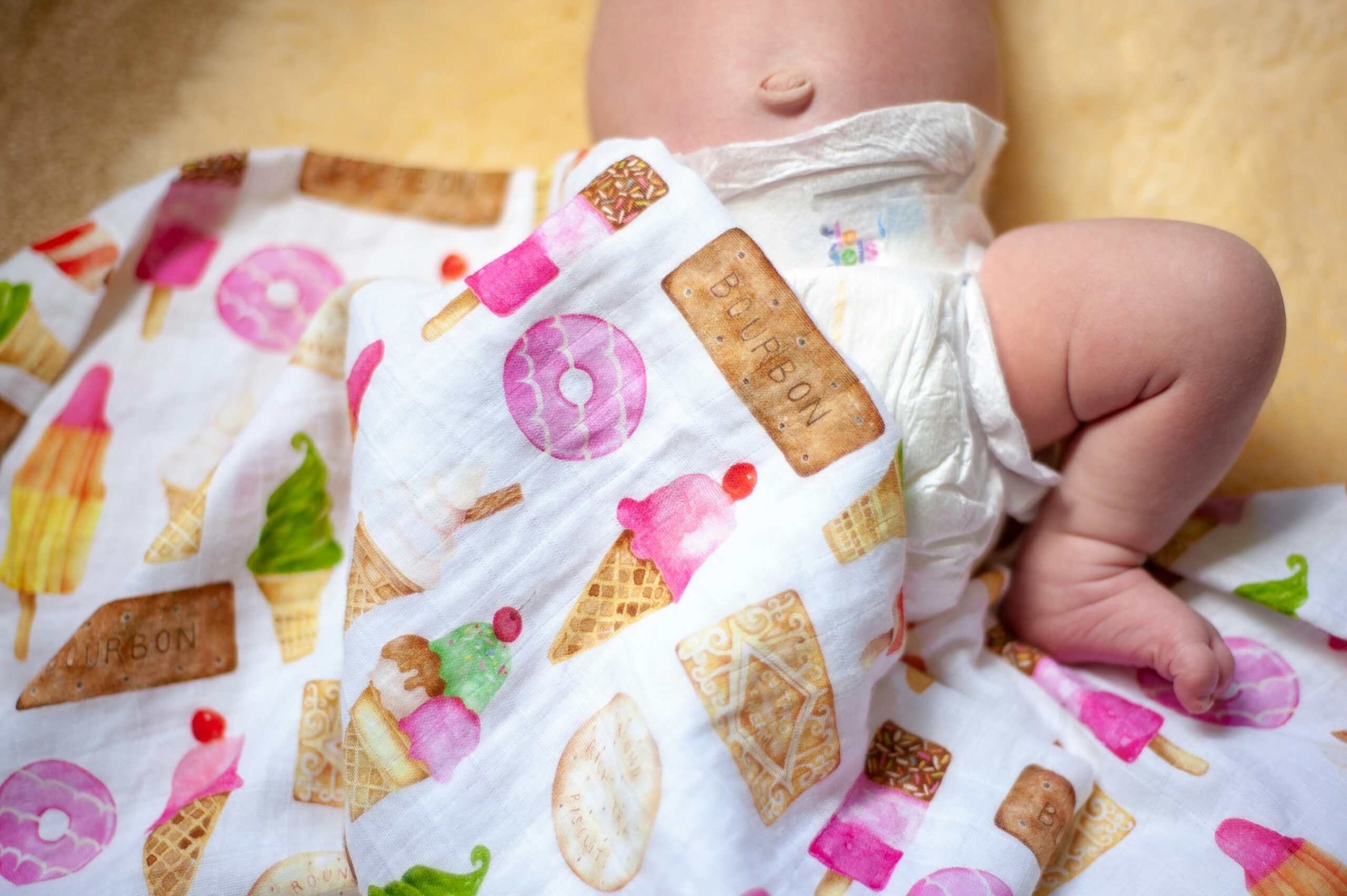
Prepare the station: Have everything laid out you will need for changing before you put your baby on the changing mat.
After the change has been made, fold the used nappy away securely, and dispose of it directly into your bin – do not rest it on a side table for even a few moments as it can start to smell in a warm environment.
Disinfect often: Keep a pack of safe, multi-surface cleaning wipes handy so you can give your changing table a fresh clean after every messy diaper change.
For anyone who has ever had to think of clever ways to dispose of nappies, the idea of having a specific diaper disposal bin that simplifies the process is appealing. While most normal pedal bins (whether for the bathroom or the kitchen) facilitate the constant release of air upon each opening of the lid, proper disposal units are built to contain odours.
Innovative Ventilation and Airflow Plans
Good air quality is the simplest, yet most overlooked tool when it comes to organising your home, but so often left out in the colder months.
Every day, open the nursery window for five to ten minutes during your time in the kitchen/breakfast area in the morning. This will replace stale air in your nursery and lower the humidity.
Airflow within your home: Another way to get some fresh air moving through the house, if your house plan allows for it, is to leave the nursery door open when no one is in the room.
Room temperature awareness: Remember that higher room temperatures can make smell worse. Ensuring a comfortably cool room-temperature (between 16°C-20°C for sleep areas) can not only be a safe sleep recommendation for babies, but also make ambient smells less prominent!
Managing Laundry and Fabric Storage
Babies go through a ton of laundry, from bibs and burp cloths to sheets and clothing covered in spit-up or other spit-up related messes. Wet fabric stored in a regular linen bin will smell sour in no time.
When dry, air out the damp clothes and muslins by hanging over the edge of a laundry basket (or something similar), so the water doesn’t sink down in between dry items and cause everything to stay moist.
Wash often: Instead of saving a week’s worth of baby laundry, and washing it all at once, do a baby laundry load every two or three days. This will avoid organic deposits from settling so far down into cotton fibres.
Add breathability in sorting: Don’t use airtight plastic containers for dirty laundry; take advantage of open-weave or cotton-lined hampers as dampness and bacteria can’t grow as easily.
Selecting the Right Disposal System for Your Space
Look at your room and your family’s routines when choosing a solution for your nursery waste management. An upright, standing height disposal unit may be a good choice ergonomically for you, as you won’t have to bend over constantly to discard a moaning baby in one arm and a used nappy in the other!
Additionally, consider whether the product has any design elements that make it easy to maintain. Options like easy one-handed operation, the presence of indicators that let you know when the bin needs to be emptied, and availability of standard bin bags or refill rings will make maintenance less of a hassle. Putting the bin in an accessible corner away from heating vents and direct sunlight will also discourage anyone from touching the contents of the bin, keeping your changing area hygienic and discreet.
Conclusion
Creating a Clean, Peaceful Nursery: Daily habits that are not labor intensive and cost-effective (ex. Quick daily airing and cleaning, proper refuse system, and natural ventilation) will make a big difference in keeping the nursery clean, fresh, and inviting for your little one. These few simple habits can free up time for the important moments you want to spend with your new baby, rather than worrying about the daily chores.