
Condensation, Rising Damp or Penetrating Damp: What’s the Difference?
The bottom of the living room wall is getting darker, and a strange patch is spreading. And the room’s window is getting wet every morning, and mould is slowly crawling across the ceiling. Or the chimney breast’s paint keeps coming off after a wet week.
Look on the internet and three will inevitably keep cropping up: condensation, rising damp and penetrating damp. They all have a different cause and require a different solution, so correcting one when you’ve actually got another can result in a bill for works that make no difference. Here we compare the three, explain how to tell which you’ve got and what you can do yourself.
How the Three Types of Damp Differ at a Glance
The easiest way to differentiate the three is to ask, ‘Where is the water coming from?’ We will always track the moisture back to the source of the issue before making a recommendation to treat any job involving damp proofing in Cardiff , as the same stain can have very different underlying causes. Here’s how they differ.
| Condensation | Rising damp | Penetrating damp | |
| Where the moisture comes from | Within the home (cooking, washing, breathing, drying clothes) | The ground, drawn up through the wall | Outside, through walls, roofs, chimneys or openings |
| Typical location | Windows, cold corners, behind furniture, bathrooms | Lower walls, usually up to around a metre | Any height, often on exposed walls |
| When it’s worse | Early mornings during the winter cold weather | Fairly constant all year | While raining heavily and after heavy rain |
| Common signs | Wet windows, black mould, musty smell | Tide marks, salts, crumbling plaster | Patches that grow after rain, stained ceilings |
Use this table as a reference, not a diagnosis. Symptoms overlap. Only a survey can truly tell you what type you’re struggling with.
Condensation: Symptoms to Observe and Recommended Action
Condensation is the water that occurs when moist, warm air inside the home hits a cold surface and condenses. Common signs include foggy windows in the morning, black mould in the corners of outside walls, damp patches hidden behind wardrobes, and a damp smell in rooms that are rarely opened. Condensation is most common between autumn and spring, when windows are closed and heating is turned on and off regularly.
You can do quite a lot to reduce it yourself:
- Use extractor fans in the kitchen and bathroom when cooking and having a shower, leaving them running for some time afterwards
- Keep trickle vents on windows open
- Dry wash outside if possible, or dry wash in a ventilated room with the door closed
- Maintain even, consistent warmth by avoiding heating rooms intermittently.
- Leave a gap between furniture and outside walls(ventilation gap)
If the mould continues to return, there is possibly a cold spot, failed insulation or an issue with ventilation that requires an assessment from a professional.
Rising Damp: Symptoms And Next Steps
Water rises through the brickwork from the ground – look out for a horizontal tide mark to mark the line of the damp; white salts on the surface; the plaster sounds hollow or falls off; and skirting boards are soft or rotten. Many older properties have no damp proof course, or have an original damp proof course that is no longer effective. Raised paths, patios or flower beds outside may cross over a course and let water through.
Begin by inspecting the outside wall of the affected room for an easing ground line – which should sit well below the internal floor. Avoid infiltration work by examining the appearance of the wall first; it’s easy to confuse leaks and condensation with closely similar stains low down a wall. A reputable damp specialist in Cardiff will be able to identify the cause of the damage before suggesting work; and if this calls for treatment, they will help select the appropriate replastering, as salt-contaminated plaster can continue to attract moisture.
Penetrating Damp: Characteristics & Solutions
Penetrating damp occurs when water finds its way in from the outside. It can occur at any height and may look like dampness around window frames, spread or darken patches following prolonged heavy rainfall or stains on ceilings below chimneys. Factors such as leaking or blocked gutters, cracked render, decayed pointing, failed window sills and broken chimney flashing can lead to penetration damp.
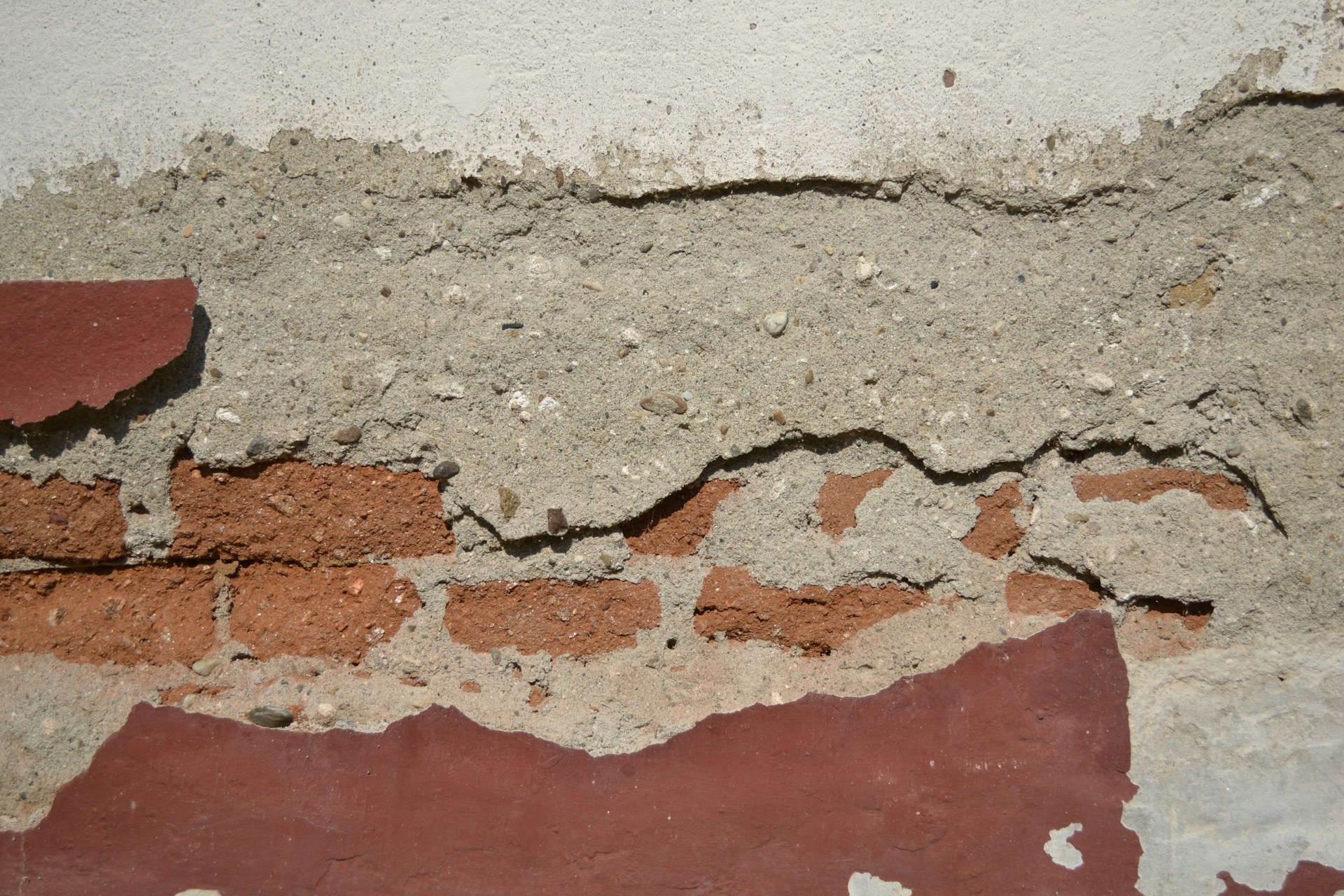
Cardiff sees plenty of rain, and many older terrace sin areas like Roath, Canton and Grangetown have solid walls that take the full force of wet weather. After a heavy shower, put on your welly-boots and go and look at your gutters, downpipes and walls. You might notice the problem is caused by water overspilling or cascading down the brick work. Check if you have any leaks or damp downpipes and gutters and, if you do, then compare these damp areas on your wall to what you see internally. Often minor repairs such as a blocked gutter can be all that’s needed to rectify the issue; however, often the saturation of the wall will need addressing once the roof and guttering have been sorted.
Why These Types of Damp Are Easy to Confuse
The three types can all look the same, and more than one may be present simultaneously. One ground-floor wall could have rising damp at the bottom, condensation in the corners and a leaking downpipe outside, for example. Readings from moisture meters can also be deceptive where salts or textured wall coverings are concerned. Moisture is not always the root of a mould problem, so condensation isn’t always the answer.
Painting over the problem or treating with damp proof paint simply sweeps the problem under the carpet for a while. Before you call in the cure, note what you have noticed, photographs, where and when you notice the dampness in the house and what has been done. Now schedule a Cardiff damp survey to be done on-site so that the reason is picked up on a site inspection rather than thought.
Matching the Right Treatment to the Right Type of Damp
For each kind of damp, you’ll need a different solution:
- Condensation: improved ventilation, extractor fans, more consistent heating and, on occasion, insulation to keep cold walls warmer.
- Rising damp: regrading of ground, introduction of bridging and replacement of the damp proofing course and replastering using the appropriate materials.
- Penetrating damp when you have the wall to either dry out after repairing the gutters, downpipes, pointing, render, sills or chimney flashing.
The wrong treatment could be a waste of money that doesn’t resolve the problems. A damp proof course doesn’t prevent condensation; improved ventilation won’t resolve a cracked gutter. Anyone weighing up estimates for damp proofing Cardiff homes should ensure that each one is supported by a fair assessment and that the reasons for the solution are well explained.
Schedule a Damp Survey to Discover Which Kind It Is
All three types of damp have their own source and each must be treated accordingly. Damp signs on the walls are useful indicators, but you shouldn’t rely on them alone to diagnose your problem, particularly if you’re facing multiple types of damp.
A professional survey will tell you the source of the moisture and what treatment is required. If damp keeps returning, have a survey before you redecorate or pay for treatment. The survey will point to the right source so that your money is used to fix the right problem.