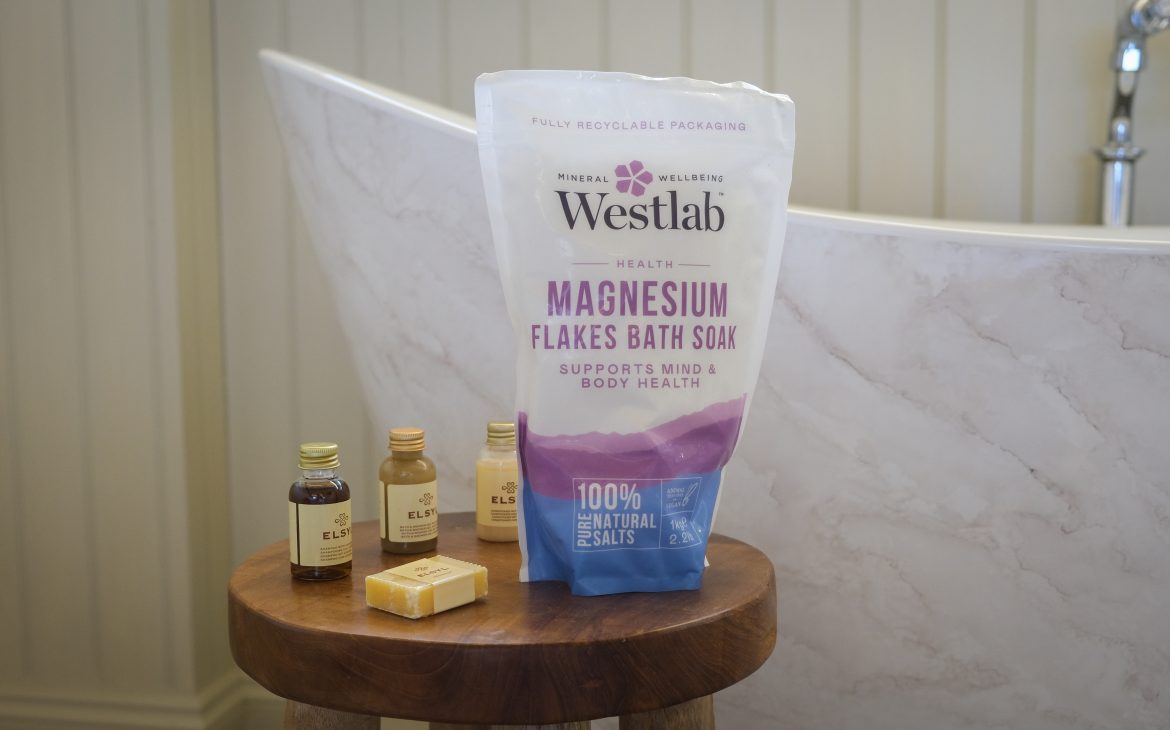
Soothe, Relax, and Heal: Westlab’s Magnesium Bath Soak for Endometriosis Relief
Harnessing the Power of Heat Therapy and Magnesium to Ease Endometriosis Symptoms
Endometriosis is a common yet often misunderstood condition that affects 1 in 10 individuals worldwide. Characterised by the growth of tissue similar to the lining of the uterus outside the uterus itself, endometriosis can bring about excruciating pain, inflammation, and discomfort. While medical treatments and surgeries are often pursued, many individuals are turning to alternative methods to find relief.
One such approach gaining popularity is heat therapy, coupled with the use of specialty bath salts enriched with magnesium, like Westlab’s Magnesium Bath Soak.
Understanding Endometriosis
Endometriosis isn’t just a physical ailment; it can take a toll on emotional well-being as well. The condition’s hallmark symptom is severe pain, which can range from menstrual cramps to chronic pain that affects daily life. Additionally, endometriosis can lead to inflammation, muscle tension, and even anxiety or depression due to the constant discomfort.
The Power of Heat Therapy
Heat therapy, a centuries-old natural remedy, has shown promising results in alleviating endometriosis symptoms. Applying heat to the lower abdomen helps to relax muscles, ease tension, and reduce pain. Heat therapy also improves blood circulation, which can aid in reducing inflammation and promoting the body’s natural healing processes.

Bath Salts and Magnesium: A Soothing Combination
Bath salts have long been revered for their potential therapeutic benefits, and when combined with magnesium, they can offer a multifaceted approach to endometriosis relief. Magnesium, an essential mineral, plays a crucial role in muscle relaxation, nerve function, and bone health. Many individuals with endometriosis have reported a magnesium deficiency, which can exacerbate pain and inflammation. Incorporating magnesium-rich bath salts into a heat therapy routine can provide multiple advantages.
Westlab’s Magnesium Bath Soak: Unveiling the Magic
Westlab, a leader in mineral-based bath products, offers a specially formulated Magnesium Bath Soak that is proving to be a beacon of hope for those struggling with endometriosis. This unique blend combines the power of pure magnesium with carefully selected natural minerals to create a bath experience that soothes both the body and mind.
Benefits of Westlab’s Magnesium Bath Soak
- Muscle Relaxation: The high magnesium content in Westlab’s bath soak aids in relaxing muscles, relieving tension, and easing pain.
- Inflammation Reduction: Magnesium has anti-inflammatory properties that can help alleviate the inflammation associated with endometriosis.
- Stress Relief: A warm bath with magnesium-rich salts can help reduce stress and anxiety, providing a mental escape from the discomfort.
- Improved Sleep: Magnesium promotes relaxation, which can lead to better sleep quality—a crucial factor in managing endometriosis symptoms.
- Natural Healing: The combination of heat therapy and magnesium supports the body’s innate healing mechanisms, allowing individuals to take an active role in their well-being.

Incorporating Westlab’s Magnesium Bath Soak into Your Routine
- Preparation: Draw a warm bath and add a generous amount of Westlab’s Magnesium Bath Soak.
- Relaxation: Immerse yourself in the soothing warmth and let the magnesium-rich salts do their magic.
- Mindfulness: While soaking, practice deep breathing and mindfulness techniques to further enhance the relaxation experience.
- Consistency: Incorporate this ritual into your routine, especially during flare-ups or times of heightened discomfort.
Endometriosis can be an overwhelming journey, but seeking relief through natural methods can provide a sense of empowerment. Heat therapy, when coupled with the restorative benefits of magnesium-rich bath salts like Westlab’s Magnesium Bath Soak, offers a holistic approach to managing the pain and discomfort associated with this condition. By making self-care a priority and exploring alternative options, individuals with endometriosis can pave the way to a more comfortable and fulfilling life. Always consult with a healthcare professional before starting any new regimen.
**
- 1 in 10 women and those assigned female of birth of reproductive age in the UK suffer from endometriosis.1
- 10% of women world wide have endometriosis – that’s 176 million worldwide.1
- The prevalence of endometriosis in women with infertility can be as high as to 30–50%.2
- Endometriosis is the second most common gynaecological condition in the UK.3
- Endometriosis affects 1.5 million women and those assigned female at birth, a similar number of those affected by diabetes.4
- On average it takes 8 years from onset of symptoms to get a diagnosis.5
- Endometriosis costs the UK economy £8.2bn a year in treatment, loss of work and healthcare costs.6
- The cause of endometriosis is unknown and there is no definite cure.
References for Endometriosis Facts and Figures
1. Rogers PA, D’Hooghe TM, Fazleabas A, et al. Priorities for endometriosis research: recommendations from an international consensus workshop. Reprod Sci 2009;16(4):335-46.
2. Meuleman C, Vandenabeele B, Fieuws S, Spiessens C, Timmerman D, D’Hooghe T. High prevalence of endometriosis in infertile women with normal ovulation and normospermic partners. Fertil Steril 2009;92(1):68-74.
3. University College London Hospitals. General information about Endometriosis. Accessed February 2014.
4. Diabetes UK: Diabetes prevalence 2012. (April 2012). Diabetes affects around 2.9 million people, of which slightly less than half of this are women.
5. Endometriosis in the UK: Time for Change – APPG on Endometriosis Inquiry Report 2020
A total 2890 women with endometriosis took part in a public awareness survey for Endometriosis UK. The average time given for diagnosis time from symptoms to diagnosis was 7.5 years. A similar finding of 7.4 years was found in:
Arruda MS, Petta CA, Abrão MS, Benetti‐Pinto CL. Time elapsed from onset of symptoms to diagnosis of endometriosis in a cohort study of Brazilian women. Hum Reprod 2003;18(4):756-759.
6. Simoens S, Dunselman G, Dirksen C, et al. The burden of endometriosis: costs and quality of life of women with endometriosis and treated in referral centres. Hum Reprod 2012;27(5):1292-9.
As a charity, Endometriosis UK relies on support from people like you. If you found this page helpful please consider making a donation. Thank you.