
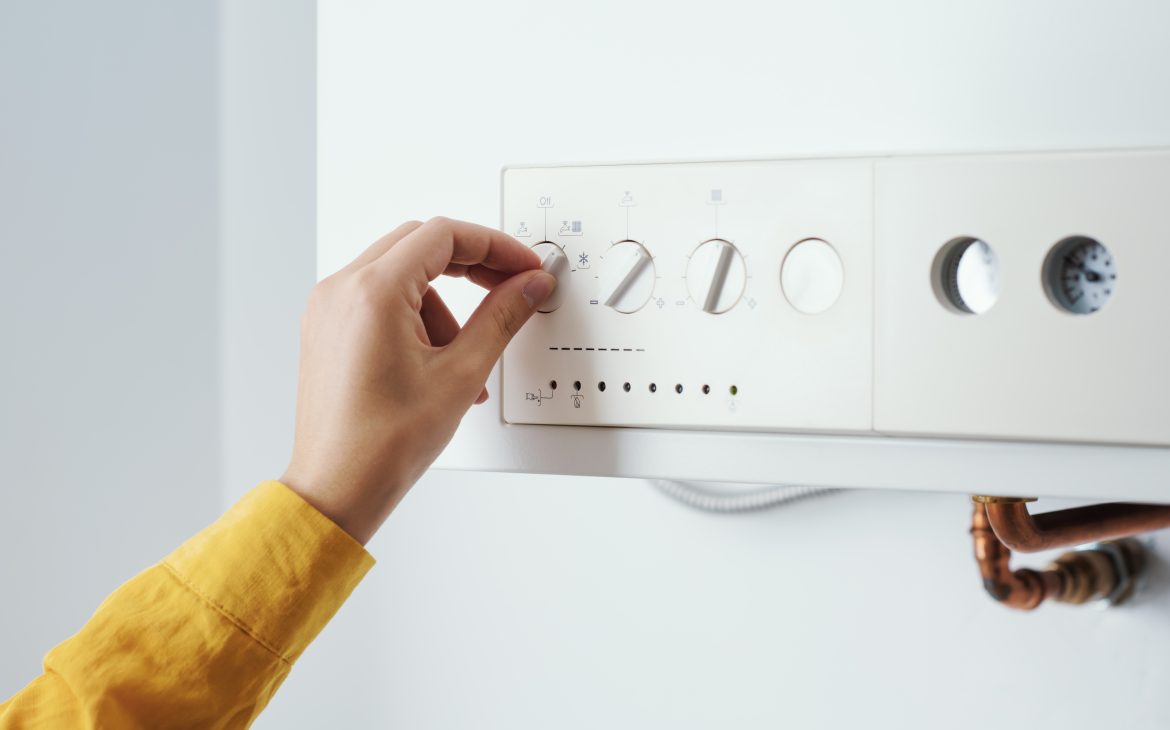
Boiler Basics: A New Homeowner’s Guide to Picking the Right Unit
Moving into a new home or perhaps refurbishing your current one can come with a plethora of decisions to be made. One of the most vital is the choice of a boiler. In the UK, where cold months demand reliable and efficient home heating, having the right boiler isn’t just a luxury – it’s a necessity.
For those unfamiliar, a boiler is a device that heats water for domestic purposes, such as central heating or hot water supply. Making the correct choice in the boiler can save you significant money in the long run, not just on the purchase price, but also on running costs. To assist you in this crucial decision, let’s explore some basics of boilers and provide guidance on how to pick the right unit for your home.
Types of Boilers
1. Combi (or Combination) Boilers: These are perhaps the most common boiler types in modern UK homes. They’re compact, do not require a separate hot water storage tank, and deliver hot water directly to your taps or radiators. This immediate water heating on demand means you don’t waste energy heating up a whole tank.
2. System Boilers: Unlike combi boilers, system boilers need a separate cylinder to store hot water, but the major components for heating are built into the boiler unit itself. They are more suited for homes with multiple bathrooms.
3. Regular (or Conventional) Boilers: Also known as heat-only boilers, these are typically for homes that have a traditional heating and hot water system linked to a separate hot water cylinder. They also need a cold-water storage tank, usually in the loft.
Size Matters
When discussing boiler size, it’s not necessarily about physical dimensions (though that can be a factor if space is tight), but rather the boiler’s capability to produce hot water. Generally speaking, the number of rooms, bathrooms, and overall size of your home will dictate the boiler size you need.
Larger homes with several bathrooms and a higher demand for hot water will need a boiler with greater capacity. However, it’s vital not to overestimate your needs, as getting a boiler that’s too big can be inefficient and costly in terms of energy consumption.
Efficiency is Key
With the increasing emphasis on sustainability and saving on energy bills, boiler efficiency is paramount. Modern boilers are considerably more efficient than older models due to technological advancements and stricter regulations. When hunting for a new boiler, look for the Energy Saving Trust endorsement or ratings on efficiency. iHeat, for instance, offers a range of boilers that balance affordability with efficiency, making them a favourite among many homeowners.
Consider Fuel Type
The majority of UK homes are connected to the gas grid, making natural gas the most common fuel for boilers. However, there are other options:
Oil Boilers: For homes not connected to the gas grid, oil can be a viable option. It requires storage tanks and can be a bit more expensive than gas, but advances in technology have made them more efficient.
Electric Boilers: These are generally less powerful than gas or oil boilers but can be suitable for smaller properties or flats. They’re quiet and compact, but electricity rates can make them more costly to run.
Biomass Boilers: These burn organic materials like wood pellets. They’re eco-friendly and can be cheaper than oil or electric boilers, but the initial setup can be more expensive, and you’ll need space for storage.
Installation and Aftercare
A boiler is only as good as its installation. Ensure you hire a qualified professional to install your boiler. In the UK, make sure they are Gas Safe registered for gas boilers or OFTEC registered for oil boilers.
Maintenance is also vital. Regular annual servicing ensures the boiler runs efficiently and safely. An efficient boiler not only keeps your home warm but also reduces your carbon footprint and energy bills.
Final Thoughts
In conclusion, the boiler you choose for your home should be a balance between your budget, home size, and heating needs. Whether you’re leaning towards a popular choice like iHeat or considering other brands, remember to factor in running costs, efficiency, and the potential longevity of the unit. The right choice will ensure warmth and comfort in your home for years to come.


