
A Guide to Budgeting for Double Glazing in a 3 Bed House
Deciding to install double glazing in your home is a significant step towards enhancing comfort, reducing energy bills, and increasing property value. However, navigating the financial aspects can be challenging. This guide aims to demystify the cost of double glazing a 3 bed UK, providing a clear pathway to making an informed investment.
1. Understanding Double Glazing
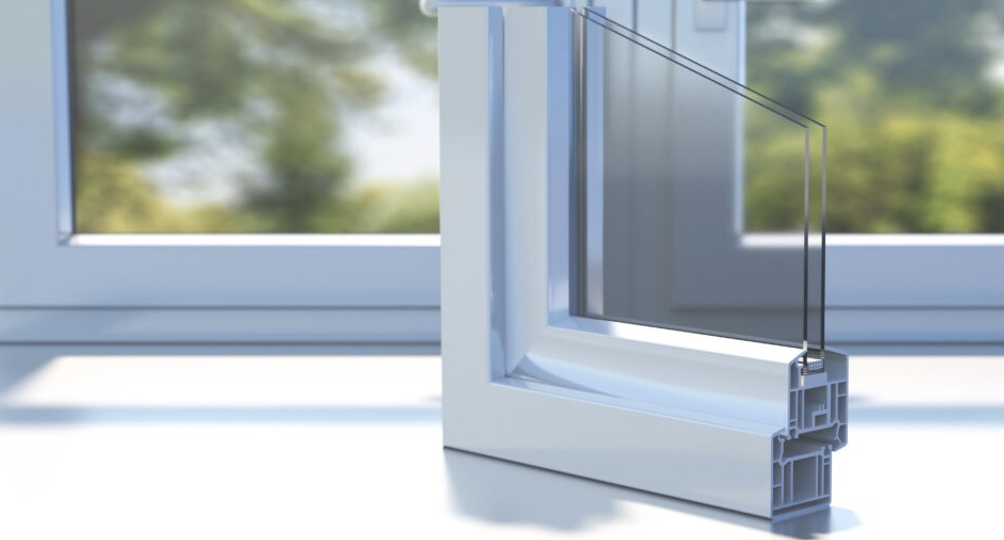
Double glazing is not just a home improvement; it’s an investment in energy efficiency and comfort. A typical double-glazed unit consists of two glass panes separated by a vacuum or gas-filled space. This design significantly reduces heat transfer, making your home a cosy haven during winter and a cool retreat in summer.
The choice of gas, often argon, and the quality of the seal are pivotal in the performance of double-glazed windows. It’s not just about keeping the heat in; double glazing also minimises noise pollution, making it a serene sanctuary from the bustling world outside.
2. Cost of Double-Glazed Windows for a 3 Bedroom House in the UK
You must be wondering how much are double glazed windows? When planning to install double glazed windows in a 3-bedroom house in the UK, understanding the costs involved is crucial. The price can vary significantly based on various factors, including the style, material, and size of the windows, as well as the specific requirements of your property.
Overview of Costs:
- General Price Range: For a 3-bedroom house, the cost of double glazing can range from £3,500 to £7,000. However, this can increase to around £11,050 or more, depending on the complexity and style of the windows, as well as the material used.
- Per Window Cost: On average, you might pay £1,200 per window for a standard uPVC model. This price can escalate for more sophisticated designs or premium materials like wood (£1,500), aluminium (£1,800), or steel (£2,500)
These figures are estimates, and the actual price can vary based on many factors. It’s worth noting that while the initial outlay may seem substantial, the long-term savings in energy bills, increased property value, and enhanced living comfort can make it a worthwhile investment.

3. Factors Influencing the Cost
Several key factors dictate the cost of double glazing a 3 bed house in the UK:
- Material Choice: uPVC, wood, aluminium, and steel are common choices, each with its price tag. Remember, the material affects not just cost but also maintenance, durability, and aesthetics.
- Installation Nuances: Installation costs can add an extra £250 approximately, and complexities like scaffolding for higher windows or intricate designs like bay windows can push the price further.
- Style and Size of Windows: Standard styles like casement windows are more budget-friendly, while sash or tilt and turn windows come with a heftier price. Size matters too; larger windows require more material and labour, influencing the final cost.
- Property Specifics: The property type and the number of windows and doors to be glazed also play a crucial role. Semi-detached houses might have up to 10 windows, while detached houses can go up to 12 or more, significantly affecting the total cost.
4. Long-Term Benefits
Double glazing is not just an immediate solution to temperature regulation in your home; it’s an investment with enduring benefits. Here are some significant long-term advantages:
- Energy Efficiency: Double glazed windows act as a robust barrier against external temperature extremes. By retaining heat during winter and repelling heat in the summer, they significantly reduce reliance on heating and cooling systems, leading to substantial energy savings. The Energy Saving Trust notes that installing A-rated double glazing could save you around £165 a year and 375kg of carbon dioxide for a semi-detached, gas-heated property, with potential savings increasing with higher-rated glazing.
- Noise Reduction: The insulation doesn’t stop at temperature. Double glazed windows significantly reduce noise pollution, offering a quieter and more peaceful home environment, especially beneficial in noisy urban areas.
- Enhanced Security: Double glazed windows are tougher and harder to break compared to their single-glazed counterparts, providing an extra layer of security to your home.
- Reduction in Condensation: The airtight seal between the panes in double glazed windows reduces moisture build-up, preventing condensation that can lead to mould and damp issues, thus contributing to a healthier living environment.
5. Choosing the Right Supplier
Selecting the right supplier is as crucial as deciding to install double glazing. Here’s how to ensure you’re making the best choice:
- Certification and Standards: Opt for a supplier that is compliant with Building Regulations and whose products meet industry standards. Look for certifications like those from the Glass and Glazing Federation (GGF) or installers registered with official competent person schemes.
- Energy Efficiency Ratings: Choose suppliers who offer windows with high energy efficiency ratings. The British Fenestration Rating Council (BFRC) provides a rating scheme from A++ to E, helping you understand the energy-saving potential of different windows.
- Quality of Materials: Assess the quality of the materials used. uPVC frames are maintenance-free and recyclable, while wooden frames have a lower environmental impact but require maintenance. Aluminium or steel frames are durable and recyclable, and composite frames offer a mix of durability and minimal maintenance.
- Customer Service and Aftercare: Good suppliers provide excellent customer service and aftercare. Membership in organisations like the GGF ensures you have access to a free reconciliation service if you’re unhappy with the work.
- Local Regulations and Permissions: Ensure that your supplier is aware of and can navigate local building regulations, especially if you live in a conservation area or a listed building. Your supplier should help you understand if you need a building warrant or special permissions for your new windows.
Conclusion
Investing in double glazing for your 3 bed house is a decision that offers comfort, energy efficiency, and long-term savings. While the upfront cost of double glazing a 3 bed house UK may vary based on several factors, the long-term benefits justify the investment.
It’s crucial to conduct thorough research, compare quotes, and choose a reputable supplier to ensure that you receive the best value for your investment. Remember, this isn’t just a purchase; it’s an investment in your home’s future.
Author bio:
Pankaj Gorsia
Pankaj Gorsia is the Director of CUIN Glass in London. Under his leadership, Crystal Units has continuously grown thanks to its exclusive high-performance insulating glass with suspended film technology in the residential and commercial sectors.


